
Our team is proud to offer on time guarantee and product guarantee to customer satisfaction.
Read MoreContent
Sanitary wipes are pre-moistened, disposable cloths designed to clean, disinfect, or sanitize skin, surfaces, or objects. The word "sanitary" derives from the Latin sanitas, meaning health — so sanitary wipes are fundamentally tools for protecting health through cleanliness. Unlike ordinary dry tissues or reusable cloths, they are saturated with a solution that may include water, cleansing agents, skin-conditioning ingredients, or antimicrobial compounds, depending on their intended use.
In everyday language, the term covers a broad category. A Sanitary Wet Wipe can refer to baby wipes, feminine hygiene wipes, antibacterial hand wipes, surface disinfecting wipes, or personal care wipes — each formulated differently but united by the goal of maintaining hygiene conveniently and effectively.
Not all wipes are "sanitary" in the clinical sense. The distinction matters for choosing the right product:
| Feature | Sanitary Wipes | Regular Wipes |
| Primary Purpose | Hygiene, disinfection, or sanitization | General cleaning or cosmetic use |
| Active Ingredients | Antimicrobials, pH-balanced solutions | Water, mild surfactants |
| Germ Reduction | Often kills 99.9% of common bacteria | Physically removes dirt only |
| Skin Safety Testing | Dermatologically tested | Varies widely |
| Typical Use Cases | Personal care, medical, food prep areas | Makeup removal, general wiping |
The key differentiator is the formulation. Sanitary wipes are engineered to reduce microbial load, whether on skin or on hard surfaces, while standard wipes primarily focus on physical removal of debris.
The term encompasses several distinct product categories, each serving a specific hygienic purpose:
Used directly on skin for freshening up, these include feminine hygiene wipes, intimate area wipes, and body wipes. They are typically pH-balanced to match the skin's natural acidity (around pH 4.5–5.5) to avoid irritation or disrupting the skin's microbiome. They are especially useful when access to water is limited — during travel, outdoor activities, or post-exercise.
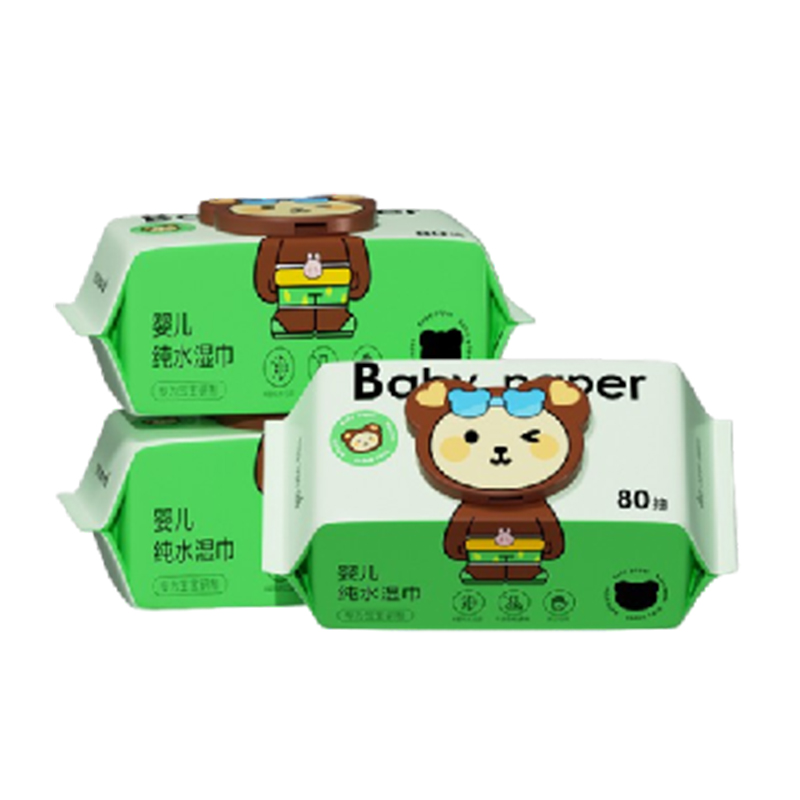
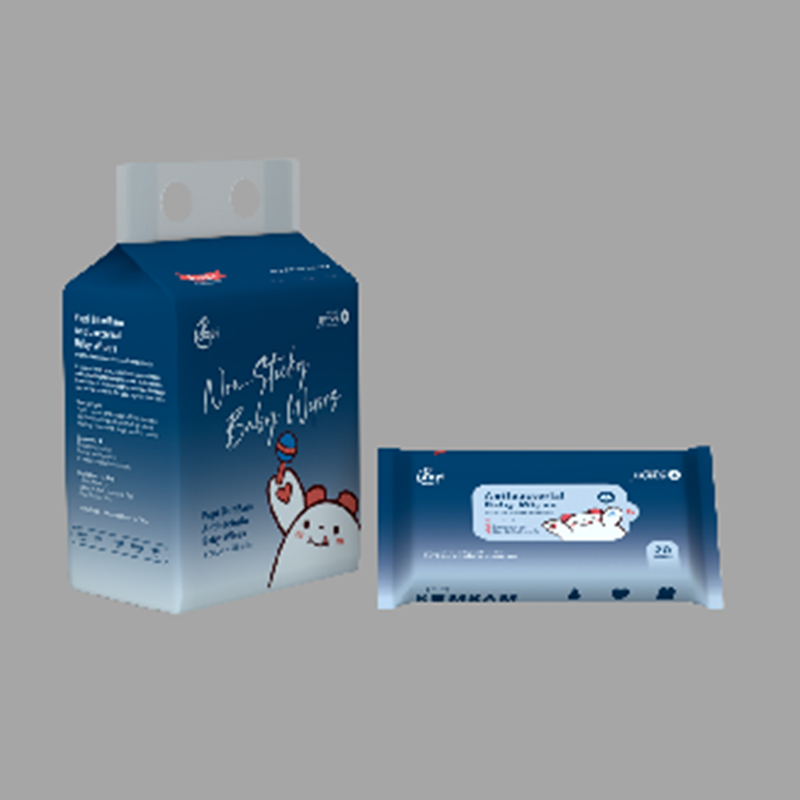
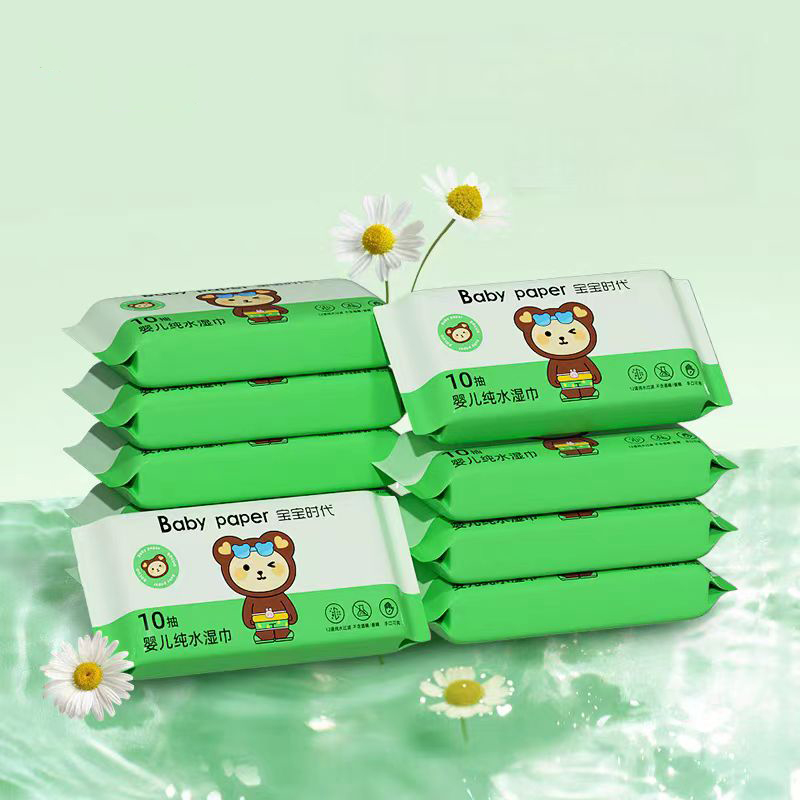
Designed for infants' sensitive skin, baby wipes are among the most regulated sanitary wipes on the market. They must meet strict safety standards, typically containing over 90% water plus mild cleansers and skin conditioners. They are used for diaper changes, face cleaning, and general baby hygiene.
These are formulated to kill bacteria and sometimes viruses on hands when soap and water are unavailable. Many contain benzalkonium chloride or isopropyl alcohol at 60–75% concentration — the threshold recommended by health authorities for effective pathogen reduction. They became especially prominent during and after the COVID-19 pandemic.
Used on hard, non-porous surfaces such as countertops, door handles, toilet seats, and medical equipment. EPA-registered disinfecting wipes must demonstrate at least a 99.9% reduction in specific pathogens to carry a disinfecting claim. They are standard in hospitals, schools, and food service environments.
Sterile wipes used in clinical settings for skin preparation before injections, wound cleaning, or surgical site preparation. These often contain 70% isopropyl alcohol or povidone-iodine and are individually packaged to maintain sterility.
Understanding the formulation helps users make informed choices:
Alcohol-based wipes are more effective against a broader spectrum of pathogens, while alcohol-free versions are gentler and better suited for frequent skin contact, such as baby care or intimate hygiene.
The practical value of sanitary wipes lies in their accessibility and immediate action. Studies on hand hygiene consistently show that reducing hand contamination is one of the most effective ways to prevent the spread of infectious disease. The World Health Organization estimates that improved hand hygiene alone could reduce diarrheal diseases by up to 40% and respiratory infections by up to 20%.
Sanitary wipes serve as a portable, on-demand hygiene solution in situations where handwashing is not possible — on public transport, in offices, during outdoor events, or in healthcare settings. They also play a critical role in caring for individuals with limited mobility, elderly patients, and infants who cannot independently access water-based hygiene.
Key contexts where sanitary wipes provide measurable hygiene benefits include:
Selecting the right sanitary wipe depends on the intended use, skin type, and required level of disinfection:
Wipes are effective when soap and water are unavailable, but hand washing with soap for at least 20 seconds remains the gold standard for hand hygiene. Wipes are best used as a supplement, not a full replacement.
This is incorrect. Surface disinfecting wipes often contain concentrations of active chemicals — such as quaternary ammonium compounds or bleach — that are not safe for skin. Always check the label before use on the body.
Most wipes labeled "flushable" do not break down quickly enough to be safely flushed in standard plumbing systems. Water utilities in multiple countries report that wipes are a leading cause of sewer blockages. Unless specifically confirmed by local municipal guidelines, wipes should be disposed of in a bin.
For surface disinfection, the surface must remain visibly wet for a specified contact time — often 30 seconds to 4 minutes depending on the product — to achieve the stated kill rate. A single quick wipe may clean but not disinfect.
The terms are often used interchangeably, but "sanitary wipes" emphasizes hygiene or disinfection intent, while "wet wipes" is a broader term covering all pre-moistened wipes regardless of purpose.
Only if specifically formulated for facial use. Antibacterial or surface wipes may contain ingredients too harsh for facial skin and should be avoided on the face.
Once opened, wipes can dry out and lose effectiveness within days to weeks if not resealed properly. Always close the packaging tightly after each use and follow the manufacturer's guidance.
Most gentle, fragrance-free personal hygiene wipes are safe during pregnancy, but it is advisable to check with a healthcare provider and avoid wipes containing alcohol, strong preservatives, or synthetic fragrances.
Yes. Most have a shelf life of 2–3 years unopened. After expiry, preservatives may degrade, reducing effectiveness and potentially increasing the risk of microbial contamination within the pack.
Alcohol-based wipes (≥60% alcohol) and certain EPA-registered disinfecting wipes can inactivate many common viruses, including influenza and coronaviruses, when used correctly with adequate contact time.



 English
 日本語
日本語 русский
 Español
 عربى
عربى