
Our team is proud to offer on time guarantee and product guarantee to customer satisfaction.
Read More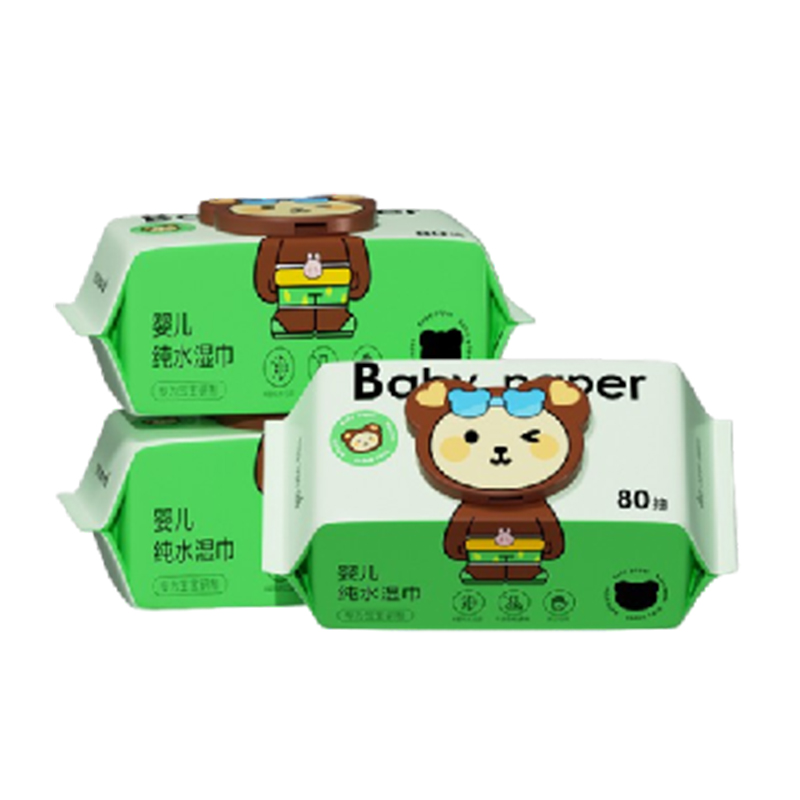
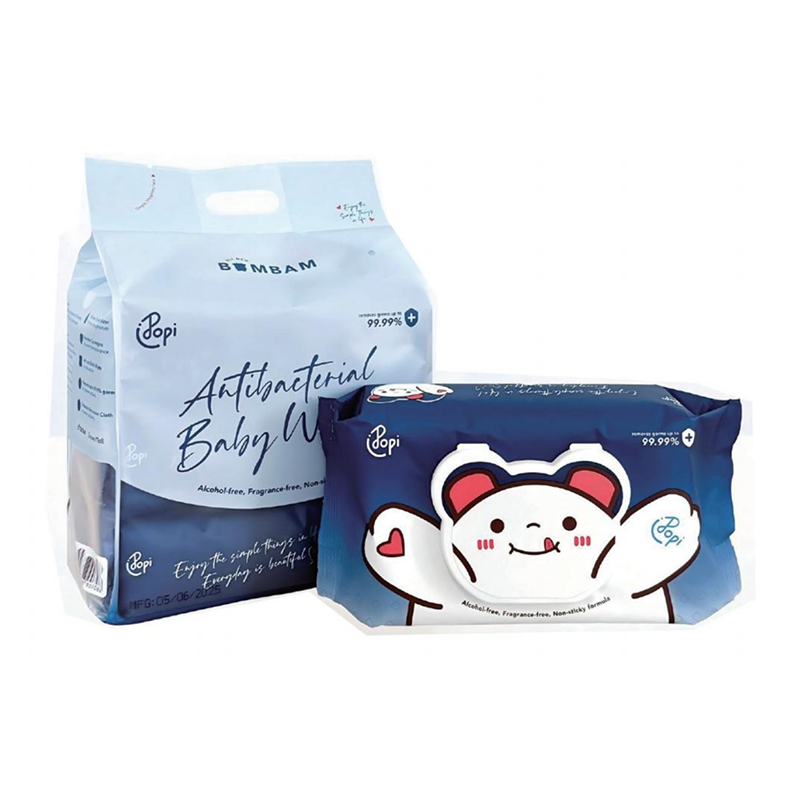
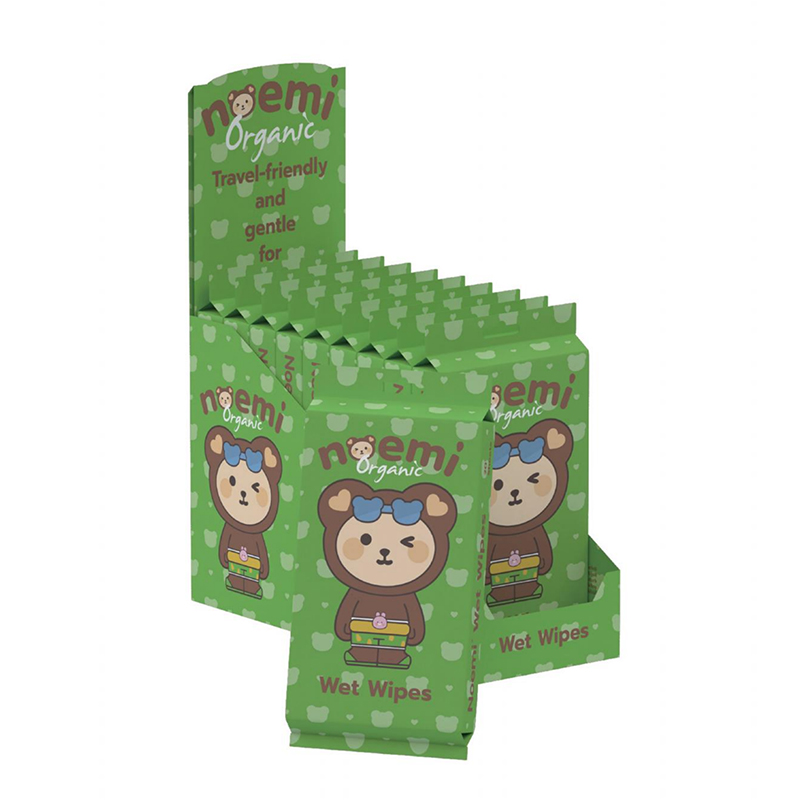
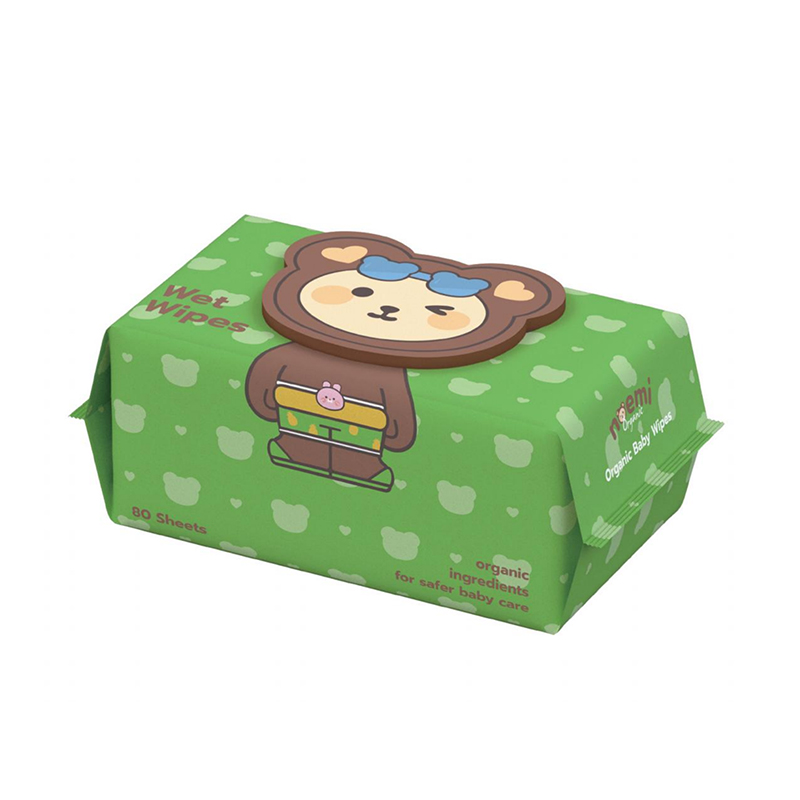
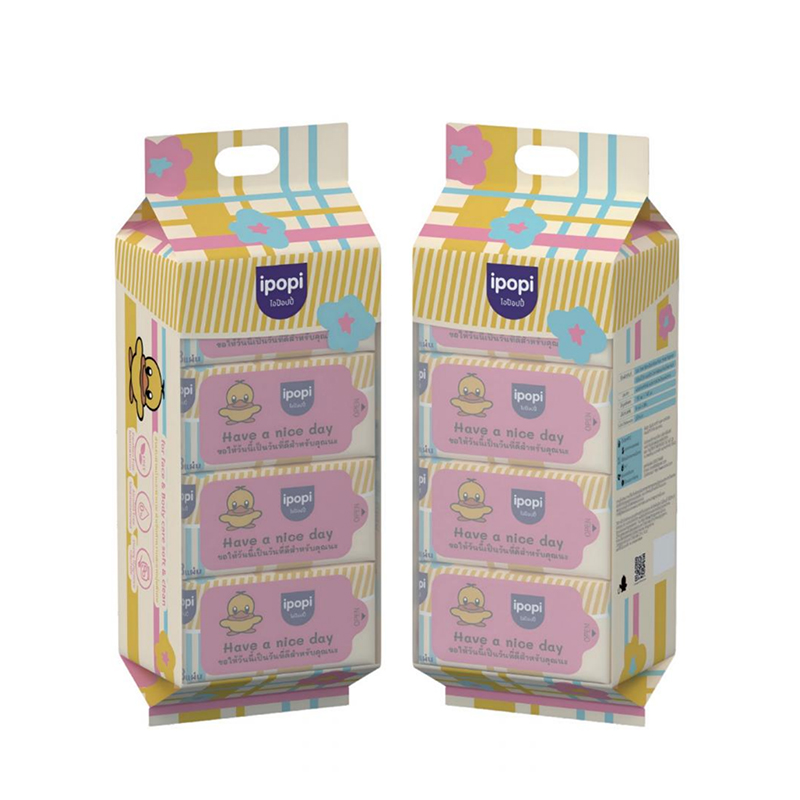
Every day you dry your face on a towel that has been damp for hours, sharing whatever bacteria the last user left behind. Public health researchers ...
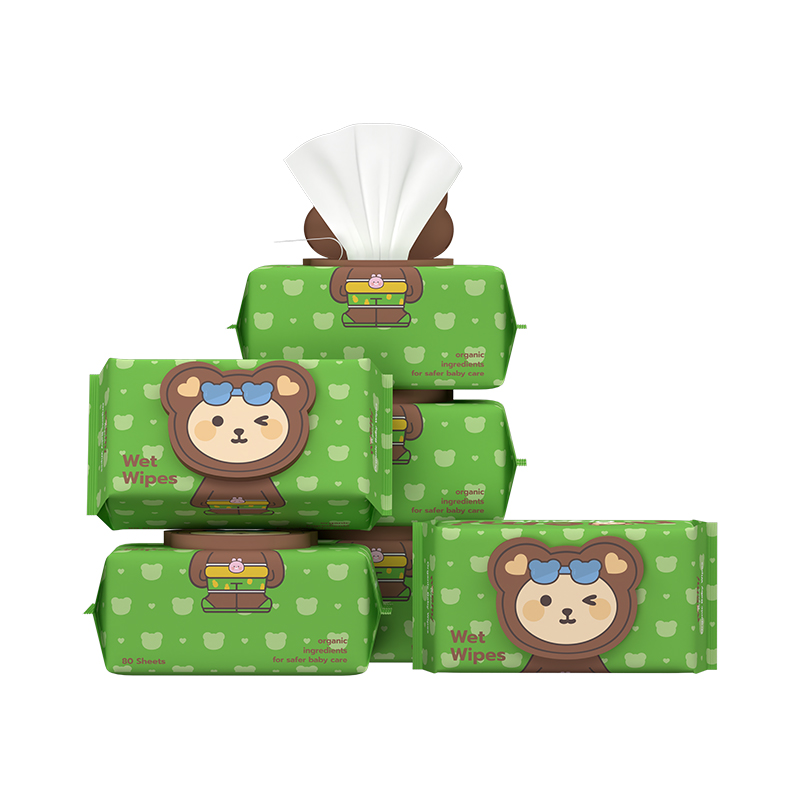
View MoreWhen a buyer opens a quotation for baby wipes, the first line usually says "pure water wipes, 80 sheets, 150 x 200 mm." The line says nothing about ...
View MoreAre Wet Wipes Better Than Toilet Paper? The Direct Answer For cleaning effectiveness alone, wet wipes are generally better than dry toilet paper. Moi...
View MoreCan You Bring Wet Wipes on a Plane? The Straight Answer Yes, you can bring wet wipes on a plane in both your carry-on bag and checked luggage. The Tr...
View MoreThe term "large wet wipe" is used broadly across the category, but the actual sheet dimensions vary considerably between products and manufacturers. In practice, large-format wipes typically fall in the 140–150mm × 180–200mm range, distinguishing them from pocket wipes (which run as small as 150×140mm) and from standard personal care wipes that may only reach 120–130mm on the shorter dimension.
Sheet size has direct functional consequences. A larger sheet allows single-pass coverage of a full hand, a baby's lower body, or a significant surface area without folding or reusing the same section of the wipe — which reintroduces contamination. For disinfectant applications, complete surface coverage in one pass is directly tied to efficacy: a wipe that is too small requires multiple overlapping strokes that can spread rather than remove pathogens.
For buyers sourcing a Large Wet Wipe for retail distribution, sheet dimension is one of the first specifications to lock down — because it determines substrate consumption per unit, lotion loading requirements, pack weight, and ultimately the cost-per-wipe calculation that drives pricing decisions. A wipe listed at 150×180mm and one at 150×200mm may appear similar, but the 11% difference in surface area compounds significantly across a high-volume production run. Jingde County Wanfang Articles Commodity Co., Ltd. produces large-format wipes across multiple sheet sizes, allowing buyers to calibrate to their target price tier without compromising on functional coverage.
In large-format wet wipes, substrate composition has more visible consequences than in smaller formats — because a larger sheet is handled more extensively during use, putting greater demands on tensile strength and wet integrity. Three substrate types are most common in this segment.
30% viscose / 70% polyester blends are the category standard for general-purpose and disinfectant large wipes. Viscose contributes softness and absorbency; polyester provides the structural strength that prevents tearing when the wipe is used under friction. This ratio is well suited to high-sheet-count packs (40–80 sheets) where consistent performance across the entire pack is expected.
20% viscose / 80% polyester blends shift the balance toward durability at a modest cost to softness. This composition is used in antibacterial and disinfectant formats where the wipe needs to withstand firm application pressure on hard surfaces or skin without degrading mid-use. The lower viscose content also reduces the substrate's affinity for certain preservative systems, which can improve formula stability over shelf life.
100% polyester is selected for pure water and sensitive-skin formats where lint-free performance and minimal fiber shedding are priorities. Polyester does not release fibers during use the way viscose can, making it the preferred substrate for wipes used on infant skin or around the eyes and face. The tradeoff is lower absorbency — pure water wipes at 100% polyester rely more on mechanical wiping action than on the substrate's ability to hold and release liquid.
GSM selection runs parallel to substrate composition. Large-format wipes in the 45–55gsm range are typical for standard sheet counts (8–20 sheets per pack); higher-count packs (60–80 sheets) often use slightly lower gsm to manage pack weight and material cost while maintaining acceptable wet strength.
Large wet wipe packs are commercially available in a wide sheet count range — from 8-sheet pocket-adjacent formats to 80-sheet high-volume household packs. Each sheet count tier serves a distinct retail channel and consumer use context, and understanding the logic behind each helps buyers configure SKUs that perform well at shelf.
Low-count packs (8–20 sheets) are designed for targeted, on-demand use rather than continuous daily consumption. Disinfectant wipes in 8-sheet packs, for example, are positioned as single-occasion formats — suitable for cleaning a surface, wiping hands after a meal, or personal hygiene on the go. The low sheet count keeps pack weight manageable (typically 45–113g) and enables high carton counts per 40HQ container (3,400–5,500 cartons), which improves freight economics for export-focused distribution.
Mid-count packs (40–60 sheets) are the household staple format. They offer enough sheets for extended use without the pack becoming unwieldy, and the resealable lid has a reasonable number of open-and-close cycles before seal integrity becomes a concern. Pack weights in this range (270–364g) are well suited to standard shelf facing dimensions in supermarkets and pharmacy chains.
High-count packs (80 sheets) are positioned for value-conscious households and institutional buyers. At 500–700g per pack, these require robust bag or tub construction to maintain seal quality across the product's shelf life. The per-wipe cost advantage is the primary purchase driver, and retail placement in club store or bulk grocery formats tends to outperform standard supermarket shelving for this configuration.
For buyers building a multi-SKU range around the Large Wet Wipe format, a three-tier sheet count architecture — low, mid, and high — covers the full range of retail channel requirements without excessive SKU proliferation. Wanfang Paper's manufacturing operations across China and Thailand support this kind of multi-configuration sourcing from a single supplier, with country-of-origin flexibility that is practically relevant for buyers navigating tariff structures in markets such as the United States and Australia.
Flushable wet wipes occupy a specific and regulated corner of the large wipe category. The commercial opportunity is real — consumers who use large wipes for personal hygiene want a disposal method that does not require a separate bin — but the regulatory and technical requirements for a legitimate flushability claim are more demanding than many buyers anticipate.
The substrate used in flushable large wipes is dissolvable wood pulp, not the viscose/polyester nonwovens used in standard wet wipes. Wood pulp breaks down in water under mechanical agitation — the conditions present in a toilet flush and sewer system — within a timeframe that meets dispersibility testing standards. The most widely referenced standards are the INDA/EDANA Fine to Flush guidelines (used in the UK and parts of Europe) and the ISO 30500 series. A product cannot legitimately carry a "flushable" label without test data demonstrating compliance with the applicable standard in its target market.
From a performance standpoint, dissolvable wood pulp wipes have lower wet tensile strength than nonwoven substrates by design — the fiber structure that allows dispersibility also limits the mechanical resistance the sheet can offer during use. This means flushable large wipes are better suited to gentle personal hygiene applications than to scrubbing or disinfectant use cases that require firm substrate handling.
For buyers targeting markets with active wastewater infrastructure concerns — notably the United Kingdom, Australia, and New Zealand, all of which are established export markets for Wanfang Paper — flushability claims require documented test compliance before retail listing. Water utility organizations in these markets actively monitor product claims and have pursued action against brands making unsubstantiated flushable assertions. Confirming substrate dispersibility testing at the factory level before finalizing label copy is a necessary step in the product development process for this segment.



 English
 日本語
日本語 русский
 Español
 عربى
عربى

