
Our team is proud to offer on time guarantee and product guarantee to customer satisfaction.
Read More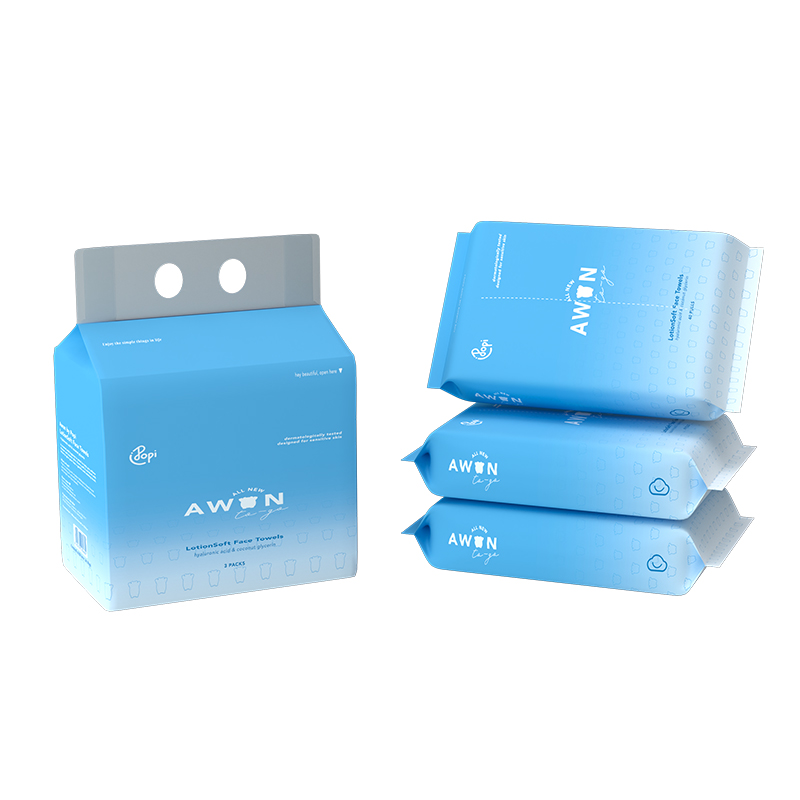
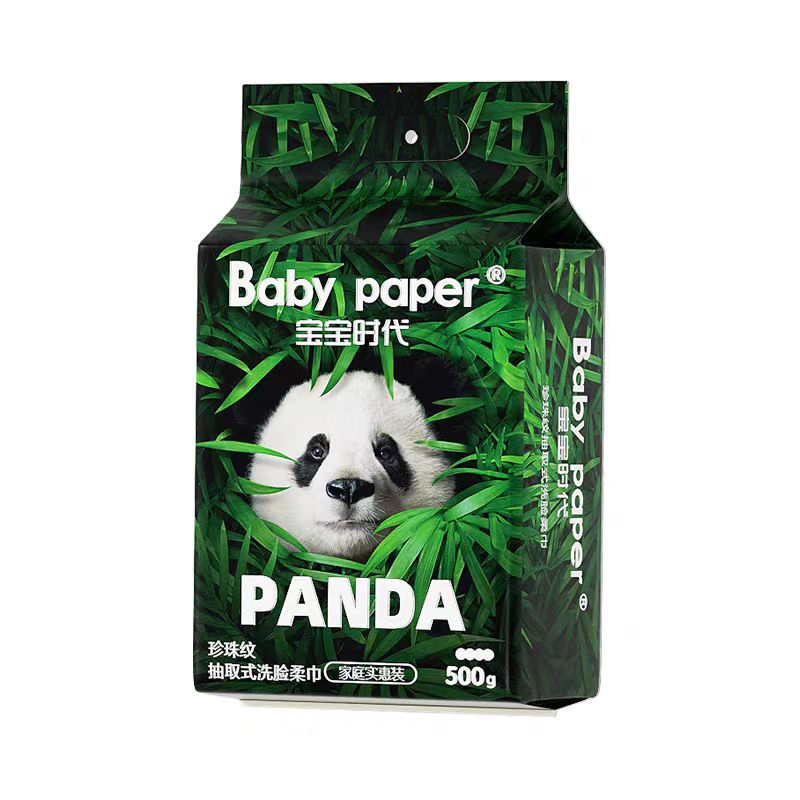
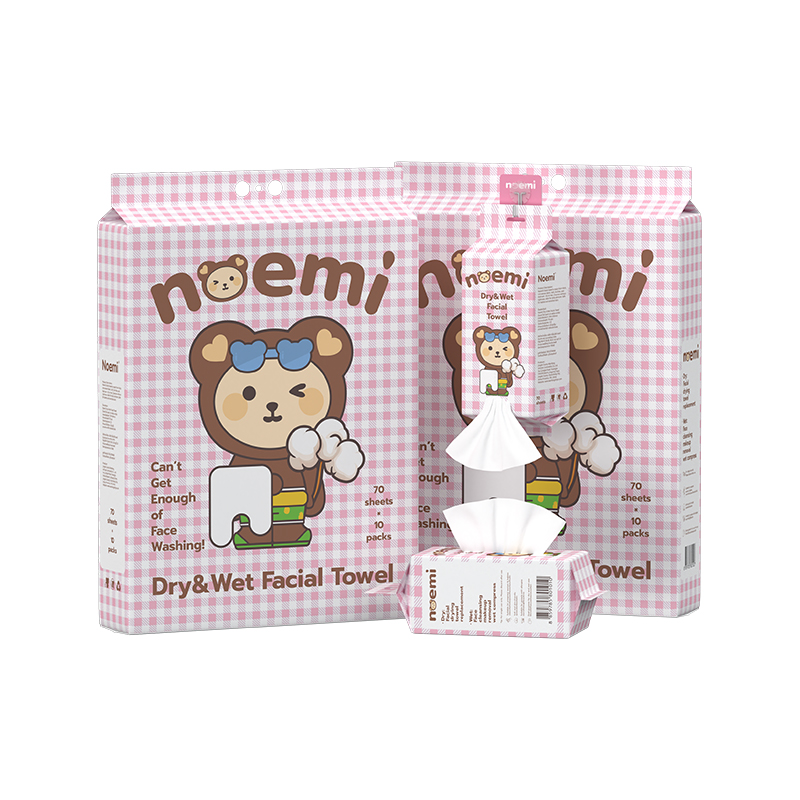
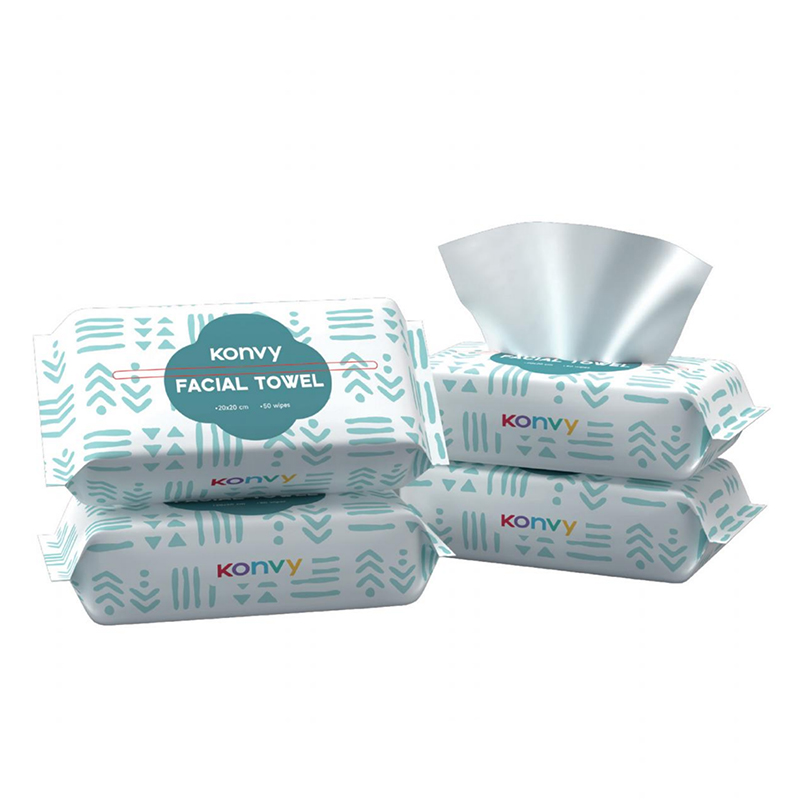
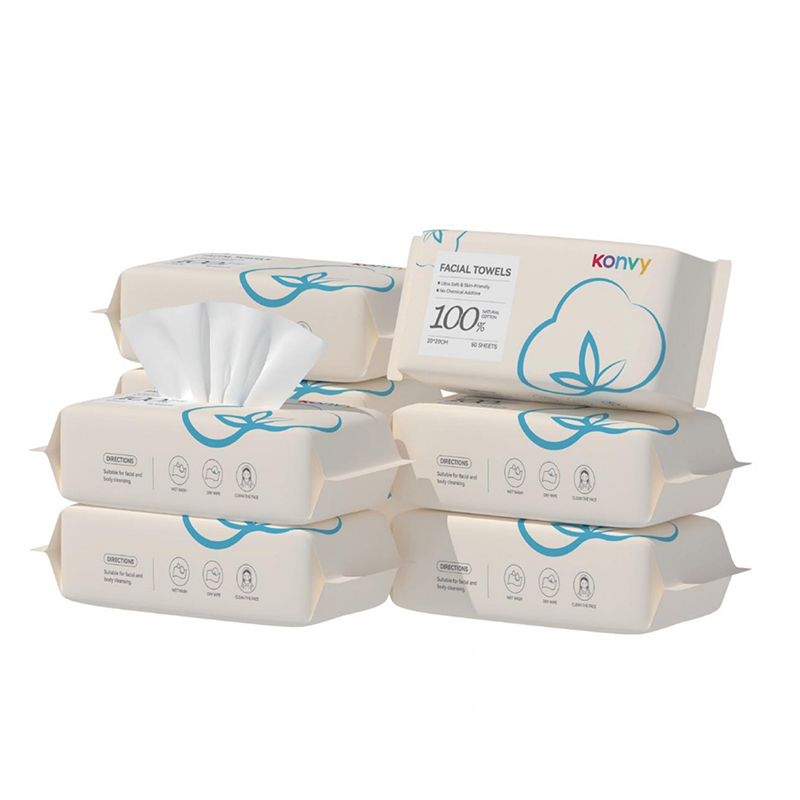
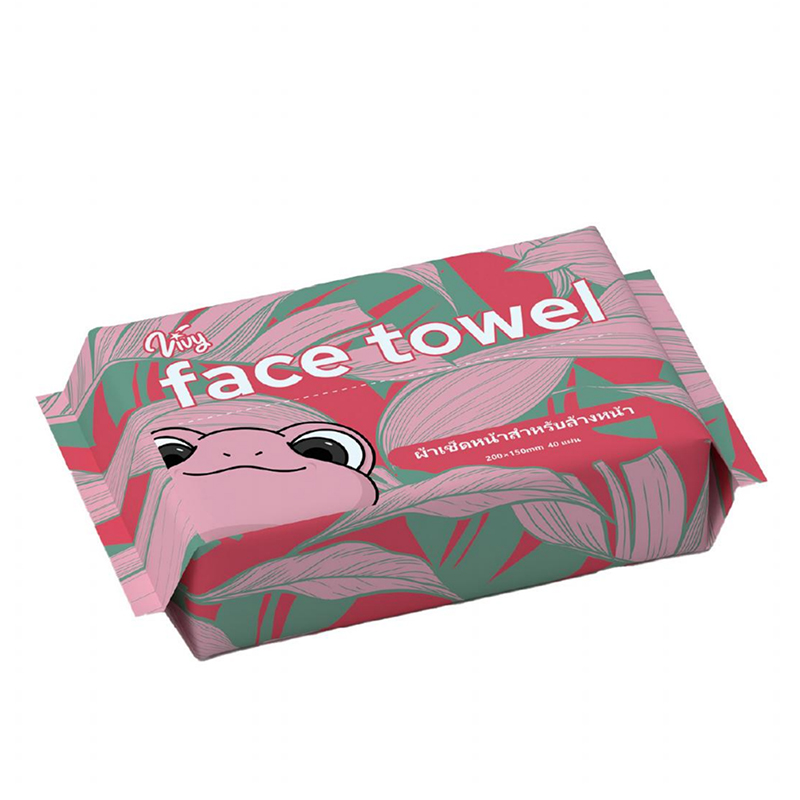
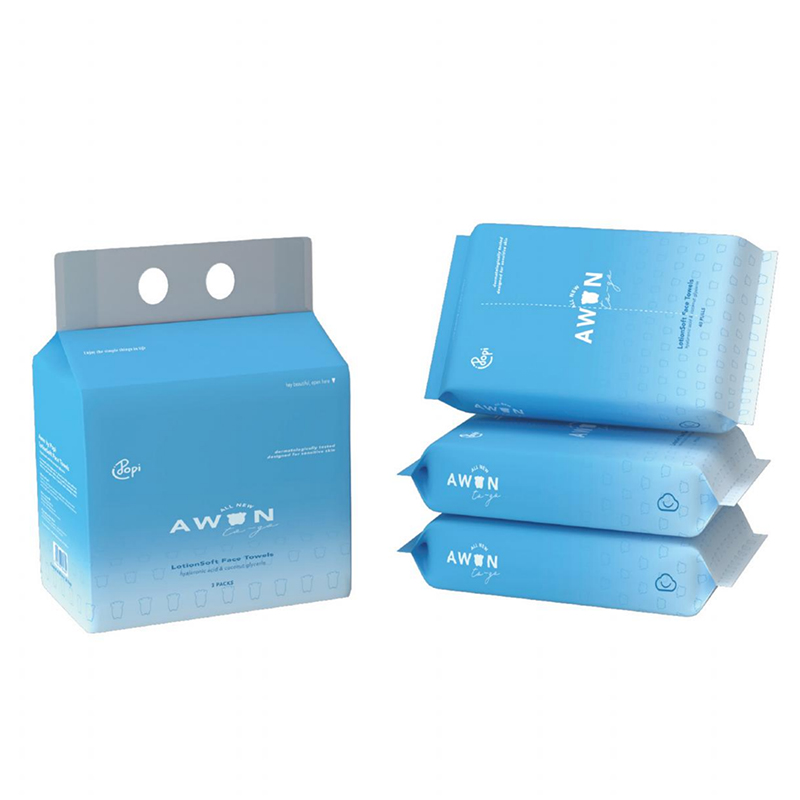
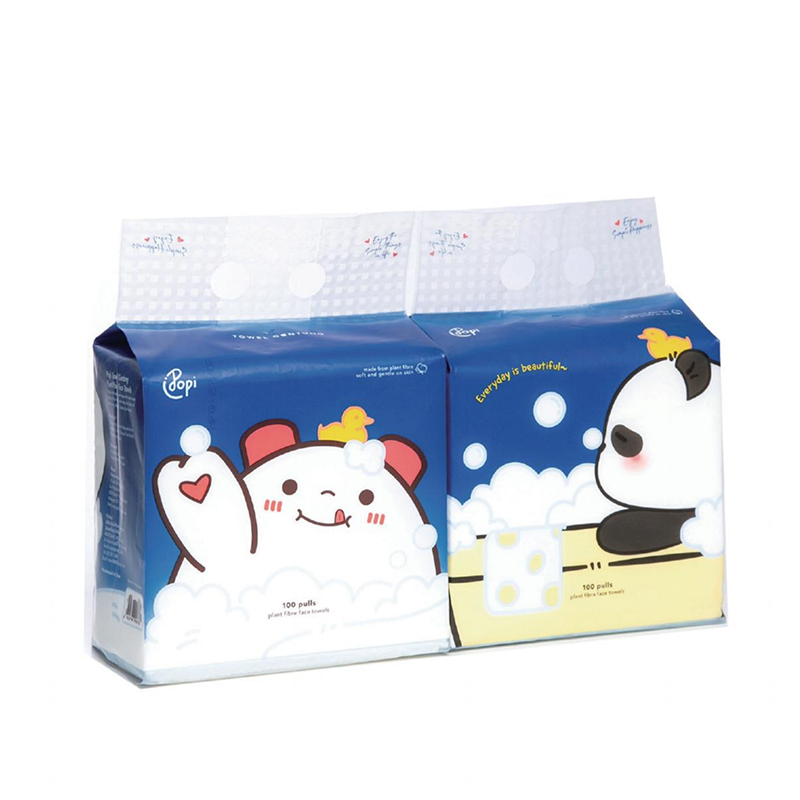
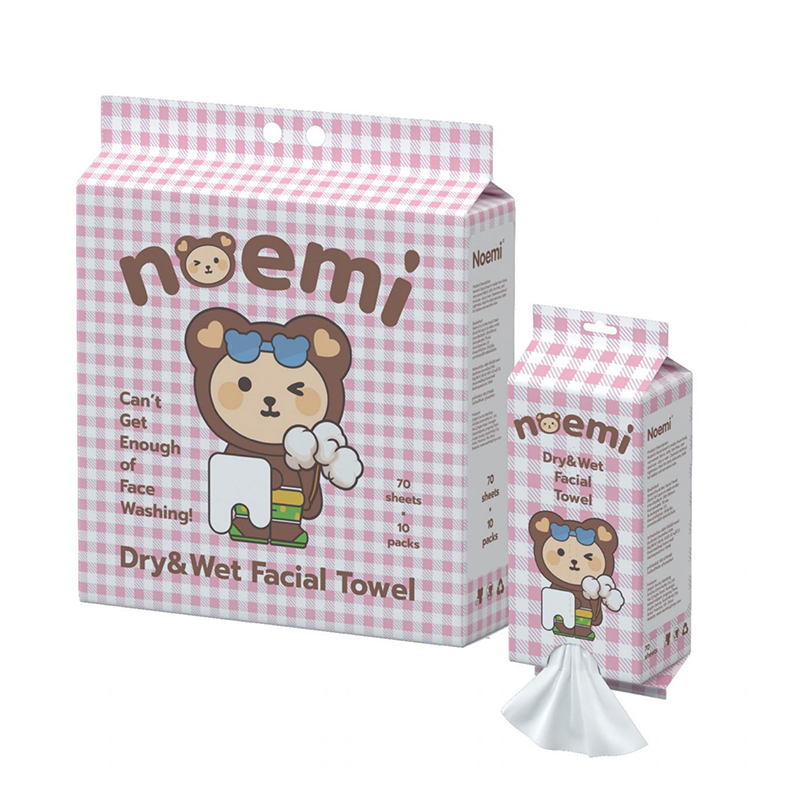
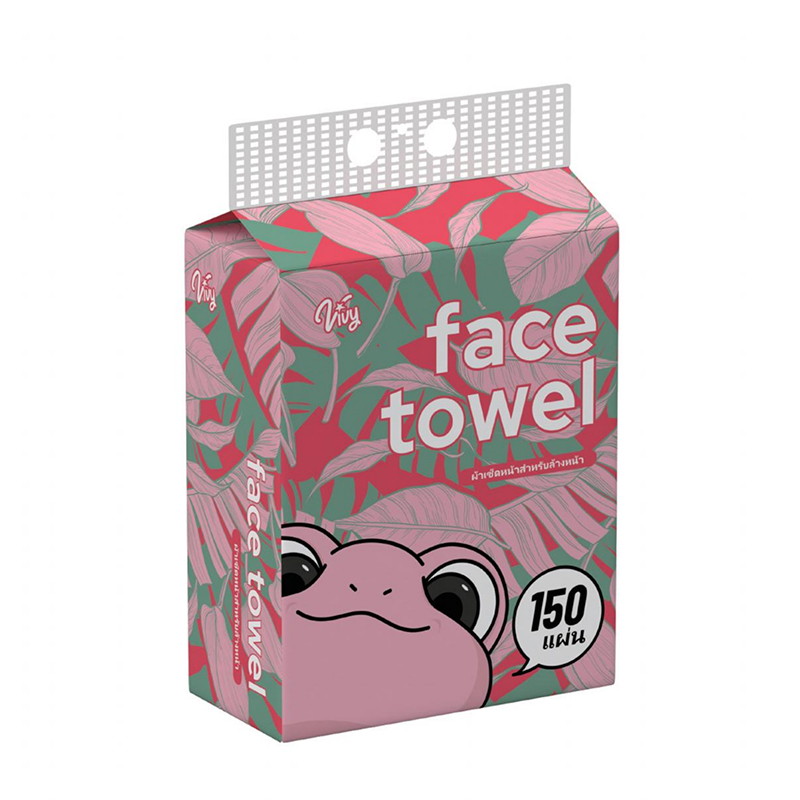
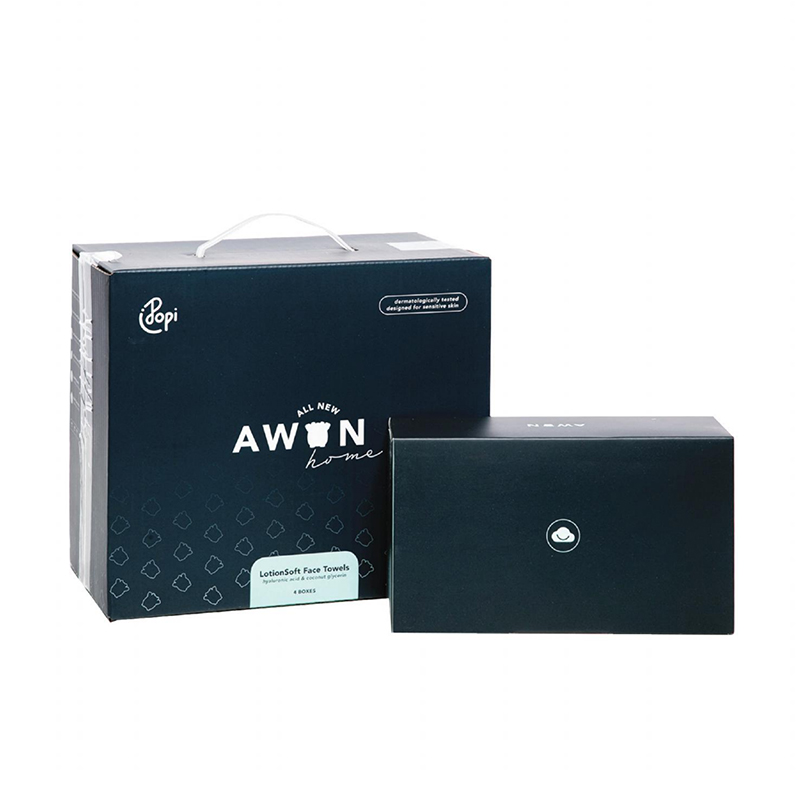

Every day you dry your face on a towel that has been damp for hours, sharing whatever bacteria the last user left behind. Public health researchers ...
View MoreWhen a buyer opens a quotation for baby wipes, the first line usually says "pure water wipes, 80 sheets, 150 x 200 mm." The line says nothing about ...
View MoreAre Wet Wipes Better Than Toilet Paper? The Direct Answer For cleaning effectiveness alone, wet wipes are generally better than dry toilet paper. Moi...
View MoreCan You Bring Wet Wipes on a Plane? The Straight Answer Yes, you can bring wet wipes on a plane in both your carry-on bag and checked luggage. The Tr...
View MoreThe substrate choice in a disposable facial towel determines nearly everything about the product's end-use performance — softness, absorbency, wet strength, and skin compatibility. Two materials dominate the category: 100% plant fiber (typically spunlace nonwoven derived from wood pulp or viscose) and 100% cotton.
Plant fiber nonwovens are the more common choice in mass-market and mid-tier facial towels. The spunlace process entangles fibers with high-pressure water jets, producing a fabric that is soft, lint-free, and consistent in weight. Plant fiber towels typically run at lower gsm values (around 40–50gsm for single-ply formats) and are well suited to light cleansing, toning application, and general face wiping. Their lower raw material cost also supports competitive retail pricing in volume channels.
100% cotton substrates carry a different performance profile. Cotton is naturally more absorbent than synthetic-blend nonwovens, and the fiber structure produces a distinctly softer tactile feel that many consumers associate with premium skincare. Cotton facial towels are better positioned in dermatology-recommended ranges, sensitive skin lines, and beauty retail environments where material provenance is part of the brand story. They are also the substrate most commonly specified in professional skincare and aesthetics settings.
For buyers developing a Disposable Face Towels range, the practical decision often comes down to the target retail environment and price point. Plant fiber works well for everyday household use and high-volume retail; cotton supports premium positioning and professional channel distribution. Jingde County Wanfang Articles Commodity Co., Ltd. produces both substrate types across flat-pack, soft-pack, hanging, and box formats, allowing buyers to build a tiered range from a single supplier relationship.
Disposable facial towels are sold in four primary pack formats, each suited to a different retail channel and consumer use context. Understanding the tradeoffs between formats helps buyers configure SKUs that perform well both on shelf and in use.
Sheet dimensions are also worth considering beyond simple size preference. A 200×200mm sheet covers a full adult face comfortably in a single pass; a 150×200mm sheet is more material-efficient and better suited to targeted wiping. For buyers entering new markets, surveying the sheet dimensions of existing bestsellers in that market provides a useful calibration point before finalizing specifications.
The shift toward disposable single-use face cloths in daily skincare is driven by two converging factors: growing awareness of the bacterial contamination risks associated with reusable washcloths, and the influence of multi-step skincare routines that require a clean, lint-free wiping surface at multiple stages.
Research on reusable bathroom textiles has consistently found high levels of bacterial colonization after relatively few uses, even with regular laundering. A disposable washcloth eliminates this variable entirely — each use starts with a clean, uncontaminated surface. For consumers with acne-prone or sensitized skin, where bacterial transfer from a used cloth can directly worsen skin condition, this is a clinically relevant distinction that dermatologists and estheticians increasingly communicate to clients.
From a skincare routine standpoint, the disposable face cloth has found a specific role in the double-cleanse method — used to remove the second water-based cleanser after an oil cleanser has already been rinsed off. It is also commonly used for applying and removing sheet masks, toning with active ingredients, and performing gentle physical exfoliation when used with a textured nonwoven substrate.
For brands and distributors looking to build category awareness, positioning the Disposable Washcloth within the skincare routine — rather than as a generic paper product — tends to support higher retail price points and stronger repeat purchase rates. The consumer who buys the product as a skincare tool rather than a household commodity is less price-sensitive and more likely to seek out the same product on repurchase. Wanfang Paper's 100,000-level clean production workshop in China ensures that the hygiene credentials of each pack align with the skincare positioning that makes this marketing approach credible.
Disposable facial towels are a category where production environment quality is directly tied to the product's core value proposition. A towel positioned for skincare or sensitive skin use needs to be manufactured in a controlled environment that prevents microbial contamination during production — which is not a universal standard across nonwoven converters.
When evaluating factories, buyers should ask specifically about airborne particulate controls in the converting and packaging area, not just the upstream nonwoven production. The folding, cutting, and packing stages — where the substrate is handled most extensively — are the highest-risk points for contamination introduction.
On minimum order quantities, the disposable facial towel category is more flexible than it may appear. Buyers sourcing for initial market entry or private label trials can often negotiate lower MOQs on existing substrate and packaging configurations, reserving custom development investment for SKUs that have demonstrated sell-through. Factories with both Chinese and offshore production — such as operations split between China and Thailand — can also offer country-of-origin flexibility, which matters for buyers navigating tariff structures in destination markets including the United States and Australia.
Finally, sustainability documentation is an increasingly common requirement in retailer supplier onboarding, particularly in European and North American markets. Factories with a documented path toward reduced carbon emissions provide a supply chain characteristic that retail sustainability teams can incorporate into own-brand product claims — a practical consideration for buyers building ranges in markets where Scope 3 emissions reporting is becoming standard practice.



 English
 日本語
日本語 русский
 Español
 عربى
عربى

