
Our team is proud to offer on time guarantee and product guarantee to customer satisfaction.
Read MoreContent
Disposable face towels are single-use or limited-use cloths designed specifically for cleansing, drying, and caring for facial skin. Unlike standard bathroom towels, they are used once — or a small number of times — and then discarded, eliminating the bacterial buildup that accumulates on reusable terry cloth towels between washes.
Dermatologists have increasingly recommended clean towels for face use as a straightforward way to reduce skin irritation, breakouts, and cross-contamination. A reusable towel left hanging in a humid bathroom can harbor significant bacterial colonies within 24–48 hours, transferring that microbial load back onto freshly cleansed skin with every use. Disposable alternatives eliminate this cycle entirely.
The category spans several distinct product formats:
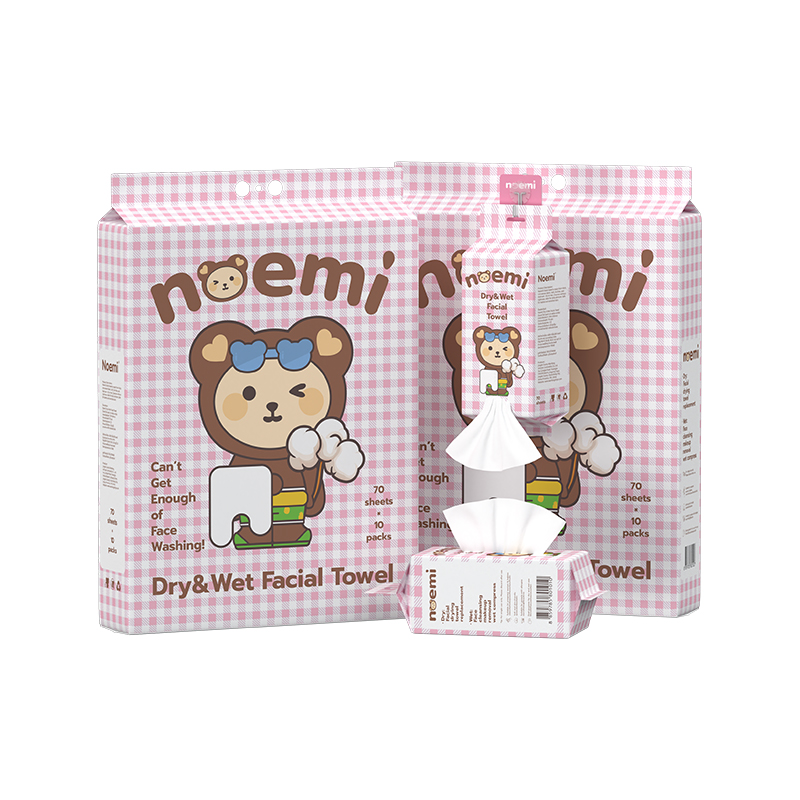
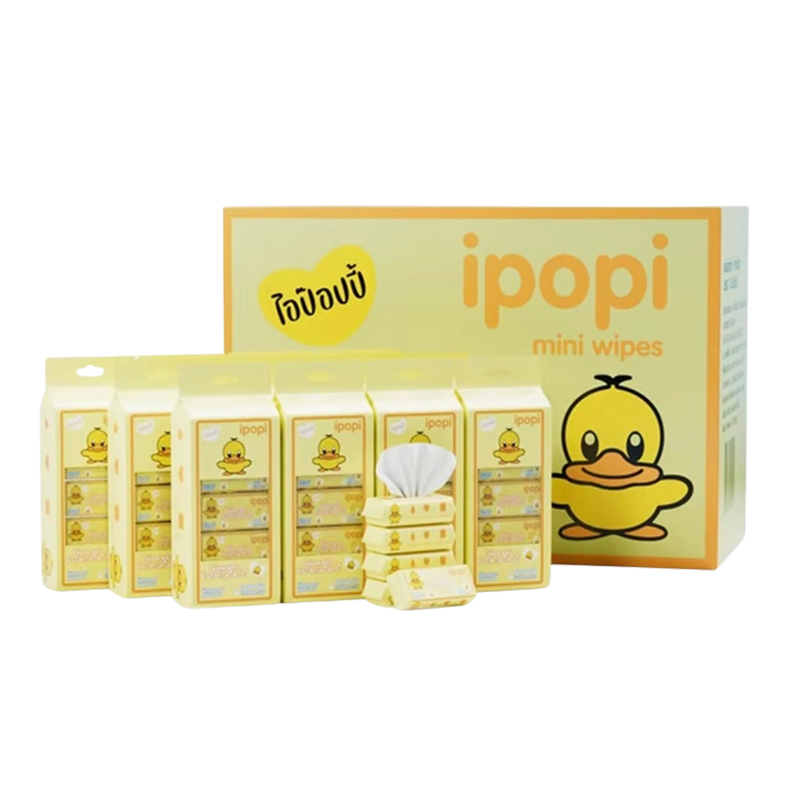
Dry facial towels are sold as compact compressed tablets or flat sheets and are one of the most hygienic formats in the category. The dry format means the product has no moisture content during storage, which significantly reduces the need for preservatives compared to pre-moistened wipes — a relevant consideration for users with sensitive or reactive skin.
When evaluating dry facial towels, the following material and construction factors determine performance:
Most dry facial towels can be used wet for cleansing and then allowed to dry slightly before a second use for drying — making them more economical than single-pass pre-moistened wipes while still maintaining the core hygiene benefit.
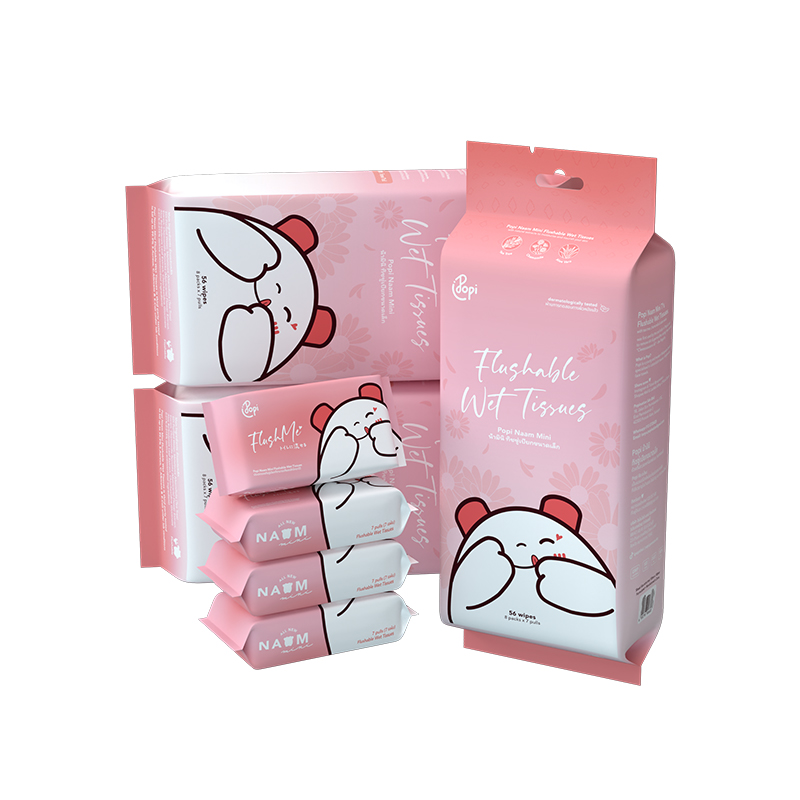
Conventional disposable face towels made from polyester-based spunlace non-woven fabric do not biodegrade under normal environmental conditions, contributing to persistent plastic waste. Biodegradable face towels address this by using plant-derived fibers that break down through composting or natural decomposition within a defined timeframe.
The most common biodegradable materials in this product category are:
When assessing environmental claims, look for third-party certification rather than self-declared labels. TÜV Austria's "OK Biodegradable" mark and the European EN 13432 composting standard are reliable benchmarks. Products marketed as "eco" without certification may still contain synthetic binders or wet-strength agents that inhibit breakdown.
The hand towel vs face towel distinction matters more than most people assume, and using them interchangeably is one of the most common unrecognized sources of facial skin irritation.
| Feature | Hand Towel | Face Towel |
|---|---|---|
| Primary use | Drying hands after washing | Cleansing, drying, and caring for facial skin |
| Texture | Typically thick terry loop, more abrasive | Finer weave or smooth non-woven, gentler on skin |
| Bacteria exposure | High — shared use, contact with multiple surfaces | Low — dedicated use, disposable options eliminate buildup |
| Wash frequency required | Every 3–5 days minimum | Daily for reusable; eliminated for disposable |
| Lint risk | Moderate to high, especially when worn | Low in quality disposable or tightly woven reusable formats |
The practical takeaway is that hand towels — even freshly laundered ones — are too coarse and too contaminated by general hand use to be ideal for facial skin, particularly for users managing acne, rosacea, eczema, or post-treatment sensitivity. A dedicated face towel, whether reusable or disposable, is a low-cost change with a measurable impact on skin hygiene.
Switching to disposable or dedicated face towels delivers full benefit only when the usage technique is right. The following steps apply whether using a dry facial towel, a damp reusable face towel, or a disposable sheet.
For users managing acne or recovering from a skin procedure, dermatologists typically recommend fully disposable drying face towels for the duration of the active breakout or recovery period — the elimination of any reuse removes an entire category of reinfection risk that other interventions cannot address.



 English
 日本語
日本語 русский
 Español
 عربى
عربى