
Our team is proud to offer on time guarantee and product guarantee to customer satisfaction.
Read MoreContent
Disposable face towels—also called disposable face cloths or facial drying towels—are single-use, soft nonwoven or cotton sheets designed to cleanse, dry, and care for facial skin without the hygiene risks that come with reusable terry cloths. In some regions, particularly Australia and the UK, the same product is referred to as a face washer. Whatever the name, the function is the same: a gentle, clean contact surface for the face that is used once and discarded.
The shift away from reusable face towels in skincare routines is driven by a straightforward hygiene concern. A damp reusable towel left in a bathroom accumulates bacteria, mold, and dead skin cells within 24–48 hours of use. Research has shown that bath towels used repeatedly without washing can harbor millions of bacterial colony-forming units per square centimeter—including E. coli and Staphylococcus—transferred directly to facial skin at every use. For anyone managing acne, rosacea, eczema, or post-procedure skin, that level of microbial exposure is counterproductive at best and actively harmful at worst.
Not all disposable face towels are equal. For sensitive skin—or for anyone using active ingredients like retinol, AHAs, or prescription topicals—material composition and manufacturing standards matter significantly.
Thickness (gsm) is a reliable proxy for quality: 60–80 gsm cloths are standard for light cleansing and drying; 100–120 gsm towels offer a more substantial feel comparable to a traditional face cloth and are better suited to makeup removal and thorough cleansing.
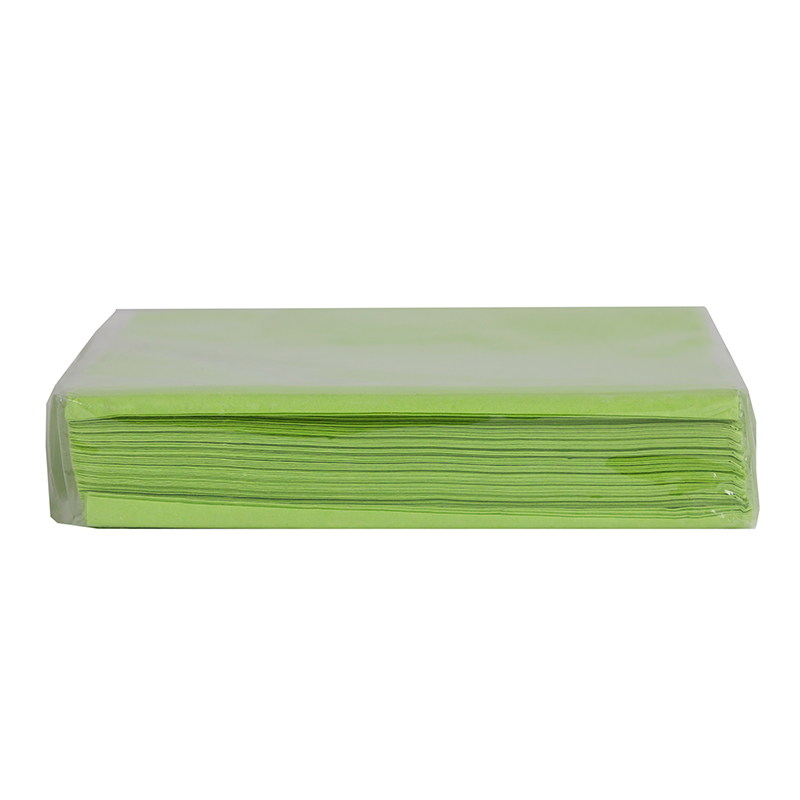
The terms "cleansing face towel" and "facial drying towel" are often used interchangeably in marketing, but they describe different use cases with different product requirements.
Cleansing face towels are used wet—either pre-moistened with micellar water, cleansing solution, or plain water—to remove makeup, sunscreen, and surface impurities. They need sufficient texture to provide light mechanical exfoliation and enough strength to withstand rubbing without tearing. Some are dual-sided: one smooth side for applying cleanser and one textured side for deeper cleansing or exfoliation.
Facial drying towels are used dry, after washing, to pat the face before applying serums and moisturizers. For this application, softness and absorbency are the priority over texture. The key technique—patting rather than rubbing—is particularly important for anyone with sensitive or compromised skin, as rubbing a damp face causes friction damage to a weakened skin barrier.
Many disposable face towels are suitable for both purposes when made from high-quality spunlace or cotton. Buying a versatile product at higher gsm allows one SKU to cover the full routine from cleansing to drying.
In a structured skin care routine, face towels appear at two critical points: during cleansing and immediately after. Both are moments where microbial contamination from a reused cloth directly undermines what the rest of the routine is trying to achieve.
Dermatologists frequently cite towel hygiene as an overlooked variable in acne management. A patient using prescription-strength benzoyl peroxide or clindamycin and then drying with a bacteria-laden terry cloth is working against their own treatment. Single-use towels eliminate this variable entirely. For post-procedure skin—after a chemical peel, microneedling, or laser treatment—the skin barrier is temporarily compromised, and the instruction to use only clean, fresh towels during recovery is standard clinical guidance.
The practical integration is straightforward: keep a roll or stack of disposable face cloths next to the sink in place of the traditional hand towel hook. Use one to cleanse or remove makeup, a second to pat dry if needed, then discard both. Total material used per day: typically 2–4 towels, at a per-unit cost ranging from $0.05 to $0.30 depending on material and brand.
The environmental objection to single-use face towels is legitimate: a daily-use habit generates meaningful waste volume over months and years. Compostable face towels address this by using natural fiber substrates that break down in home or industrial composting conditions, rather than accumulating in landfill.
What to verify when evaluating compostable options:
Compostable face towels typically cost 20–50% more than standard disposable options. For consumers who compost at home, the premium is straightforwardly justified. For those without composting access, recycled-content or sustainably sourced natural fiber towels are a meaningful middle ground—less impactful than virgin synthetic nonwovens even if they go to landfill.
| Type | Best For | Eco Profile | Relative Cost |
|---|---|---|---|
| 100% cotton spunlace | Sensitive skin, daily cleansing and drying | Biodegradable if unbleached; compostable with certification | Mid |
| Bamboo viscose nonwoven | Soft cleansing, light exfoliation | Partially natural; processing impacts vary | Mid |
| Certified compostable cotton/lyocell | Eco-conscious users with composting access | Home compostable; lowest end-of-life impact | High |
| Synthetic spunlace (polyester blend) | High durability, makeup removal | Not biodegradable; landfill only | Low |
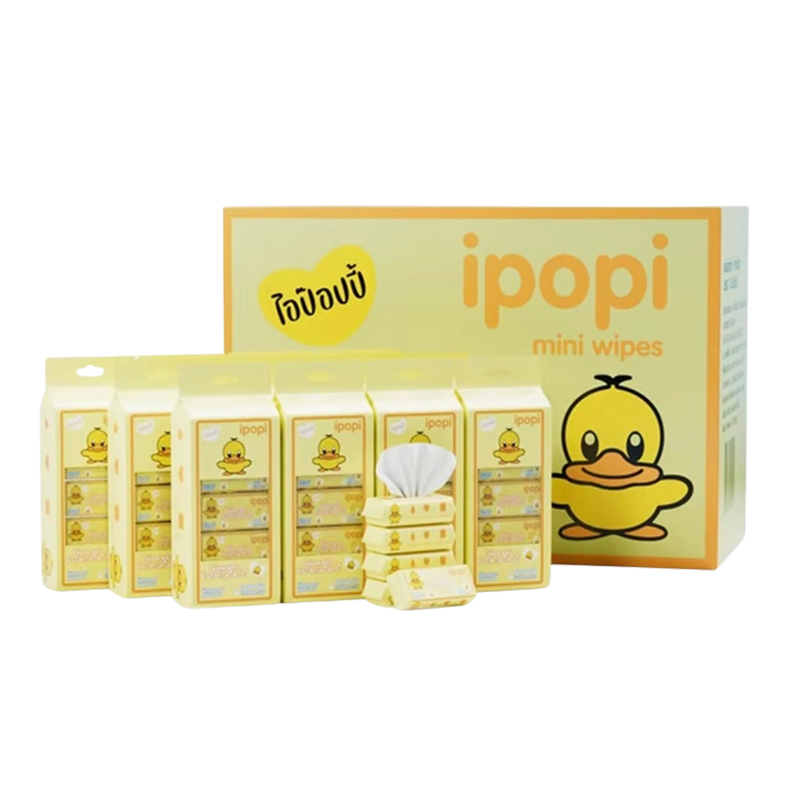
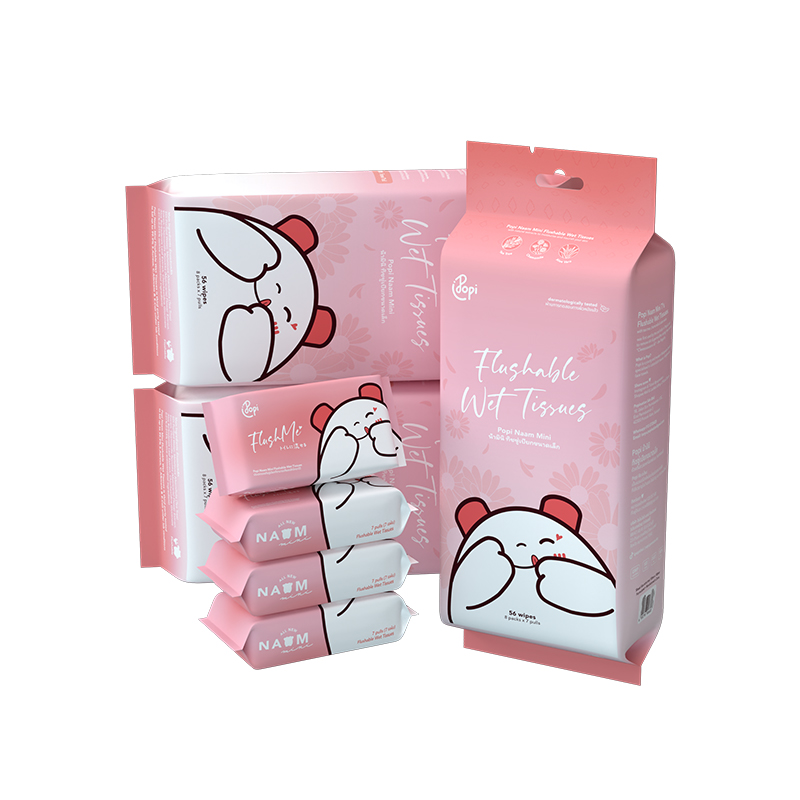
Disposable face towels come in several physical formats, each suited to different use contexts:



 English
 日本語
日本語 русский
 Español
 عربى
عربى