
Our team is proud to offer on time guarantee and product guarantee to customer satisfaction.
Read MoreContent
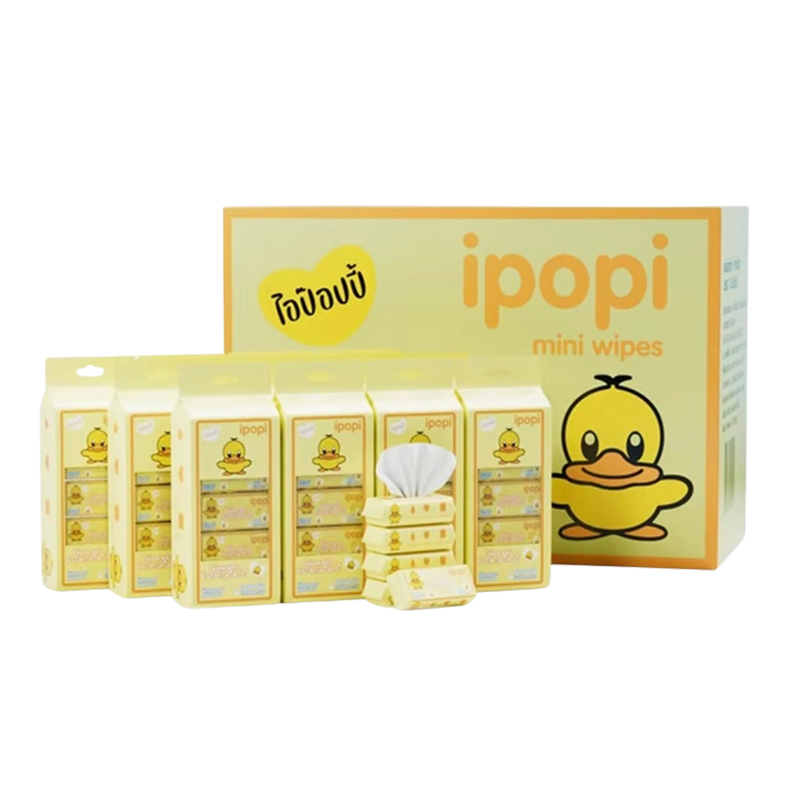
A disposable washcloth is a single-use fabric sheet engineered for personal cleansing, surface sanitizing, or industrial wiping. Unlike reusable towels, these cloths are designed to be discarded after one use, eliminating the risk of bacterial build-up and cross-contamination that accompanies laundered textiles. Most products arrive either dry, ready to be wetted with water or a chosen solution, or pre-moistened with a dermatologically tested cleanser sealed in an airtight pack.
The shift toward disposable hygiene solutions is measurable. The global market for disposable washcloths, including dry wipes and wet wipes in this category, was valued at approximately USD 2.1 billion in 2023 and is projected to grow at a compound annual growth rate of 5.2% through 2030. Hospital-acquired infection protocols are the primary driver, but demand from home care, baby care, and travel segments is accelerating almost as quickly. The core value proposition is consistent: predictable cleanliness without the variables of laundry temperature, detergent residue, or fabric wear.
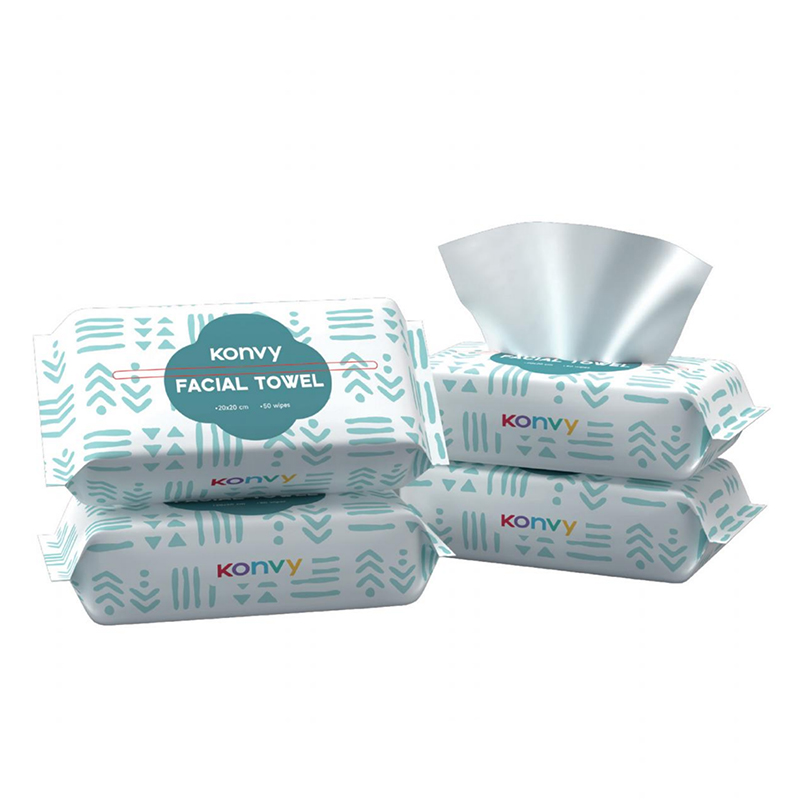
The feel, strength, and environmental profile of a disposable washcloth are determined almost entirely by its nonwoven material composition. The table below summarizes the most common substrates found in medical, baby, and personal care markets.
| Material Type | Typical Composition | Texture and Strength | Biodegradability Profile |
|---|---|---|---|
| Spunlace | Wood pulp + polyester or viscose | Soft, strong when wet, low lint | Moderate (biodegrades if cellulose-dominant) |
| Airlaid | Fluff pulp + binder (often latex-free) | Bulky, high absorbency, moderate strength | High (plant-based fibers break down readily) |
| Cotton (nonwoven) | 100% cotton fibers | Ultra-soft, gentle on skin, moderate wet strength | Fully biodegradable |
| Bamboo viscose | Regenerated cellulose from bamboo | Smooth, strong, naturally antimicrobial claim | Biodegradable under industrial composting |
Spunlace remains the most popular choice for pre-moistened washcloths because it stays intact when saturated and releases minimal lint. For dry, thick cloths used in patient bathing or heavy-duty cleaning, airlaid and cotton-based fabrics dominate. A critical specification is the fabric weight, expressed in grams per square meter (GSM). Most personal-care washcloths fall between 40 and 80 GSM. Below 40 GSM, the sheet risks tearing during vigorous use; above 80 GSM, cost and material waste increase with limited additional benefit for most applications.
A disposable washcloth justifies its cost per sheet by replacing not just a towel but an entire step in a hygiene protocol. The following use cases represent the sectors with the most stringent performance requirements.
With the variety of formats available, selecting a disposable washcloth that will perform reliably in its intended environment requires matching product specifications to use conditions.
The convenience of a disposable washcloth comes with an obvious environmental question: what happens to the waste stream? The industry is addressing this through rapid innovation in plant-based nonwovens and a clear move away from purely synthetic polyester substrates for personal-care products. Between 2020 and 2024, the share of new disposable washcloth launches carrying a certified biodegradable or compostable claim rose from roughly 20% to over 40%, according to market surveillance data from European retail channels.
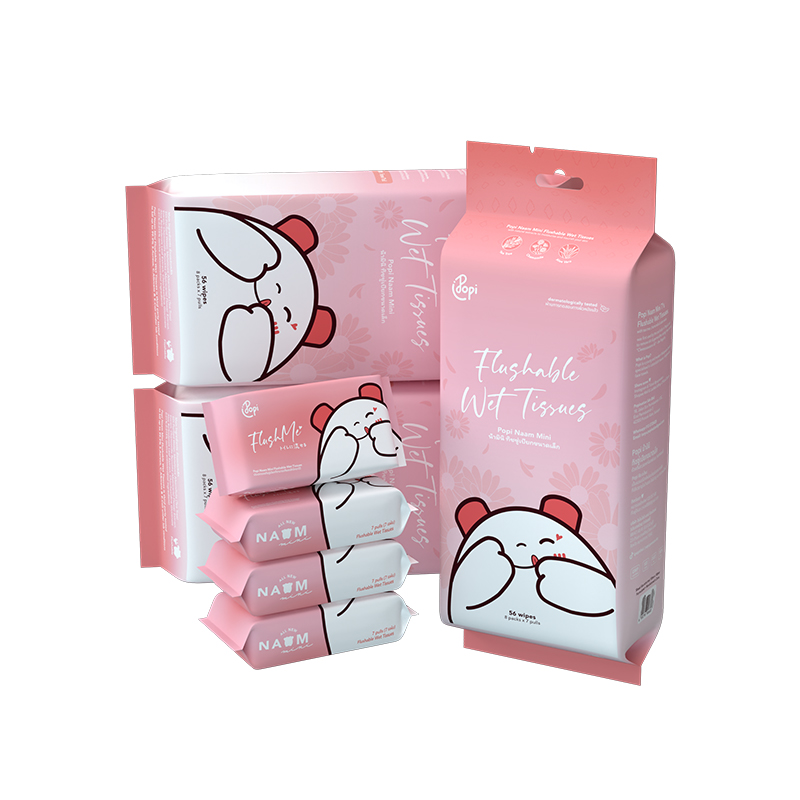
However, a critical disposal rule is widely misunderstood. The term "flushable" is not regulated uniformly, and most disposable washcloths, even those made from natural fibers, should not be flushed into municipal sewage systems. The International Association of the Nonwovens Industry (INDA) flushability guidelines specify that a product must disintegrate in a matter of minutes under agitation, a test that many thick washcloths fail. In practice, flushing only wipes specifically labeled and tested as flushable is safe; all other cloths should be disposed of in a trash receptacle. Home composting of nonwoven cotton or bamboo cloths can be a viable alternative, provided they are free of synthetic binders and cleansing chemicals that would contaminate the compost.
Ultimately, the environmental footprint of a disposable washcloth must be weighed against the water, energy, and detergent used in repeated high-temperature laundering of reusable alternatives. For settings where hygiene is non-negotiable and where laundry logistics are impractical, the single-use model offers a defensible and increasingly sustainable solution.



 English
 日本語
日本語 русский
 Español
 عربى
عربى