
Our team is proud to offer on time guarantee and product guarantee to customer satisfaction.
Read MoreContent
Yes, you can bring wet wipes on a plane in both your carry-on bag and checked luggage. The Transportation Security Administration (TSA) does not classify pre-moistened wipes as liquids, so they are not subject to the 3-1-1 liquids rule that limits other toiletries to containers of 3.4 ounces (100 ml) or less. This applies to standard baby wipes, cleaning wipes, and even many disinfecting wipes. The key is that the wipes are saturated but not dripping — they are considered a solid item rather than a free-flowing liquid.
Whether you are looking to freshen up on a long-haul flight, disinfect a tray table, or handle a diaper change, you can pack a full pack of wet wipes in your personal item. There is no quantity limit in either carry-on or checked baggage. However, a few sensible restrictions apply to certain types of wipes, and knowing them will get you through security without any surprises.
The TSA's 3-1-1 rule governs liquids, gels, and aerosols that can be poured, pumped, sprayed, or spread. A wet wipe is a non-woven fabric that has been impregnated with a cleaning or moisturizing solution. Because the liquid is bound within the substrate and cannot separate out under normal conditions, the entire wipe pack is treated as a solid. This is the same logic that allows you to bring a moistened toothbrush or a damp washcloth.
In practice, this means you can walk through the security checkpoint with a jumbo pack of 100 baby wipes, and it will simply go through the X-ray machine without being flagged. If a TSA officer ever questions the item, the quick explanation — “they are wet wipes, not liquid” — usually resolves it. The only exception arises if the wipe container itself holds a pool of excess fluid at the bottom, which could be treated as a liquid. Keeping the pack sealed or blotting up any free liquid prevents this.
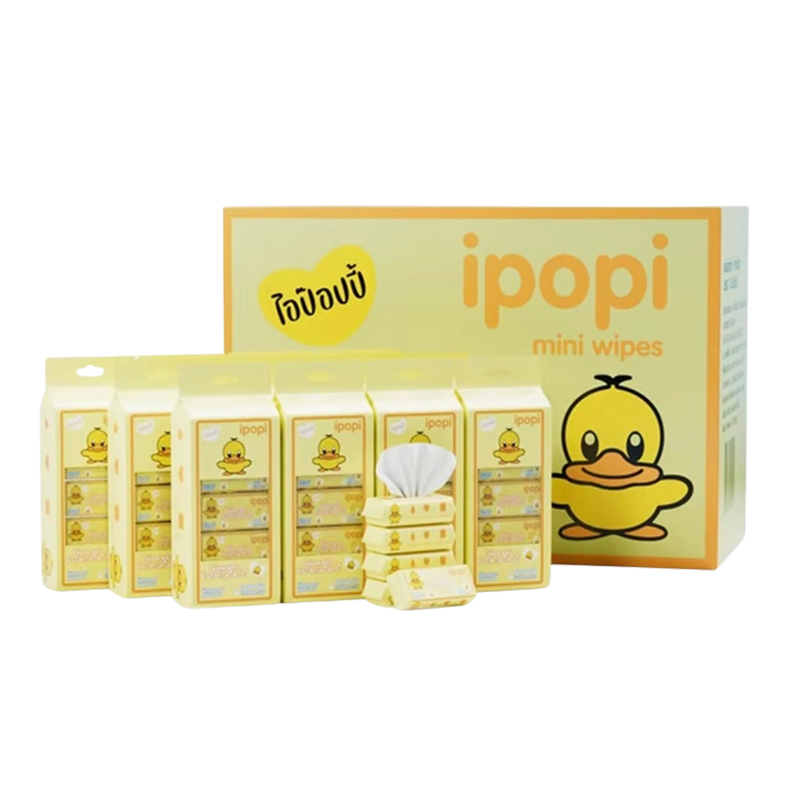
Standard baby wipes, face wipes, and hand wipes are completely unrestricted. You can bring them in any quantity and any pack size. Many parents travel with a full plastic case of baby wipes in their carry-on without issue. These wipes typically contain mild detergents and moisturizers, none of which pose a hazard.
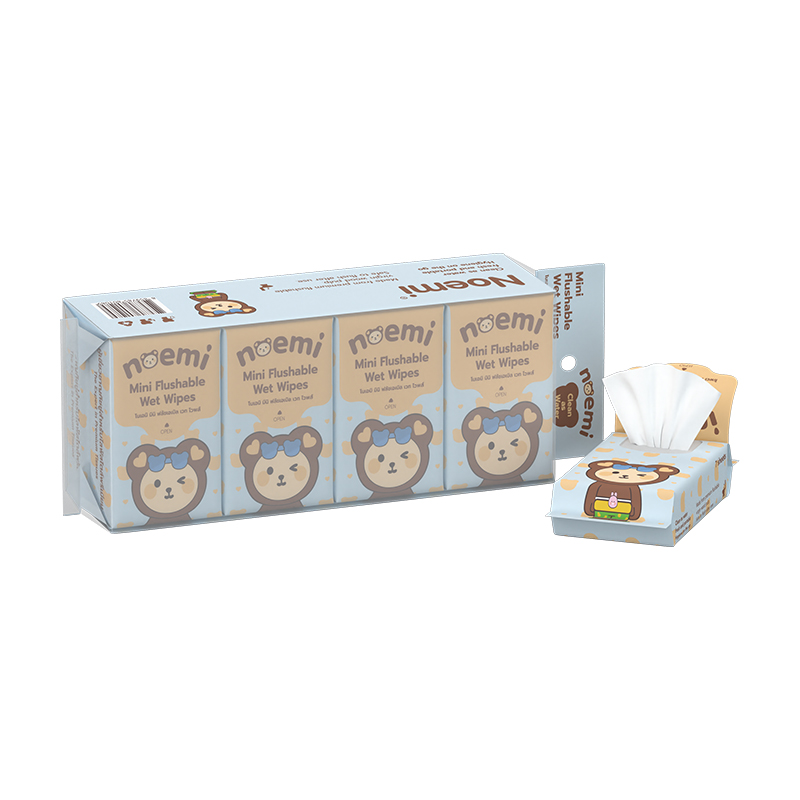
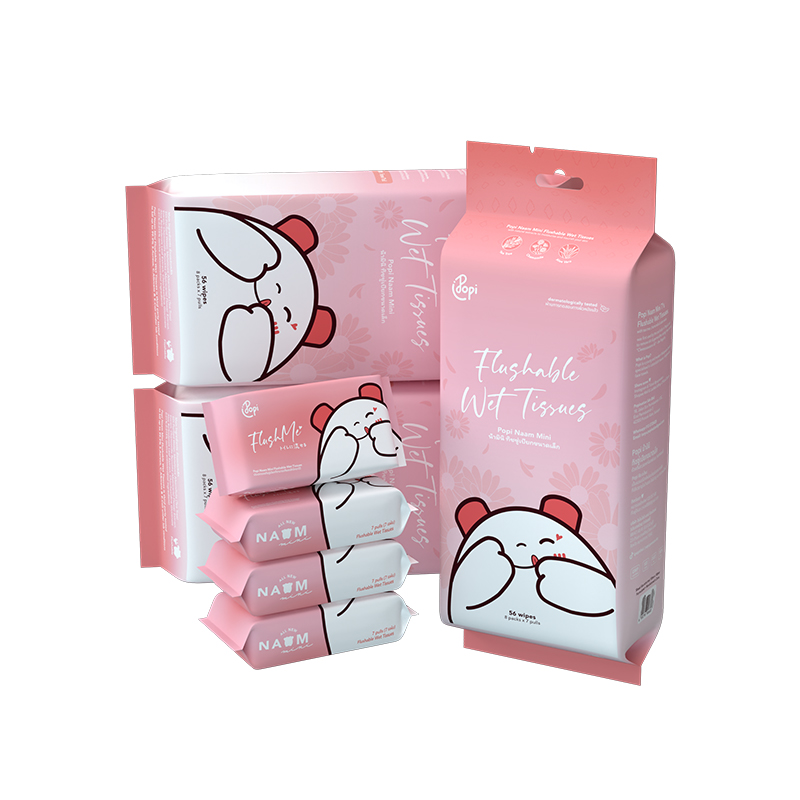
Yes, you can bring flushable wipes on a plane. They are treated identically to any other wet wipe. The “flushable” label does not change their security classification. Just be aware that many airlines recommend not flushing them in the lavatory, because aircraft waste systems use vacuum pipes and small-diameter valves that clog easily. Dispose of flushable wipes in the trash bin provided in the lavatory.
Alcohol wipes and disinfectant wipes are also allowed in both carry-on and checked baggage. Most commercial disinfecting wipes contain 60–75% isopropyl alcohol or ethanol, which is flammable in bulk liquid form. However, because the alcohol is impregnated into a substrate and is not free-flowing, these wipes are not considered a hazardous material by TSA or FAA standards. You can pack a canister of Lysol or Clorox wipes without restriction. The only exception would be a homemade bundle of rags heavily soaked in pure alcohol, which a security officer might treat as a liquid or flammable item — but pre-packaged wipes from a store are always fine.
| Wipe Type | Carry-On | Checked Baggage | Notes |
|---|---|---|---|
| Baby wipes | Yes, unlimited | Yes, unlimited | No restrictions |
| Flushable wipes | Yes, unlimited | Yes, unlimited | Do not flush on plane |
| Disinfectant wipes | Yes, unlimited | Yes, unlimited | Pre-packaged only |
| Alcohol swabs (small) | Yes, unlimited | Yes, unlimited | Often medically necessary |
| Homemade alcohol-soaked rags | May be restricted | May be restricted | Treated as flammable liquid |
While there is no limit on quantity, packing wet wipes smartly makes the journey easier. Keep a small, resealable travel pack in your personal item for easy access. If you bring a large economy pack, consider decanting a week's worth into a zip-lock bag to save space and prevent the entire pack from drying out if the seal fails. For disinfectant wipes, choose a rigid canister that won't pop open under cabin pressure changes — flexible packs rarely have this problem, but a hard container with a snap lid is more secure.
Place the wipes in an outer pocket of your bag during security screening. They do not need to be removed from your luggage, but having them accessible means you can clarify their nature instantly if asked. Once on board, use wipes to sanitize your tray table and armrests — aviation studies have shown these surfaces carry 8 to 10 times more bacteria than a typical kitchen table, making a quick wipe-down one of the most effective ways to stay healthy on a flight.
The general rule — wet wipes are allowed — holds true in most countries, but always check the specific aviation security rules for your destination if you are transiting through multiple jurisdictions. The European Union, Canada, Australia, and Japan align closely with TSA policy: pre-moistened wipes are not liquids. Some stricter countries may inspect alcohol wipes more carefully, especially if the package indicates a high alcohol percentage. If you are carrying a large quantity of disinfectant wipes in checked luggage, it is worth keeping them in their original commercial packaging so that inspectors can verify they are a standard consumer product and not a bulk flammable liquid.
For air travel within regions where liquid restrictions vary — such as domestic flights in some Southeast Asian nations — having a pack of wet wipes instead of a liquid sanitizer saves you the hassle of measuring out tiny bottles. Wipes provide the same sanitizing benefit without triggering a secondary inspection, making them one of the most travel-friendly hygiene products you can pack.



 English
 日本語
日本語 русский
 Español
 عربى
عربى