
Our team is proud to offer on time guarantee and product guarantee to customer satisfaction.
Read MoreContent
For cleaning effectiveness alone, wet wipes are generally better than dry toilet paper. Moisture helps dissolve and lift away fecal residue more thoroughly than a dry sheet can, reducing the number of passes needed and leaving the skin cleaner. This matters because incomplete cleaning is a leading cause of anal itching, irritation, and recurrent urinary tract infections, particularly in women. A study published in the Journal of the American Academy of Dermatology noted that gentle cleansing with moist wipes reduced perianal skin irritation in patients with chronic pruritus compared to dry wiping alone.
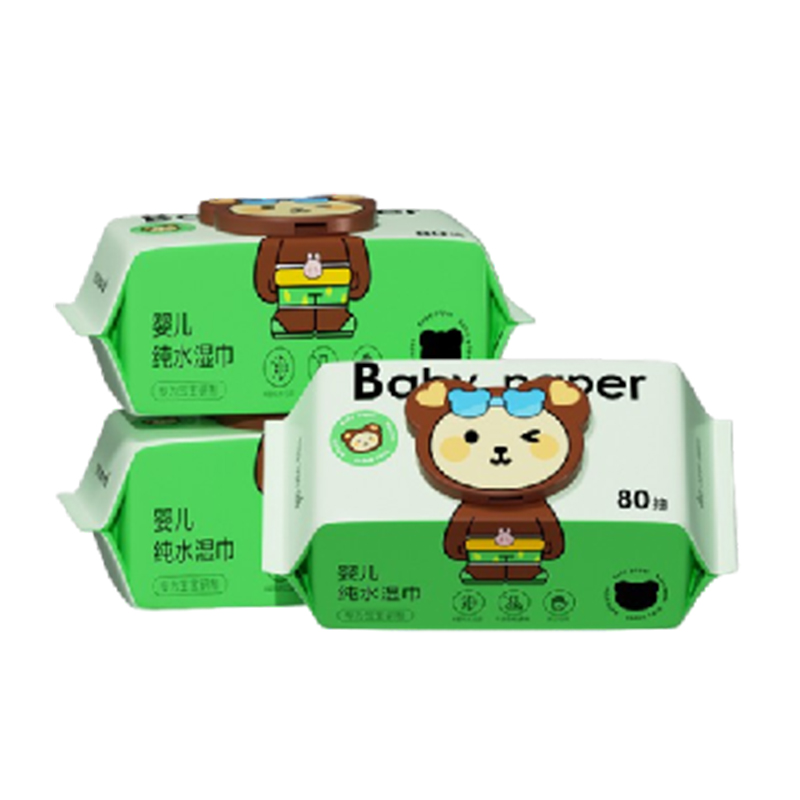
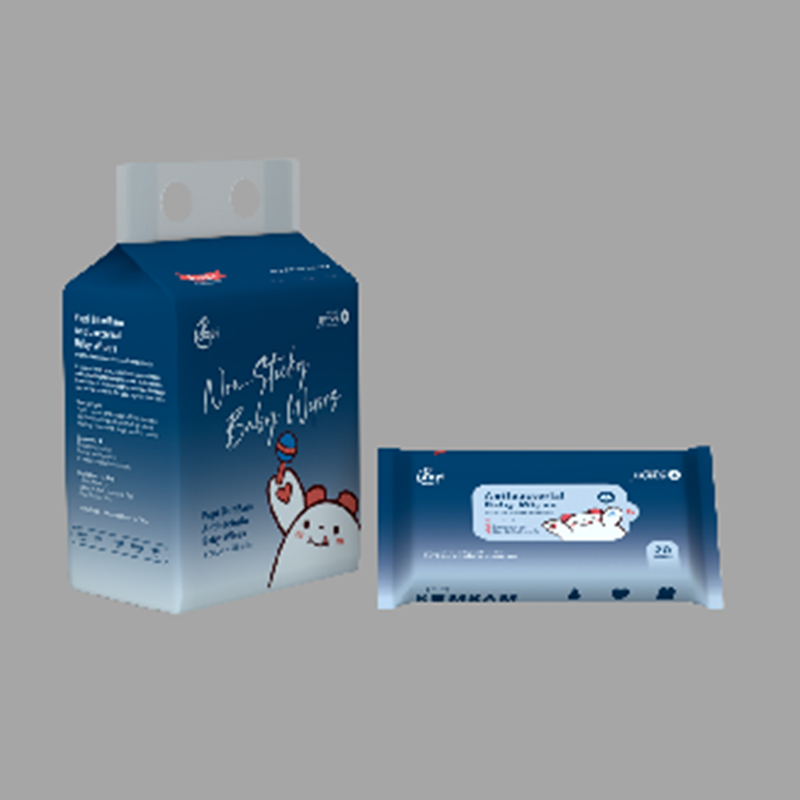
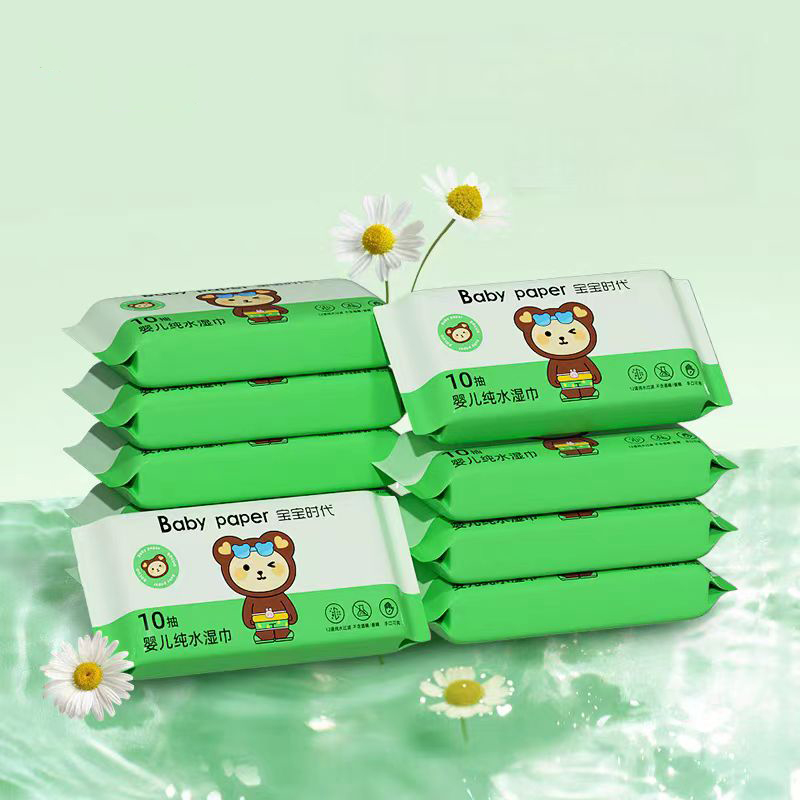
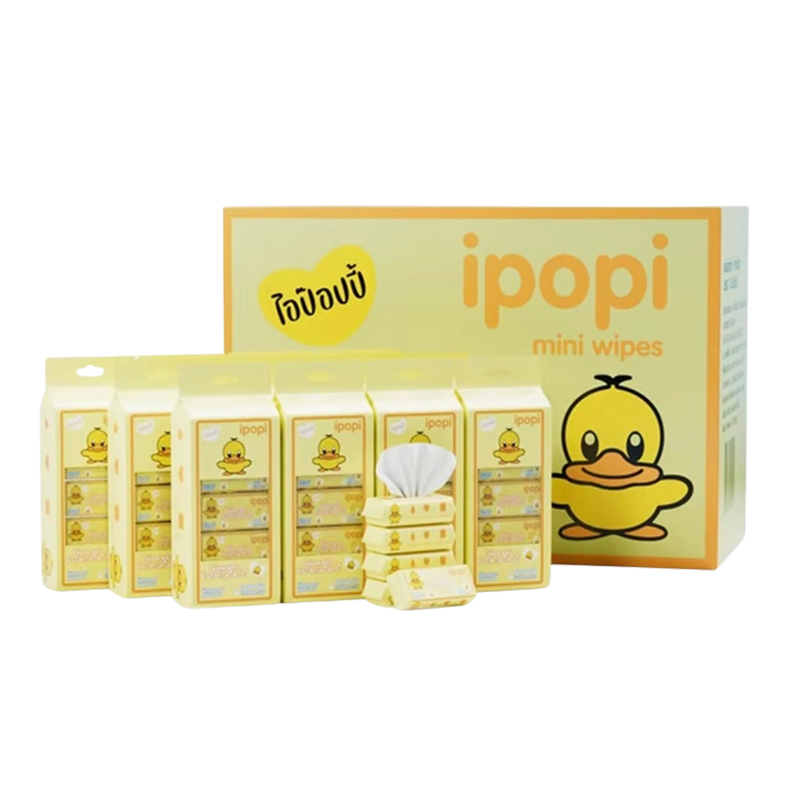
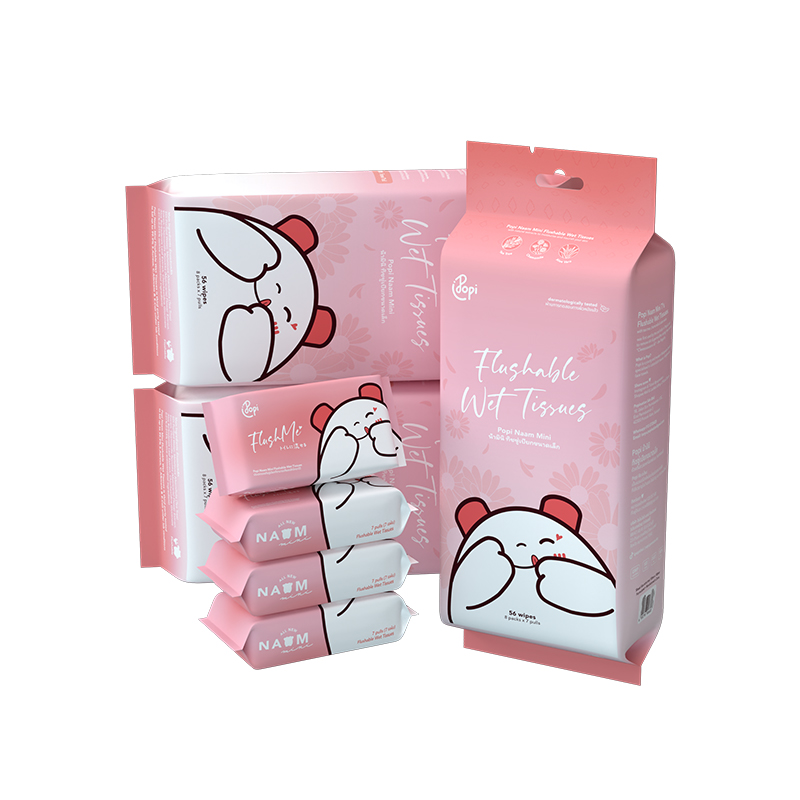
However, the question are wet wipes better than toilet paper cannot be answered without considering skin health and plumbing. Many commercial wet wipes contain preservatives, fragrance, or alcohol that can disrupt the skin barrier and cause contact dermatitis with prolonged use. Dry toilet paper is chemically simpler and less likely to provoke a reaction in sensitive individuals. The ideal solution for many is plain water on high-quality dry paper, a bidet, or unscented, dermatologically tested flushable wipes — coupled with the understanding that almost no wipe is truly safe to flush, regardless of the label.
Knowing how to wipe your bottom properly prevents the most common hygiene-related complaints seen in primary care and colorectal clinics. The correct way to wipe bottom starts with direction: always wipe from front to back, especially for women and children. The urethra is close to the anus, and wiping back-to-front introduces fecal bacteria into the urinary tract, directly increasing the risk of a urinary tract infection. A review by the American College of Obstetricians and Gynecologists reinforces that front-to-back wiping is a cornerstone of perineal hygiene.
Beyond direction, the technique matters. Use a folded wad of paper — not a single ply — and wipe with gentle, single strokes rather than aggressive scrubbing. After each stroke, fold or discard the paper and take a fresh section. Continue until the paper comes away clean, which typically requires three to six passes. The goal is to lift and remove material, not to rub it into the skin. When someone asks how do you wipe your butt correctly, the simplest instruction is: front to back, soft pressure, fresh paper each time. This method minimizes the spread of bacteria and reduces trauma to the sensitive perianal skin.
Learning how to wipe your buttocks properly is as much about what you use as how you use it. Dry toilet paper creates friction. When the skin is already damp from sweat or incomplete drying, that friction can cause micro-tears, leading to the burning sensation that many people mistake for poor hygiene when it is actually over-wiping. The proper way to wipe your bum involves recognizing when to stop. Once the paper shows no visible residue after two consecutive wipes, stop. Continuing to wipe until the paper is spotless of any moisture often means you are abrading healthy skin and stripping its natural protective oils.
For those who experience persistent irritation, switching to a moist cleaning method can break the cycle. Dampen a few sheets of toilet paper under running water, or use a pre-moistened wipe designed for sensitive skin. Pat, do not rub, to dry the area afterward. A small amount of zinc oxide barrier cream applied after cleaning provides a protective film that shields the skin from the next bowel movement, a technique routinely used in diaper care and equally valid for adults with recurrent irritation.
| Method | Cleaning Effectiveness | Skin Irritation Risk | Plumbing Risk |
|---|---|---|---|
| Dry toilet paper (single-ply) | Fair — may leave residue | High friction, easy to over-wipe | Low — designed to break down |
| Moistened toilet paper (water) | Good — lifts residue effectively | Low — no chemical additives | Low — paper still disintegrates |
| Flushable wet wipes | Excellent — thorough cleaning | Moderate — preservatives may irritate | High — do not disintegrate like paper |
| Bidet or water spray | Excellent — cleans with water only | Very low — no friction or chemicals | None — no solid material flushed |
Knowing how to keep your butt clean extends past the toilet visit. The perianal area has sweat glands and hair that can trap moisture and bacteria, leading to odor and fungal infections in skin folds. Daily showering with a mild, fragrance-free cleanser is sufficient; aggressive soaps and scrubbing damage the acid mantle and can worsen the very problems they seek to solve. After bathing, dry the area thoroughly by patting with a soft towel — do not rub.
For individuals with irritable bowel syndrome, chronic diarrhea, or hemorrhoids, the mechanical act of wiping multiple times a day becomes a source of distress. A portable bidet bottle or a squeeze bottle of warm water offers a non-contact cleaning method that breaks the cycle of irritation. When used in combination with the correct way to wipe your bottom (front to back, gentle pressure), this approach can resolve chronic itching within a week without the need for medicated creams. Ultimately, the proper way to wipe your bum is the one that leaves you clean without leaving your skin raw — and for many, that means using water, whether from a bidet, a dampened sheet of paper, or a carefully chosen wet wipe that is disposed of in the trash, not the toilet.



 English
 日本語
日本語 русский
 Español
 عربى
عربى