
Our team is proud to offer on time guarantee and product guarantee to customer satisfaction.
Read MoreThe average face towel in a shared bathroom accumulates more bacteria after three days of use than a toilet seat in the same room. Most people reach for the same cloth they used for their hands, the sink, or the countertop, then wonder why their skin barrier feels tight and looks dull after every wash. The question "how to use clean towels for face" is not a beauty trend. It is a practical hygiene decision with measurable outcomes for acne, sensitivity, and overall skin texture. The good news is that the solution does not require expensive skincare products. It requires only a change in how you handle your drying cloth.
Content
A clean towel prevents the transfer of dead skin cells, sebum, and surface bacteria back onto freshly cleansed skin.
After cleansing, the skin barrier is temporarily exposed. A damp towel that has been left in a bathroom for more than two days supports a microbial community that includes Staphylococcus, Pseudomonas, and fungal spores. Rubbing this contaminated surface across your face creates immediate recontamination, which is a known trigger for inflammatory acne and contact dermatitis.
Your skin's acid mantle, a thin film of sebum and sweat with a pH around 4.5 to 5.5, is the first barrier against pathogens. When you dry your face with a contaminated towel, alkaline residue from the cloth disrupts this pH balance, leaving the skin vulnerable to irritation and bacterial overgrowth.
For people with reactive skin, switching to a dedicated face towel or a single-use option is one of the simplest changes with the fastest visible improvement.
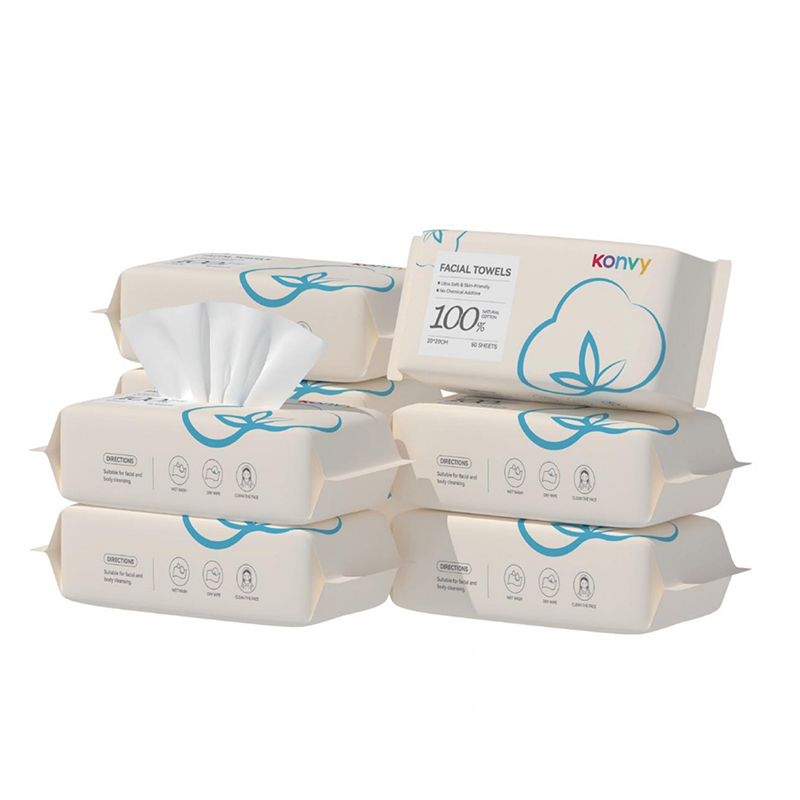 100% Cotton Disposable Facial Towels, 50 SheetsFor sensitive skin, this 100% cotton disposable towel provides a soft, absorbent surface for daily cleansing. Each 200x200mm sheet is gentle, making it a reliable choice for reactive skin care routines.View Product →
Choose a single-use facial towel made from pure cotton or plant fiber, with a texture that is soft enough to avoid microtears and structured enough to lift residue without leaving lint.
The right material depends on your skin type and how you plan to use it. Dry-wet dual use is the most versatile option because you can use the same sheet to remove cleanser foam and then press it gently over the whole face. Manufacturers like Jingde County Wanfang Articles Commodity Co., Ltd (Wanfang Paper) focus on plant fiber and pure cotton sheets specifically engineered for facial use.
In terms of dimensions, a 200 by 200 mm sheet covers the entire face in two passes, while a 150 by 200 mm sheet works better for precise, targeted pressing around the nose and eye area. The weight of the nonwoven fabric typically ranges from 40 to 70 grams per square meter. Sheets below 40 gsm tear easily during use; sheets above 70 gsm feel too stiff and can drag across the skin instead of pressing gently.
| Material | Absorbency | Linting | Wet strength | Cost per use |
| Pure cotton | High | Low | Good | Moderate |
| Plant fiber | Very high | Very low | Excellent | Low |
| Microfiber synthetic | Medium | High after repeated washing | Fair | Low |
| Ordinary bath towel | High | Very high | Good | Reusable with contamination risk |
The full context of material choice is covered in our article on how to use disposable face towels effectively.
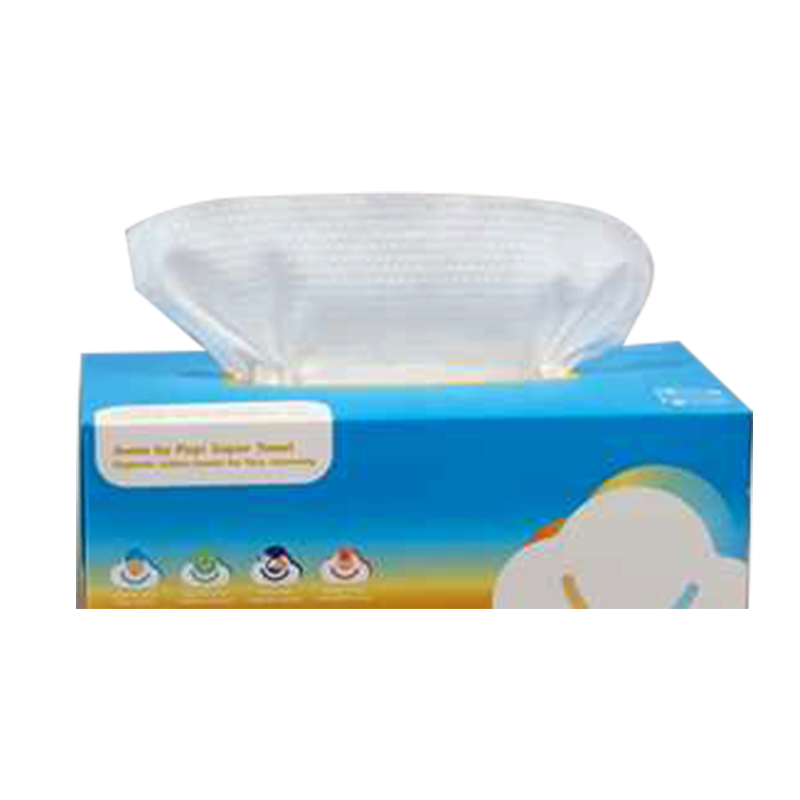 Boxed Disposable Cotton Soft Removable Face TowelMade from premium long-staple cotton, this boxed towel is free from chemical additives and offers a soft, durable texture. Its dense weave ensures gentle cleansing without irritation, ideal for sensitive or dry skin.View Product →
The correct sequence is cleanse, rinse, press, and discard or hang to dry. Never rub a towel across the face.
Wet the face, apply a gentle cleanser, and massage with fingertips in circular motions for 30 to 60 seconds. Do not use the towel in this step.
Splash lukewarm water at least 10 times until no cleanser film remains. Residue is one of the top causes of clogged pores.
Take one fresh, dry sheet and press it lightly over your face. Move from the center outward, changing the sheet if it becomes too wet.
If you are using a disposable facial towel, throw it away after one use. If you must reuse it, hang it in direct sunlight and use it only for your face.
The difference between cotton and plant fiber becomes visible during use. Cotton sheets absorb slightly faster, but plant fiber sheets hold their shape when wet and do not release loose fibers onto the skin. For acne-prone skin, loose fibers are a hidden problem because they can become trapped inside pores and clog them.
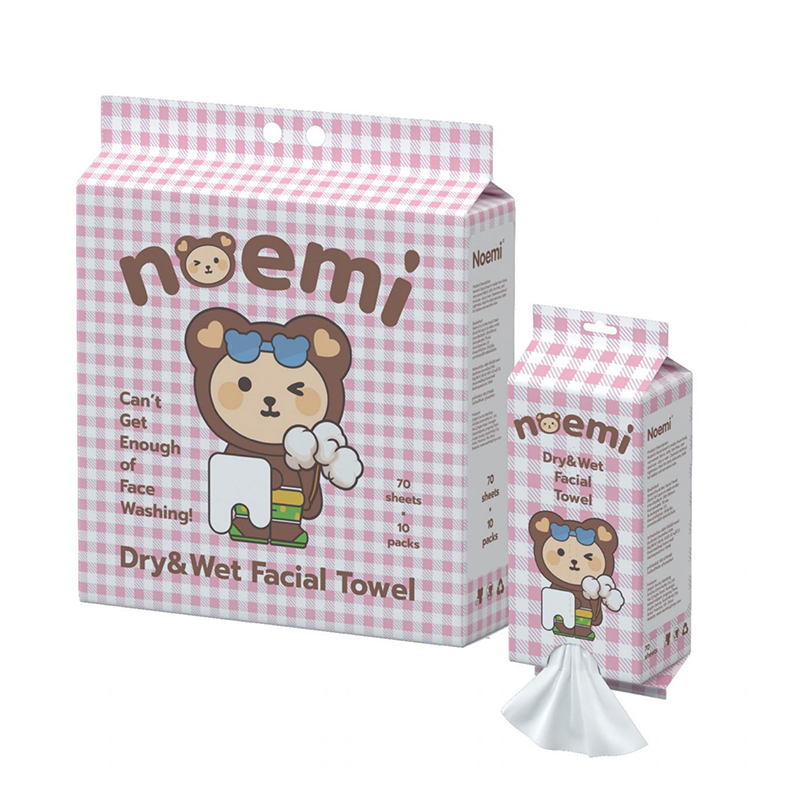 Hanging Plant Fiber Facial Towels, 70 SheetsThese plant fiber towels hold shape when wet and avoid releasing loose fibers, making them suitable for acne-prone skin. The hanging pack offers easy access, and each 200x200mm sheet works dry or wet.View Product →
The three most damaging mistakes are rubbing, reusing, and using the same towel for hands and face.
A dedicated face towel should be the third most changed item in your bathroom, after your toothbrush and your razor. It is not a luxury. It is basic hygiene.
Store a clean face towel in an open-air holder away from the toilet, or keep disposable options in a sealed pack and use them within 24 hours of opening.
For reusable cotton towels, the maintenance routine is simple:
For disposable plant fiber towels, the advantage is obvious. One sheet at a time, no damp storage, no biofilm, no lingering odor. This makes them especially suitable for travel, gym bags, and busy households.
If you live in a humid climate, even a reusable towel that is washed daily can harbor mold if it is not dried completely. A hanging disposable face towel pack with individual sheets solves this problem by keeping each sheet separate from the others until the moment of use.
Change a reusable face towel after two uses at most. A disposable face towel should always be used once and discarded. If your towel stays damp for more than a day, replace it immediately even if it was used only once.
Yes, but you need a different approach. Choose a plant fiber or pure cotton towel with no fragrance, no dye, and no printing. Press it over the skin instead of rubbing, and never exfoliate with a dry towel because sensitive skin loses its protective lipids very quickly.
Disposable face towels eliminate the risk of biofilm and bacterial transfer almost completely, which makes them the better choice for acne-prone or reactive skin. Washable cotton towels remain an eco-friendly option, but they require dedicated washing and a very strict rotation schedule to stay safe.
Pat, do not drag. Use the cleanest possible surface, slightly damp rather than bone dry, and let your moisturizer seal in the remaining moisture. Dragging a dry towel across the face creates micro-folds that become permanent lines when the skin's elasticity drops with age.



 English
 日本語
日本語 русский
 Español
 عربى
عربى