
Our team is proud to offer on time guarantee and product guarantee to customer satisfaction.
Read MoreEvery day you dry your face on a towel that has been damp for hours, sharing whatever bacteria the last user left behind. Public health researchers have detected coliform bacteria on roughly 89 percent of household bathroom towels after just one day of normal use. That statistic reframes the real question: do disposable face towels work as a practical alternative, or are they just another single-use product to skip? They work, and the reasons are measurable. They reduce bacterial carryover, give sensitive skin a clean surface every time, and solve a storage problem in humid bathrooms. The rest of this guide breaks down materials, hygiene data, and the buying decisions that separate a useful sheet from a worthless one.
Content
A disposable face towel is a single-use non-woven sheet made from plant fiber, cotton, or a blend, engineered to absorb water without falling apart and to be gentle enough for the skin. The fiber and weight, not the brand name, decide whether it actually does the job.
Most face towels are produced with the spunlace process, where high-pressure water jets entangle fibers into a fabric without chemical binders. The result is a sheet that feels like cloth, does not pill, and has enough wet strength to survive a face rinse. In-house manufacturers, such as Jingde County Wanfang Articles Commodity Co., Ltd (Wanfang Paper), control fiber, ply, and finish from spool to final packaging.
For a countertop option with a sealed box, the boxed disposable cotton soft removable face towel is a clear starting point.
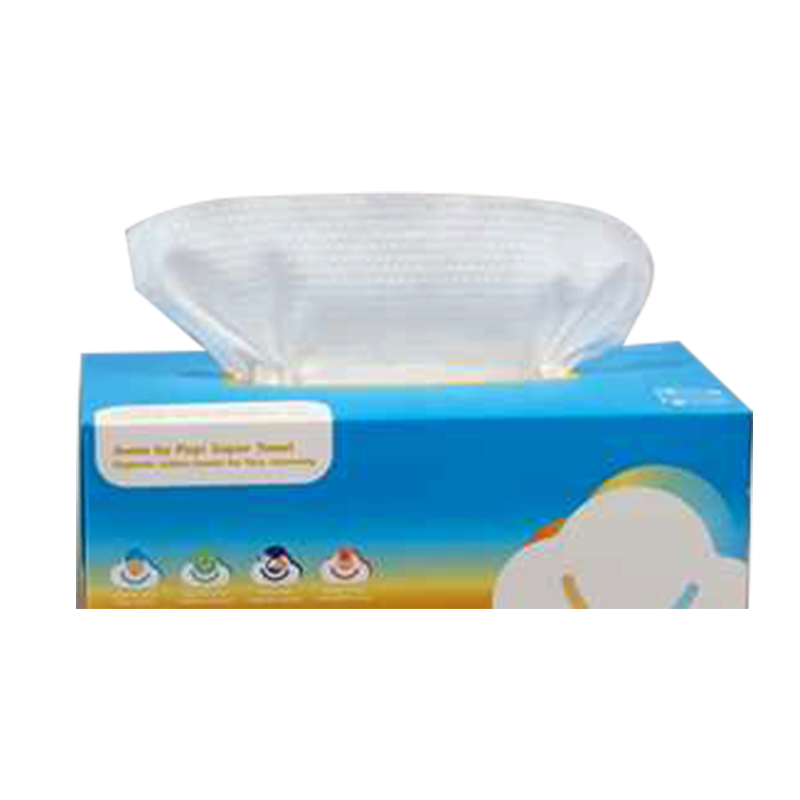 Boxed Disposable Cotton Soft Removable Face TowelMade from long-staple cotton without fluorescent agents or chemical softeners, these individually packed towels offer a soft, absorbent, and hygienic option for daily facial cleansing, suitable for sensitive and dry skin.View Product →
Yes, from a hygiene standpoint, a disposable face towel beats any cloth towel that has sat damp for a full day. The advantage shrinks if the disposable sheet is left on a wet counter for a week, so handling matters as much as the product.
A damp cloth creates the conditions bacteria need to multiply. Coliform bacteria on 89 percent of household towels is the starting point; the count climbs with every additional use. A disposable face towel is used once, then discarded, so it never becomes a reservoir for the organisms you are trying to remove from your face.
Relative hygiene index after one day of use
Higher is better. Index reflects bacterial load and recontamination risk after normal use.
The practical impact shows up in two places: fewer red spots on acne-prone skin and no musty towel smell in the bathroom.
| Factor | Cloth towel | Disposable face towel |
| Bacterial load after one day | High | Near zero |
| Drying time after use | Slow, stays damp | Discarded after use |
| Cost per use | Very low | Low to moderate |
| Storage requirement | Hooks and racks | Drawer, hang, or pump |
| Environmental footprint | Lower if used many times | Higher unless compostable |
For reactive, acne-prone, or easily irritated skin, disposable face towels work when the fiber is soft, the sheet is fragrance-free, and the packaging keeps the towel dry between uses. They remove common irritants that a washcloth cannot.
Cloth towels carry residual detergent, fabric softener, and skin oils that re-damage the barrier. Disposable face towels skip the wash cycle entirely. Friction is the hidden irritant; a low-GSM crepe sheet can scratch more than a fluffy cotton towel, so choose a smooth 60 GSM or higher sheet for sensitive skin. Cream-soft towels add glycerin or lotion, which is useful for dry skin but can leave residue on acne-prone skin. Choose a sheet without added fragrance or optical brightener when you have eczema or stinging after washing. The best disposable face towel will feel dry and soft without leaving a film on the skin.
The cost is justified in three situations: travel, post-exercise cleansing, and any bathroom where towels are shared. In those conditions, the sheet is not a luxury; it is the most practical option.
One more note: do not store a loaded dispenser next to the shower. The sheets absorb humidity and then tear when you pull them out.
For a portable pump pack that keeps sheets dry in a humid bathroom, the 40 pump small pack portable lotion soft disposable face towel is a practical choice.
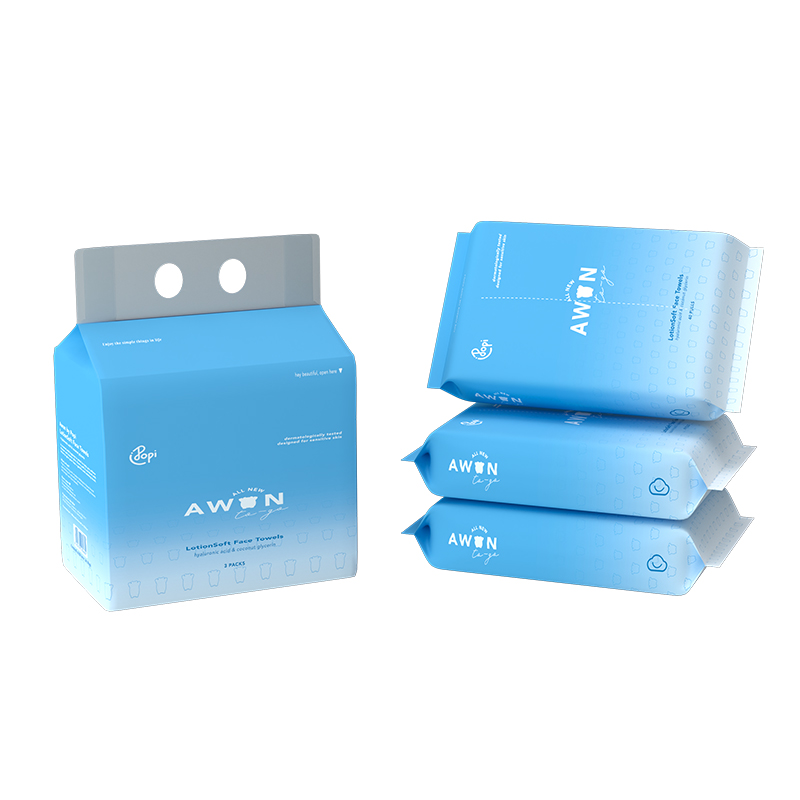 Portable Lotion-Infused Disposable Face Towels in 40-Pump PackThese soft disposable towels are enriched with lotion, designed for gentle cleansing and moisturizing. The compact, hygienic pump pack makes them easy to carry for travel or daily use, minimizing skin irritation.View Product →
Four variables decide whether a disposable face towel is worth its price: wet strength, sheet size, fiber origin, and packaging that protects the sheets from humidity. Check these before trusting a highly designed box or a low price.
Wet strength is not printed on the front of most packs. Soak a sheet in water for 30 seconds and rub it between your fingers. If it stays intact, it will survive a face rinse. A 50 to 70 GSM sheet should not tear under normal pressure. Sheet size matters for coverage: 200 by 200 mm covers a full face, while 150 by 200 mm suits a quick wipe. Fiber origin controls softness and absorbency: plant fiber with viscose is softer, 100% cotton is more absorbent, and recycled fiber is rougher and best avoided on sensitive skin.
| Specification | Acceptable range | Why it matters |
| Wet strength | No tear after 30 second soak | Prevents lint and breakage |
| Sheet size | 200 by 200 mm or larger | Fewer sheets needed per routine |
| Fiber origin | Cotton or cotton-viscose blend | Controls softness and absorbency |
| Packaging | Sealed box, hang, or pump | Prevents humidity damage |
If you are just starting to research, this broader guide to disposable face towel types covers the main categories, grades, and use cases in more detail.
For a strong, absorbent option based on 100% cotton, the 100 cotton disposable facial towels 50 sheets is worth testing.
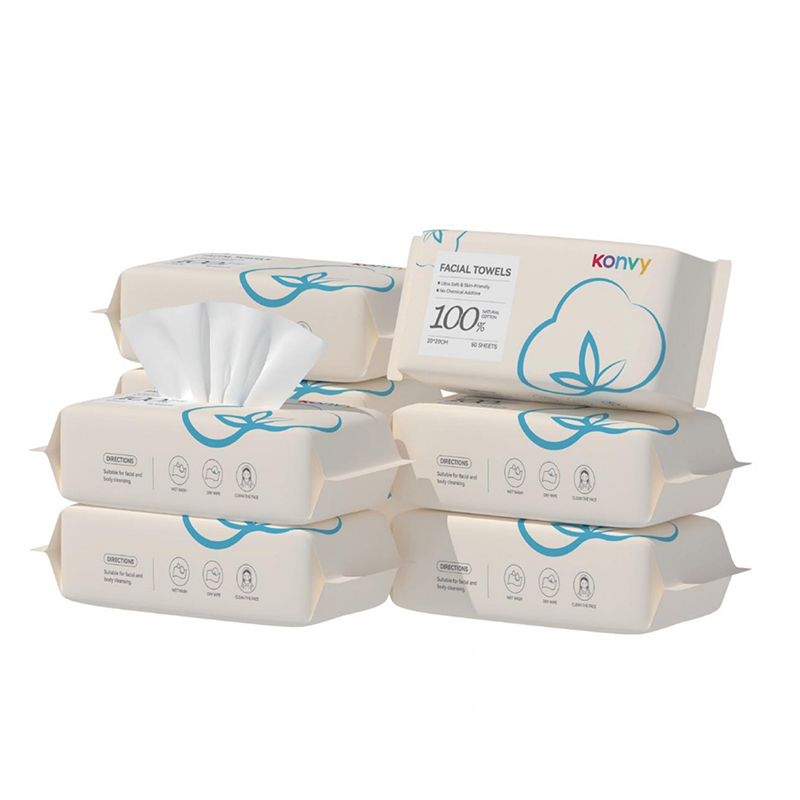 100% Cotton Disposable Facial Towels, 50 SheetsThese 200×200mm single-ply cotton towels provide a natural, absorbent surface for facial care. The 50-sheet pack offers convenience and softness, suitable for cleansing, toner application, and general skincare.View Product →
The basic answer is no. A 50 to 70 GSM sheet is designed for one or two uses at most. Reusing it after touching the skin reintroduces the same problem you are trying to avoid: redepositing oils, sweat, and bacteria.
They help by removing variables you cannot control in a shared bathroom: clean sheets, no residual softener, and no washing machine contamination. That is not a cure, but it removes a common irritant from the routine.
Cotton pads are better for targeted toner application. Disposable face towels cover more surface area, dry a wet face faster, and handle makeup removal with better wet strength. If you use both, a cotton pad can handle eye makeup while a disposable face towel dries the rest of the face.
Keep the pack sealed in a dry drawer, or use a hanging or pump dispenser. Humidity is the enemy; once sheets sit exposed in a steamy bathroom, they lose stiffness and can become a breeding surface.



 English
 日本語
日本語 русский
 Español
 عربى
عربى