How to Wipe Your Bum Correctly: Technique, Direction, and Common Mistakes
Proper wiping technique matters more than most people realize. Done incorrectly, wiping can introduce bacteria to sensitive areas, cause skin irritation, and leave residue that leads to odor, itching, and discomfort. The fundamentals are straightforward but worth understanding clearly — especially since many people were never explicitly taught correct technique.
Front-to-Back: The Most Important Rule
Always wipe from front to back — from the perineum toward the tailbone — never in the reverse direction. This applies to all people, but is especially critical for people with vulvas. Wiping back-to-front drags fecal bacteria, particularly Escherichia coli, toward the urethra and vaginal opening. E. coli is responsible for approximately 80–85% of urinary tract infections (UTIs), and incorrect wiping direction is one of the most preventable contributing factors. A single wipe in the wrong direction is sufficient to introduce bacteria to areas where they do not belong.
Step-by-Step: The Correct Method
- Reach from the front or the back — both approaches work provided the direction of the wipe itself is always back-to-back. Reaching from the front between the legs gives more direct visibility and control for many people; reaching around from behind is more intuitive for others. Use whichever allows you to wipe in the correct direction without awkward contortion.
- Use adequate but not excessive material — fold toilet paper into a firm pad (3–4 sheets folded twice) rather than scrunching it into a loose ball. A folded pad applies more even pressure, covers more surface area per wipe, and is less likely to tear or leave fragments on the skin.
- Wipe in a single, controlled motion from front to back. Apply gentle but firm pressure — aggressive scrubbing damages the delicate perianal skin and can cause microscopic abrasions that increase irritation and infection risk.
- Check the paper and repeat — continue wiping with fresh paper until no residue is visible. The number of wipes required varies by individual, diet, and stool consistency. Loose stools typically require more careful, thorough wiping; well-formed stools may require fewer passes.
- Final gentle clean — a final pass with a damp wipe, moistened toilet paper, or wet wipe can remove any remaining residue that dry paper misses, leaving the area genuinely clean rather than just visually clear.
- Wash hands thoroughly with soap and water for at least 20 seconds after completing wiping, regardless of whether gloves or tissue were used.
Sitting vs. Standing to Wipe
Whether to wipe while seated or after standing is largely a matter of personal habit and anatomy, with no medical evidence favoring either approach. Those who stand argue it separates the buttocks more fully, making the area easier to clean. Those who remain seated find it more stable and easier to reach correctly. The direction of the wipe and thoroughness of cleaning matter far more than body position. If you have been wiping incorrectly (back-to-front or with inadequate thoroughness) for years, adjusting your technique is significantly more impactful for hygiene than changing whether you sit or stand.
Signs You Are Not Wiping Thoroughly Enough
- Anal itching (pruritus ani) — residual fecal matter left on the perianal skin is the most common cause of anal itching in otherwise healthy adults. Paradoxically, excessive wiping with dry paper can also cause itching by abrading and drying out the skin.
- Staining on underwear — consistent staining indicates incomplete cleaning and warrants adjusting technique, adding a wet wipe step, or investigating whether stool consistency changes (often diet-related) are contributing.
- Odor — persistent odor after wiping that does not resolve with standard cleaning is a sign that dry paper alone is insufficient for your current stool consistency, and that a final damp or wet wipe step would help.
Can You Use Wet Wipes on Your Bum — Safety, Skin Compatibility, and What to Avoid
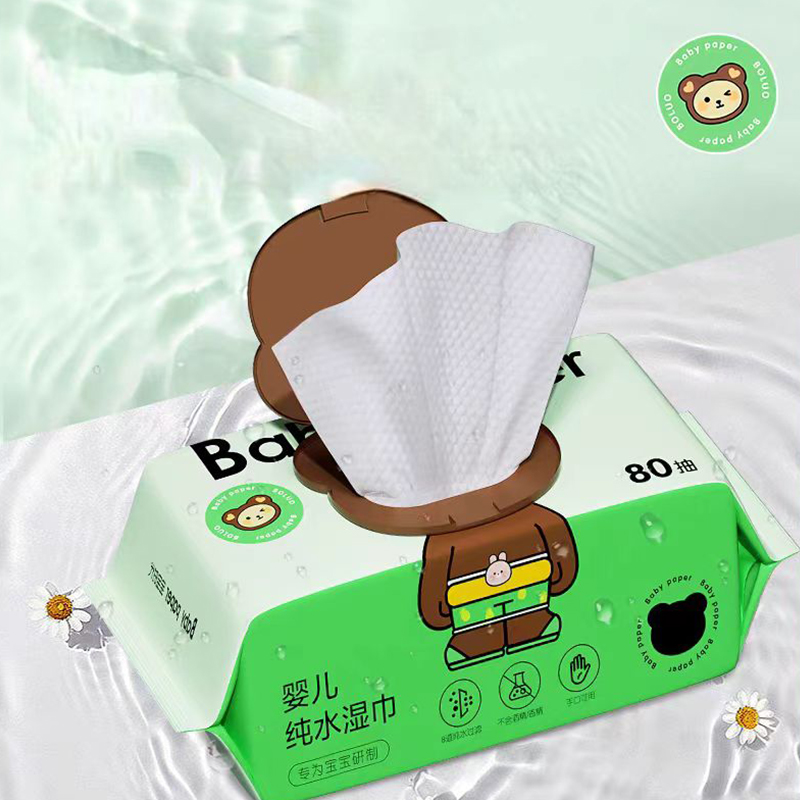
Wet wipes — including branded products like Wet Ones — can be safely used on the perianal area provided they are formulated for skin contact and free from ingredients that irritate sensitive skin. The key distinction is between wipes formulated for body and personal hygiene use versus those intended for household surfaces, baby equipment, or disinfecting purposes. Using the wrong product type on skin can cause significant irritation.
Wet Ones and Comparable Antibacterial Wipes
Wet Ones are marketed as hand and face wipes for personal hygiene use and are generally safe for use on intact perianal skin in adults. However, several considerations apply:
- Alcohol content — some Wet Ones variants contain ethanol or isopropyl alcohol as the active antibacterial agent. While effective for hand sanitizing, repeated alcohol application to perianal skin strips the natural lipid barrier, causing dryness, microfissures, and increased irritation over time. For regular post-toilet use, alcohol-free wipes are preferable.
- Fragrance — fragranced wipes are among the leading causes of contact dermatitis in the perianal area. The skin in this region is thinner and more permeable than forearm skin; fragrance compounds (including natural essential oils) penetrate more readily and trigger sensitization reactions in susceptible individuals. Fragrance-free formulations are strongly preferred for regular personal hygiene use.
- Preservatives — methylisothiazolinone (MI) and methylchloroisothiazolinone (MCI) are common preservative systems in wet wipes that have been identified as significant contact allergens. The European Scientific Committee on Consumer Safety has recommended maximum concentrations and has flagged these preservatives as unsuitable for leave-on products. For wipes used on perianal skin — where full rinsing does not occur — low or zero MI/MCI formulations are advisable.
Best Wipe Types for Regular Perianal Hygiene
For regular use after toileting, the following formulation criteria represent the safest profile for most adults:
- Alcohol-free — preserves the skin's natural moisture barrier.
- Fragrance-free / unscented — minimizes contact sensitization risk.
- pH-balanced (approximately 5.5) — matched to skin's natural slightly acidic pH, supporting the acid mantle that protects against microbial overgrowth.
- Dermatologically tested and hypoallergenic labeling — while not a regulatory guarantee, these designations indicate the product has undergone standardized patch testing.
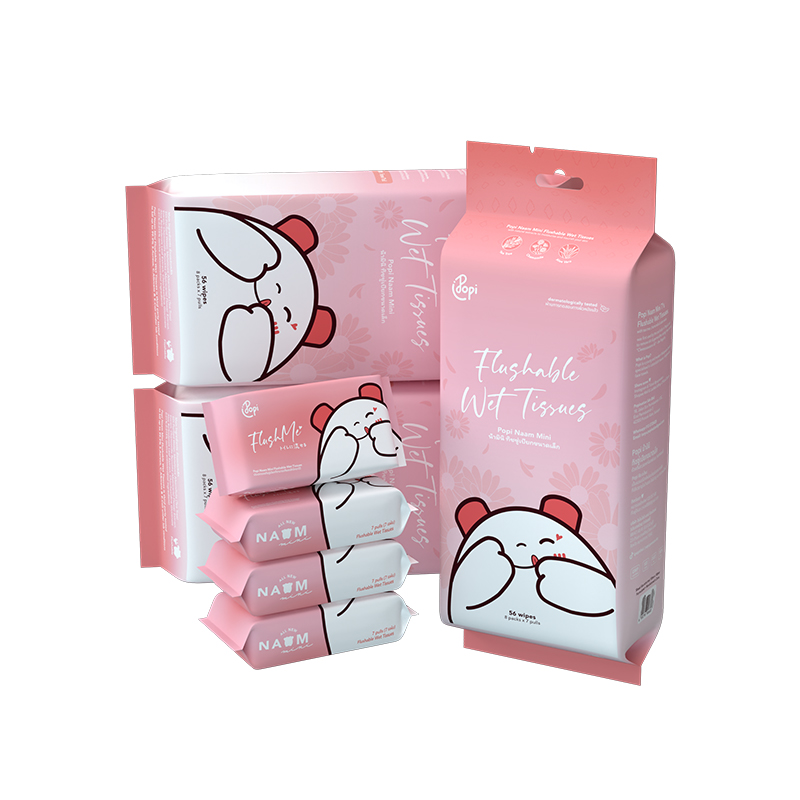
- Flushable certification (if flushing) — only wipes carrying the INDA/EDANA "Fine to Flush" certification or equivalent should be disposed of in toilets. The vast majority of wet wipes — including many labeled "flushable" — do not disintegrate adequately and are a primary cause of sewer blockages and fatbergs. When in doubt, bin rather than flush.
People with hemorrhoids, anal fissures, inflammatory bowel disease (IBD), or sensitive skin conditions such as eczema or psoriasis affecting the perianal area should use the most minimal formulation possible — ideally plain water on a soft cloth or tissue — and consult a healthcare provider if over-the-counter wipes consistently cause irritation.
Wet Wipes Raw Materials: What They Are Made From and Why It Matters
Understanding what wet wipes are made of helps consumers make informed product choices and helps buyers in the personal care and hygiene supply chain specify the right substrates and formulations for their applications. Wet wipes consist of two distinct components: the carrier substrate (the physical fabric or nonwoven sheet) and the lotion or solution that saturates it.
Substrate Raw Materials
The vast majority of wet wipes are built on nonwoven fabric substrates rather than woven textiles, because nonwovens can be engineered to precise softness, strength, absorbency, and wet integrity specifications at the production speeds required for high-volume wipe manufacturing. The primary substrate types are:
- Spunlace (hydroentangled) nonwovens — the dominant substrate for personal hygiene wipes. High-pressure water jets entangle fiber webs without chemical binders, producing a soft, textile-like sheet with good wet tensile strength. Typical fiber compositions are 50–70% viscose (rayon) blended with 30–50% polyester or polypropylene. Viscose contributes softness, absorbency, and a natural feel; polyester or PP provides wet strength and dimensional stability during use.
- Pure viscose / lyocell substrates — 100% cellulosic fiber spunlace wipes offer enhanced softness and are fully biodegradable, making them the preferred substrate for premium and eco-positioned wipe products. Lyocell (Tencel) fiber, produced in a closed-loop solvent process, delivers superior softness to standard viscose at a higher raw material cost.
- Cotton spunlace — 100% cotton or cotton-rich blends are used in premium baby wipes, intimate hygiene wipes, and medical-grade products where natural fiber provenance and hypoallergenic claims are commercially important. Cotton has lower tensile strength wet than viscose/PET blends and higher raw material cost, limiting its use to premium price points.
- Airlaid pulp composites — wood pulp fiber formed by air-laying rather than wet-laying, often thermally bonded or latex-bonded, used in thicker household cleaning and disinfecting wipes. High absorbency but lower wet strength than spunlace; not preferred for skin-contact personal wipes.
- SMS / spunbond laminates — used in specific medical and industrial wipe applications requiring barrier properties; not typical for consumer personal hygiene wipes.
Lotion and Solution Raw Materials
The solution that saturates the substrate is as important as the fabric itself in determining skin compatibility. A standard personal hygiene wipe lotion contains the following functional components:
- Water — purified water (deionized or reverse osmosis treated) constitutes 90–97% of most wipe lotions by weight. Water quality is critical; high mineral content affects preservative efficacy and can cause substrate discoloration.
- Humectants — propylene glycol, glycerin, and butylene glycol attract and retain moisture in the skin surface after wiping, preventing the drying effect that pure water alone can cause through evaporative cooling and barrier disruption.
- Emollients — ingredients such as aloe vera extract, panthenol (pro-vitamin B5), allantoin, and various plant oils (chamomile, calendula) soothe and condition the skin. These are particularly prominent in baby wipe formulations and sensitive skin variants.
- Preservatives — the water-rich wipe environment supports microbial growth; preservatives maintain product safety throughout shelf life. Common systems include phenoxyethanol (considered lower-irritation than MI/MCI), sodium benzoate, potassium sorbate, and ethylhexylglycerin. Preservative selection is one of the most scrutinized aspects of wipe formulation from a skin safety perspective.
- pH adjusters — citric acid or sodium hydroxide are used to target the final lotion pH of 5.0–5.5, matching the skin's natural acid mantle.
- Chelating agents — disodium EDTA or sodium phytate sequester calcium and magnesium ions in the water phase, improving preservative efficacy and preventing mineral deposits on the substrate.
| Wipe Type |
Typical Substrate |
Key Lotion Features |
Flushable? |
| Baby wipes |
Viscose/PET spunlace or cotton |
Fragrance-free, aloe, panthenol, pH 5.5 |
Generally no |
| Personal hygiene / moist toilet tissue |
Viscose/PET or pure viscose spunlace |
Minimal formula, low preservative load |
Only if certified |
| Antibacterial hand/body wipes |
Viscose/PET spunlace |
Ethanol or benzalkonium chloride active |
No |
| Disinfecting surface wipes |
Polyester/PP spunlace or airlaid |
Quaternary ammonium or hypochlorite — not for skin |
No |
| Biodegradable / eco wipes |
100% lyocell or cotton spunlace |
Natural preservatives, certified organic extracts |
Only if certified |
Common wet wipe categories, their substrate and lotion composition, and flushability status
The most important raw material trend in wet wipe manufacturing is the shift away from polyester-containing substrates toward 100% biodegradable cellulosic fibers — driven by European single-use plastics regulations and growing retailer sustainability requirements. Viscose, lyocell, and cotton spunlace substrates biodegrade in standard composting and wastewater conditions, whereas PET-containing substrates persist in the environment indefinitely. This transition is driving significant reformulation activity across the global wipes supply chain.




 English
 日本語
日本語 русский
 Español
 عربى
عربى