
Our team is proud to offer on time guarantee and product guarantee to customer satisfaction.
Read MoreWalk down any household paper aisle, and you’ll see terms like kitchen paper, paper towels, and tissue paper used almost interchangeably. Yet they are not the same product, and choosing the wrong one leads to wasted sheets, clogged drains, or food that doesn’t turn out right. This guide digs into the real differences — from kitchen paper vs paper towel to kitchen paper vs tissue paper — and then breaks down the materials, ply options, and eco‑credentials that define the best kitchen paper towel material. By the end, you’ll know exactly how to choose kitchen paper towels that match your cooking, cleaning, and environmental priorities.
Content
In most English‑speaking countries, “kitchen paper” and “paper towel” refer to the same product: a thick, absorbent, multi‑purpose sheet on a roll. The two terms can be used synonymously without causing confusion. However, there is a subtle historical distinction. In the UK and parts of Europe, kitchen paper traditionally described a slightly heavier, quilted sheet specifically designed for kitchen messes, while “paper towel” was a broader category that included lighter rolls used in bathrooms or workshops.
Today, that line has blurred. Major brands sell what they call kitchen paper towels, and the packaging often lists both phrases. From a performance standpoint, if the roll states “kitchen paper” on the label, you can generally expect it to have been engineered for higher absorbency and wet strength compared to a generic paper towel roll. When debating kitchen paper vs paper towel, the practical takeaway is simple: check the packaging for clues like “2‑ply,” “strong when wet,” or “food grade,” and you’ll end up with the right product regardless of what it’s called.
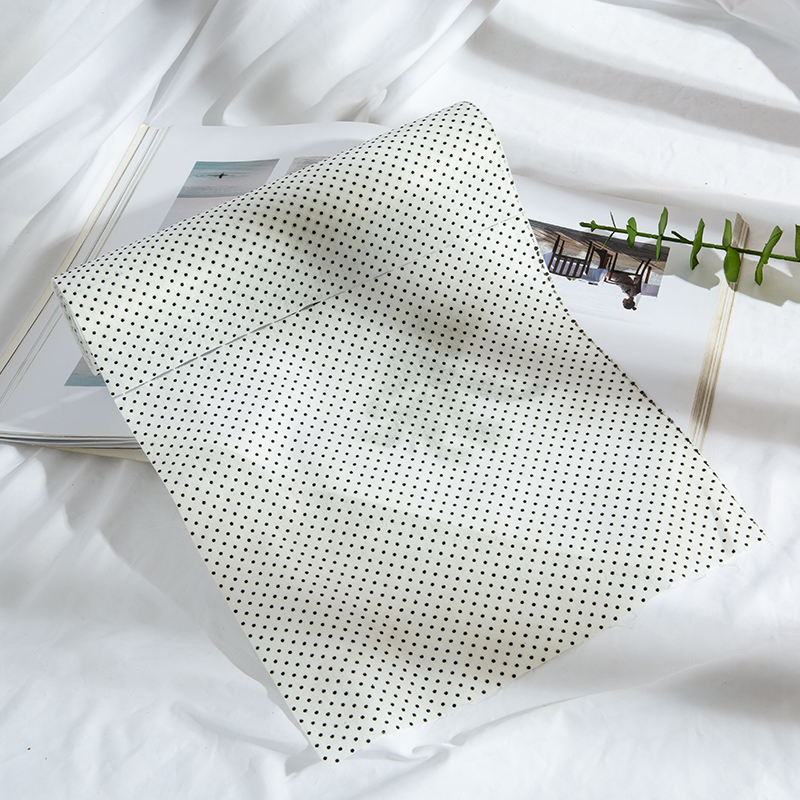
The comparison between kitchen paper vs tissue paper is where real differences emerge. Facial tissues, toilet paper, and napkins are made from lightweight paper designed to be soft on the skin and to disintegrate easily when wet. This is a deliberate design feature — tissue paper must break down in water to prevent pipe blockages. But that same property makes it a disaster in the kitchen. A tissue used to wipe a spill will quickly shred into a pulpy mess, leaving behind fibers and moisture rather than removing them.
Kitchen paper, by contrast, is built for wet strength. The virgin pulp kitchen paper towel or a high‑quality recycled kitchen paper towel uses longer cellulose fibers and a wet‑strength resin that helps the sheet hold together even when saturated. When you scrub a greasy pan with a sheet of kitchen paper, it maintains its structure, unlike a tissue that would disintegrate almost on contact. Additionally, tissue paper is rarely manufactured to food grade kitchen paper standards — it may contain lotions, fragrances, or optical brighteners that should never touch food. For cooking tasks like blotting a steak or covering a microwave dish, only a true kitchen paper towel keeps food safe and surfaces clean.
Knowing how to choose kitchen paper towels comes down to matching the product specs to how you actually use a roll. The following criteria determine whether a paper towel meets the demands of a busy kitchen or falls apart at the first heavy spill.
By methodically evaluating these factors, you move beyond brand names and price tags, and end up with a roll that genuinely performs — whether you’re cleaning glass, draining fried food, or simply wiping down the dinner table.
The raw material that goes into a roll dictates its strength, softness, absorbency, and environmental impact. When selecting the best kitchen paper towel material for your home, it helps to compare the three main contenders side by side.
| Material | Source | Absorbency | Wet Strength | Eco‑Friendliness | Best For |
|---|---|---|---|---|---|
| Virgin pulp kitchen paper towel | New wood fibers, often from softwood trees | Very high — long, intact fibers | Excellent, maintains integrity | Lower if not FSC‑certified; high carbon footprint | Food contact, heavy spill cleanup |
| Recycled kitchen paper towel | Post‑consumer or post‑industrial paper waste | Moderate — shorter fibers reduce capacity | Good, but may tear easier when wet | High — diverts waste from landfill, uses less energy | Daily cleaning, wiping surfaces |
| Bamboo kitchen paper towel | Fast‑growing bamboo grass | High — comparable to virgin wood | Strong, naturally resilient fibers | Very high — renewable, biodegradable, low water use | Eco‑conscious kitchens, all‑purpose use |
A virgin pulp kitchen paper towel remains the top performer in terms of pure absorbency and softness because the long, uncut fibers create a highly porous sheet. But the environmental cost is higher unless the pulp is sourced from certified sustainably managed forests. A recycled kitchen paper towel sacrifices a little performance for a significant drop in carbon footprint — it uses up to 40% less energy to produce than virgin paper and keeps waste paper out of landfills. Meanwhile, a bamboo kitchen paper towel is rapidly gaining ground as the strongest eco friendly kitchen paper option: bamboo reaches harvest maturity in 3–5 years versus decades for hardwood trees, and it grows with minimal water and no pesticides. Bamboo fibers also create a naturally strong, biodegradable kitchen paper towel that breaks down completely in composting conditions, making it a favorite for those seeking a fully circular lifecycle.
Choosing an eco friendly kitchen paper goes beyond the material itself. True environmental responsibility extends to the bleaching process, packaging, and disposal. Unbleached or totally chlorine‑free (TCF) products avoid the release of dioxins into waterways. Packaging made from recycled cardboard or compostable film further reduces the roll’s life‑cycle impact. And while most kitchen paper is technically biodegradable kitchen paper towel material, the speed of breakdown matters: a bamboo or recycled sheet in a home compost pile can vanish within 4–6 weeks, whereas a thick virgin sheet with wet‑strength additives may take months.
If you’re looking for the most sustainable option, search for a biodegradable kitchen paper towel that carries third‑party certifications such as the Forest Stewardship Council (FSC) label, the EU Ecolabel, or the Biodegradable Products Institute (BPI) certification. These marks verify that the product meets measurable environmental standards, from responsible forestry to complete biodegradability. Paired with a bamboo kitchen paper towel or a high‑post‑consumer‑content recycled sheet, such a choice ensures that every wiped spill also wipes away a little of your household’s environmental footprint.
The decision between 2 ply vs 3 ply kitchen paper towel often feels like a luxury versus economy dilemma, but there are real functional trade‑offs at play. A 2‑ply sheet bonds two layers of paper together, often with an embossed or quilted pattern that traps air and liquid between them. For everyday wiping, drying hands, and light cleaning, a high‑quality 2‑ply towel provides excellent service and typically costs 15–30% less per sheet than a 3‑ply equivalent.
A 3‑ply sheet adds a third layer, which increases both total absorbency and wet tensile strength by roughly 25–40% compared to an equivalent 2‑ply version. This extra layer acts as a reinforcing core that prevents the sheet from disintegrating when you scrub a textured surface or squeeze out liquid. For heavy‑duty tasks — cleaning greasy oven racks, draining a batch of deep‑fried food, or wiping up a full glass of spilled juice — 3‑ply is noticeably more robust and can often replace two or three separate 2‑ply sheets. The downside is a higher purchase price and a slightly bulkier roll that takes up more storage space.
One practical way to decide is to keep both options in your kitchen. Use a cost‑effective 2‑ply for the majority of routine tasks and reserve a premium 3‑ply roll for those messy jobs where a torn sheet simply won’t do. This hybrid approach squeezes the most value out of every roll without compromising on performance when it truly counts.



 English
 日本語
日本語 русский
 Español
 عربى
عربى