
Our team is proud to offer on time guarantee and product guarantee to customer satisfaction.
Read MoreEvery morning, millions of people wet a cotton cloth, scrub their face, and hang it back in the bathroom. The problem is that this routine leaves oil, dead skin, and bacteria trapped in the fibers. Within three days, a washcloth left in a humid bathroom can carry over 100,000 colony-forming units of bacteria per square centimeter, more than a toilet seat. The solution is not to abandon cloths altogether, but to understand exactly how to use one safely, and when a single-use face towel is the better tool.
Content
A wet cotton washcloth is an active bacterial breeding ground within 12 hours. Cotton fibers absorb seven times their weight in water. When you wipe your face, you transfer sebum, dead skin cells, and skin flora into that wet matrix. In a bathroom with 40 to 60 percent humidity, the cloth stays damp for hours, opening a window for Staphylococcus epidermidis and Pseudomonas to multiply.
Household textile research shows that a washcloth used twice a day accumulates more than 100,000 CFU per square centimeter by day three. That level is roughly 10 times the bacteria counted on a clean bathroom sink edge. For anyone with acne-prone skin, this means that every wipe after day one reintroduces a concentrated bacterial load onto freshly cleansed skin.
The three main reasons a washcloth becomes a hygiene problem:
Commercial fabric softeners make this worse. They leave a waxy coating on cotton that locks in organic residue and reduces absorbency. The result is a cloth that feels soft but cleans less and keeps more. The practical alternative is to treat each wipe as single-use, or to wash your cotton washcloth at 60 degrees after every use.
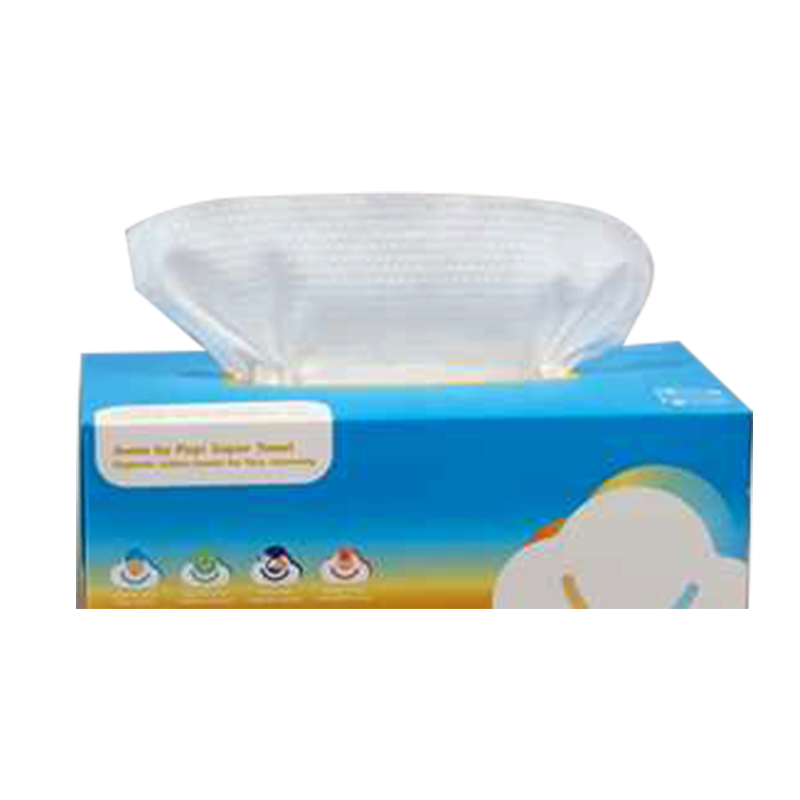 Disposable Cotton Face Towels in a Box for Single-Use CleansingThese premium long-staple cotton towels are free from fluorescent agents and chemical softeners, offering a soft, absorbent, and skin-friendly option for daily facial cleansing, especially when reusable cloths may harbor residue.View Product →
Technique matters more than the cloth. If you choose to use a reusable washcloth, these five steps prevent most of the problems described above. Use a fresh cloth every day, or wash the cloth at 60 degrees Celsius and let it dry completely before the next use.
| Temperature range | Practical result | Best for |
| Under 25 degrees C | Cold | Not recommended for daily cleansing |
| 25 to 32 degrees C | Cool | Safe and gentle for reactive or sensitive skin |
| 32 to 35 degrees C | Warm | Optimal for dissolving sunscreen and excess sebum |
| Above 40 degrees C | Hot | Strips ceramides, causes redness and dry patches |
After the final rinse, pat your face dry with the same cloth. Do not rub. The most common mistake is using the same damp cloth on the face and body; bacteria that are harmless on the back can provoke breakouts on the face.
When hygiene and consistency are the priority, a single-use face towel beats a reusable washcloth on every measurable variable except cost per use. The comparison below makes the margin easy to see.
The chart shows how bacteria build up over consecutive days compared with a towel used once and discarded.
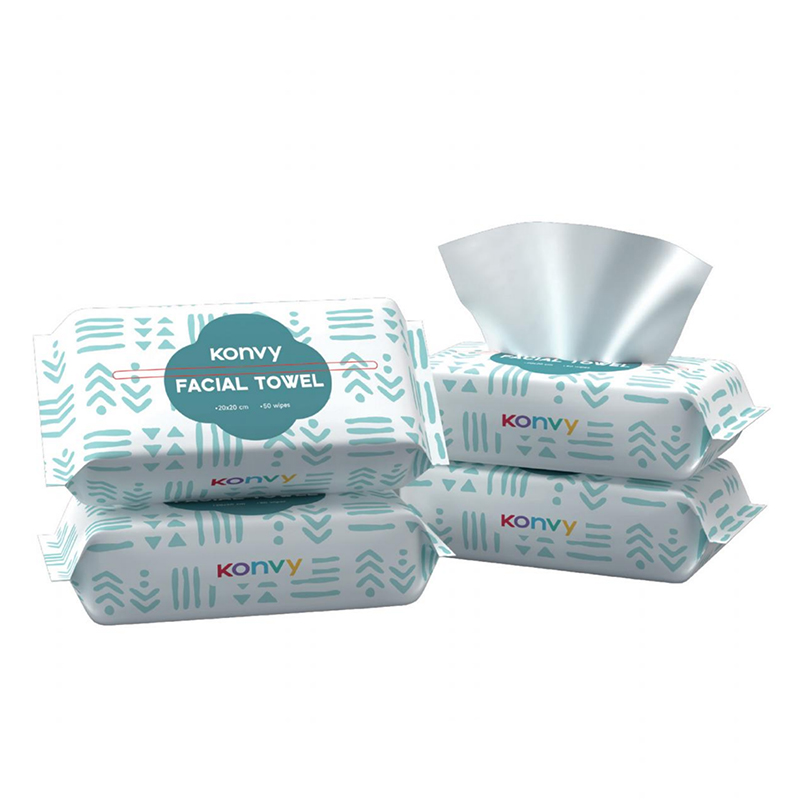 Plant Fiber Disposable Facial Towels 50 Sheets, 200x200mmMade from 100% plant fiber, these single-ply towels provide a gentle, disposable alternative for cleansing and makeup removal, suitable for sensitive skin, and help avoid bacterial buildup from reused cloths.View Product →
Your skin type and your laundry schedule should decide the answer. Acne-prone or reactive skin means single-use towels. Normal skin with a daily washing routine can still work with a carefully maintained cotton washcloth.
Jingde County Wanfang Articles Commodity Co., Ltd., operating as Wanfang Paper, manufactures a full line of single-use face towels in cotton and plant-fiber options. Their 200 x 200 mm cotton and plant-fiber sheets are designed for dry and wet use, offering the softness of a premium washcloth without the contamination cycle. For travel or daily use, the compact packs keep a clean surface within reach.
You can also compare these options with the reusable washcloth guidance in our how to use a disposable face towel effectively guide. If you prefer to judge by hand before ordering, visit the direct-sale store showroom to try the different fibers and sizes.
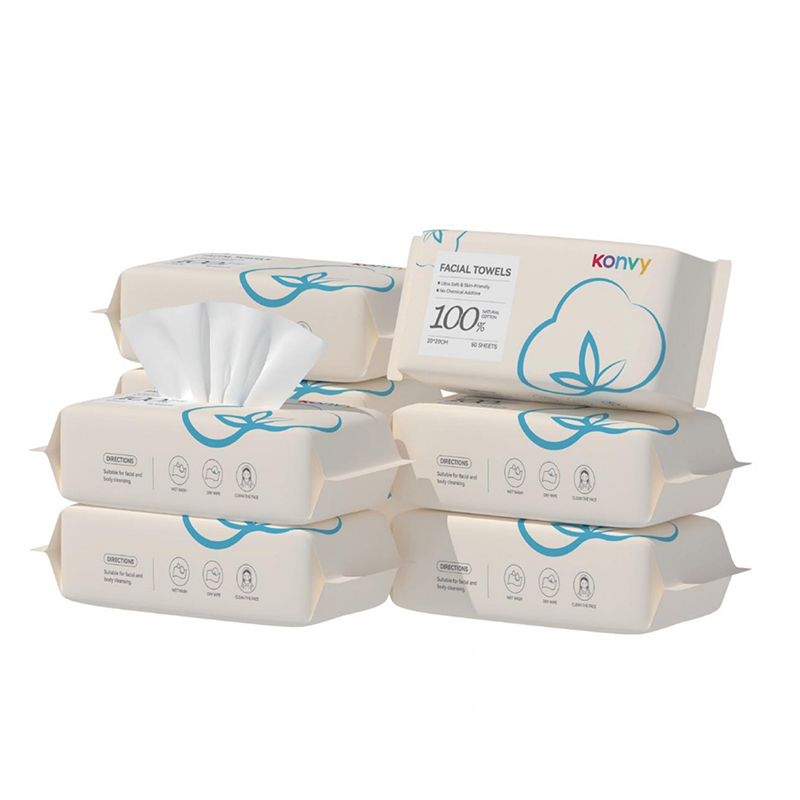 100% Cotton Disposable Facial Towels 50 Sheets, 200x200mmThese naturally soft cotton towels are disposable for hygienic facial care, ideal for cleansing and toning, offering a convenient single-use option that avoids the residue issues of reusable washcloths.View Product →
Wash it after every use if your skin is acne-prone, or every one to two days for normal skin. Use a 60 degree Celsius wash cycle and dry it fully in open air.
No. Hands are gentler and easier to sanitize. A washcloth adds mild exfoliation, but it also adds bacterial risk. Follow the technique and washing rules above if you still prefer a cloth.
Yes. A textured cotton or plant-fiber disposable towel gives enough light friction to lift dead skin cells without scrubbing too hard. Choose a 200 x 200 millimeter sheet for full face coverage.
Microfiber dries faster and absorbs less oil, but it still holds bacteria in synthetic fibers and needs daily washing. Tight-weave cotton is the better all-around choice for facial use.



 English
 日本語
日本語 русский
 Español
 عربى
عربى