
Our team is proud to offer on time guarantee and product guarantee to customer satisfaction.
Read MoreContent
Wet wipes are pre-moistened, single-use cloths designed for cleaning, sanitizing, or personal care. They consist of a nonwoven fabric substrate saturated with a liquid formulation and individually or collectively sealed in airtight packaging to prevent evaporation and contamination. The combination of mechanical cleaning action from the fabric and chemical cleaning or disinfecting action from the solution makes wet wipes more effective for many tasks than either a dry cloth or a liquid applied separately.
The substrate — the fabric portion of the wipe — is almost always a nonwoven material rather than woven textile. Nonwovens used in wet wipes are manufactured from fibers bonded by hydroentangling (spunlace), thermal bonding, or chemical bonding rather than weaving or knitting. Common fiber types include:
The liquid formulation — what the fabric is saturated with — defines the wipe's function. Personal care wipes use water as the primary component (typically 95–99% water by weight for baby wipes) with mild surfactants, humectants such as glycerin, and preservatives to maintain shelf stability. Disinfectant wipes use isopropyl alcohol (IPA) or ethanol at concentrations of 70–75% for broad-spectrum antimicrobial efficacy, or quaternary ammonium compounds (quats) in water-based formulations. Industrial cleaning wipes may use solvents, degreasers, or pH-adjusted solutions designed for specific surface or contamination types.
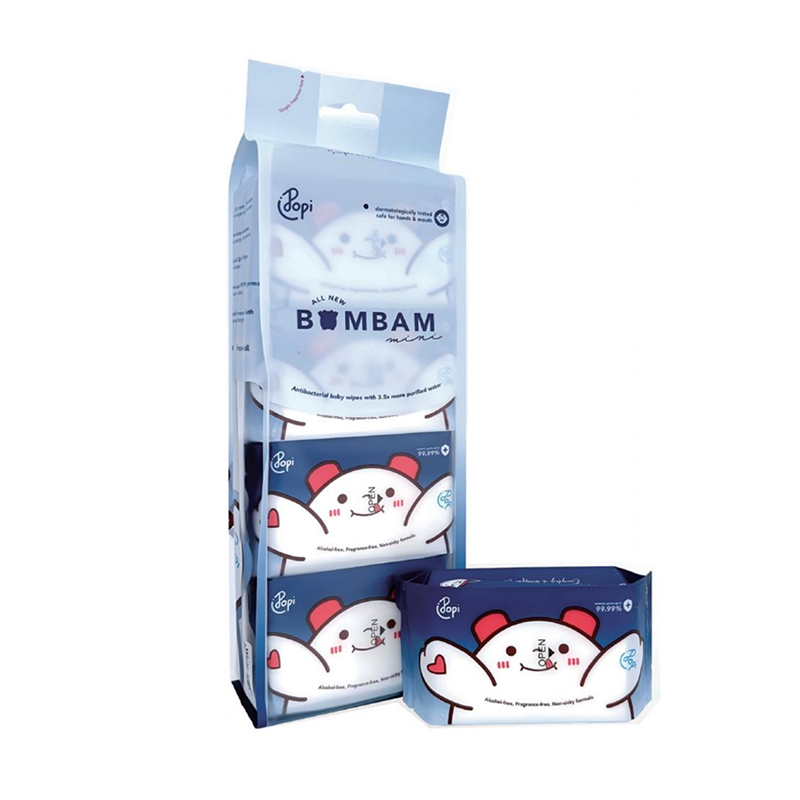
The wet wipes market spans a wide range of product categories, each formulated and structured for a distinct application. Using the wrong category of wipe — for example, using a household surface wipe on skin, or using a cosmetic wipe on a disinfectant-requiring surface — produces inferior results and may cause skin irritation or inadequate sanitization.
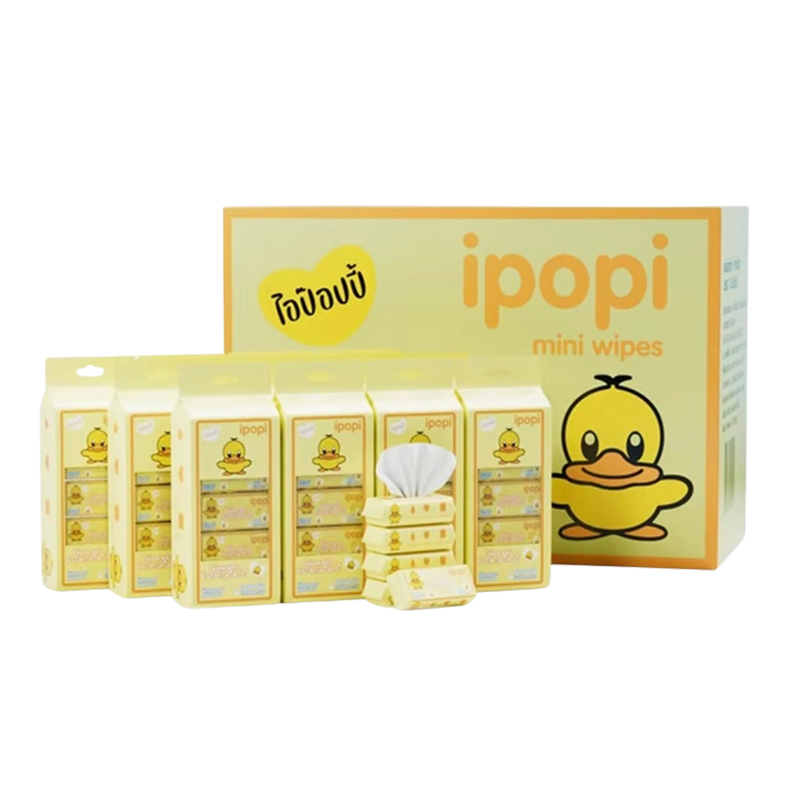
Baby wipes are the largest single category by volume globally. They are formulated for maximum gentleness on sensitive neonatal and infant skin, with dermatologically tested formulations typically free of alcohol, fragrance, and preservatives where possible. The pH of baby wipe solution is typically buffered to 5.5–6.5, matching infant skin pH, to avoid disrupting the acid mantle that protects against bacterial colonization. Substrate weight is typically 45–80 gsm with a soft texture that minimizes friction on skin. The European standard EN 16780 and equivalent national standards govern the safety assessment and labeling requirements for baby wipes in regulated markets.
Facial cleansing and makeup removal wipes use micellar technology or emollient-rich formulations that encapsulate and lift oil-based cosmetics, sunscreen, and waterproof products without requiring water rinsing. They are not a dermatological substitute for a full cleansing routine — micellar solution left on the skin without rinsing can cause long-term barrier disruption in some users — but they are a convenient option for travel, post-workout freshening, and single-use daily cleansing. Premium facial wipes use cotton or high-gsm viscose substrates to minimize mechanical irritation during makeup removal.
Antibacterial hand wipes and surface disinfectant wipes are distinct product categories with different regulatory requirements. Hand sanitizing wipes are classified as over-the-counter drug products in the US (regulated by FDA) and cosmetics or biocides in the EU, requiring formulation compliance and efficacy documentation at the claim level. Surface disinfectant wipes for hospital, food service, and household use are registered as pesticides with the EPA (US) or as biocidal products under BPR regulation (EU), and must carry registered kill claims against specific pathogens (e.g., SARS-CoV-2, MRSA, E. coli) substantiated by standardized efficacy tests. The contact time stated on the label — typically 30 seconds to 4 minutes — must be respected for the claimed disinfection to occur; wiping a surface and immediately drying it defeats the product's efficacy entirely.
Adult body wipes — including intimate hygiene wipes, freshening wipes, and post-exercise body wipes — serve as a practical substitute for showering in travel, outdoor, medical, or time-constrained situations. They are formulated with pH-appropriate solutions for the intended body area and use larger-format substrates (typically 20 cm × 30 cm or larger) than facial wipes. Intimate hygiene wipes require particular attention to pH and preservative selection; the vaginal microbiome is sensitive to pH disruption, and products marketed for intimate use should carry dermatological and gynecological testing documentation.
Industrial wet wipes address cleaning needs in manufacturing, electronics, healthcare, and maintenance settings that consumer wipes are not designed to meet. Electronics cleaning wipes use IPA-saturated lint-free polyester substrates for cleaning PCBs, screens, and optical surfaces without fiber residue. Medical surface wipes in healthcare settings use sporicidal formulations (containing sodium hypochlorite or hydrogen peroxide) that would be too aggressive for skin contact but are necessary for C. difficile or norovirus decontamination. Automotive and metalworking wipes use solvent or degreaser formulations on heavy-duty substrate to remove oils, adhesives, and coatings.
Yes — wet wipes are permitted in both carry-on and checked baggage on commercial flights in virtually all markets. However, the rules that govern how they are packed and in what quantities depend on the type of wipe, its liquid content, and whether it falls under the TSA's (or equivalent authority's) liquids, aerosols, and gels (LAG) rules.
The TSA's 3-1-1 rule limits liquids, gels, and aerosols in carry-on baggage to containers of 100 ml (3.4 oz) or less, all fitting in a single quart-sized clear bag. The critical question for wipes is whether they are classified as a liquid for screening purposes. The TSA's official guidance explicitly states that wet wipes — including baby wipes, disinfectant wipes, and personal hygiene wipes — are not subject to the 3-1-1 liquids rule. They can be packed in any quantity in carry-on baggage and do not need to go in the liquids bag.
This is consistent with the reasoning that wipes are a solid substrate saturated with liquid — they do not pour, flow, or present the same concealment or threat profile as free liquids. The same practical exception applies under the equivalent EU Regulation EC 1546/2006 and its successor regulations, UK aviation security rules post-Brexit, Transport Canada rules, and the rules of most other civil aviation authorities globally.
Disinfectant wipes containing isopropyl alcohol or ethanol above 70% concentration are technically a flammable material. In carry-on baggage, the TSA permits alcohol-based hand sanitizer wipes as part of the COVID-era relaxation of rules, but limits to a reasonable personal-use quantity apply. Large commercial quantities of alcohol wipes in carry-on baggage may trigger additional screening, and in checked baggage, flammable liquids above certain total volumes are regulated as dangerous goods under IATA Dangerous Goods Regulations (DGR). For travelers carrying personal-use quantities (a pack of 10–30 wipes), alcohol-based wipes present no practical restriction in either carry-on or checked baggage on commercial flights.
A few practical considerations for passengers traveling with wet wipes:
Wet wipes have attracted significant environmental criticism, and the issues are real — but they are specific to certain wipe types and disposal behaviors rather than universal to the category. Understanding the distinction helps consumers make informed purchasing decisions.
The fatberg problem is caused specifically by wipes flushed down toilets that contain synthetic fibers — polyester, polypropylene, or nylon. These fibers do not break down in sewer systems, combine with fats and oils to form large solid masses (fatbergs), and cause blockages in municipal wastewater infrastructure. The UK water industry estimates that 93% of sewer blockages are caused by wipes. No standard baby wipe, makeup wipe, or personal care wipe should be flushed regardless of whether the packaging says "flushable" — IWSFG (International Water Services Flushability Group) testing consistently shows that most products marketed as flushable do not disintegrate adequately in water to prevent sewer accumulation.
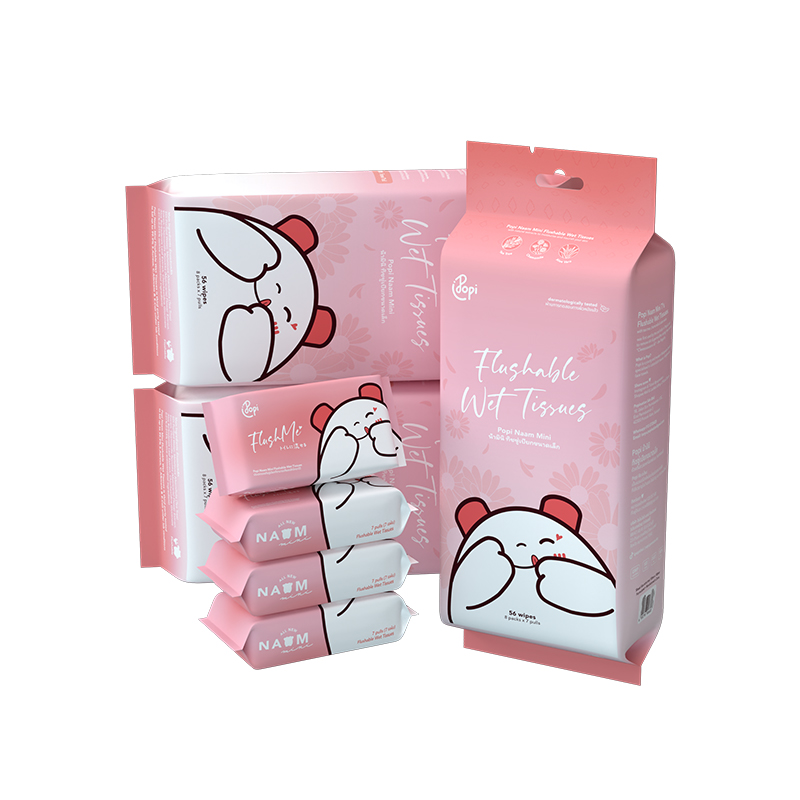
True flushable wipes exist and must meet IWSFG or INDA/EDANA GD4 flushability standard testing — requiring full fiber dispersal within 30 minutes in a controlled sewer simulation. These products use cellulose-only or hydroentangled wood-pulp substrates specifically designed to break apart in water. They are a small subset of the market and are generally more expensive than standard wipes.
On biodegradability: wipes made from 100% viscose (rayon) or cotton nonwoven substrates are biodegradable in industrial composting conditions and will break down in landfill over months to years. Synthetic fiber wipes (polyester, polypropylene) are not biodegradable under any standard disposal conditions and persist in landfill indefinitely. The fastest-growing segment in premium wipes is certified biodegradable wipes using viscose, bamboo fiber, or organic cotton substrates with water-based formulations free of persistent chemical preservatives, meeting EN 13432 (industrial compostability) or OK Biobased certification requirements.



 English
 日本語
日本語 русский
 Español
 عربى
عربى