
Our team is proud to offer on time guarantee and product guarantee to customer satisfaction.
Read MoreContent
Wet wipes — also called wet tissues, moist towelettes, or pre-moistened wipes — are single-use cloths pre-saturated with a liquid solution designed for cleaning, disinfecting, or personal hygiene. The term covers a wide range of products with different base materials, solution formulas, and intended uses, from baby wipes to industrial surface disinfectants.
The substrate — the physical cloth itself — is most commonly a nonwoven fabric made from one or more of the following fibers:
The moistening solution — what wet wipes contain — varies significantly by product category. The base is almost always purified water, typically making up 90–99% of the solution by weight. Common additional ingredients include:
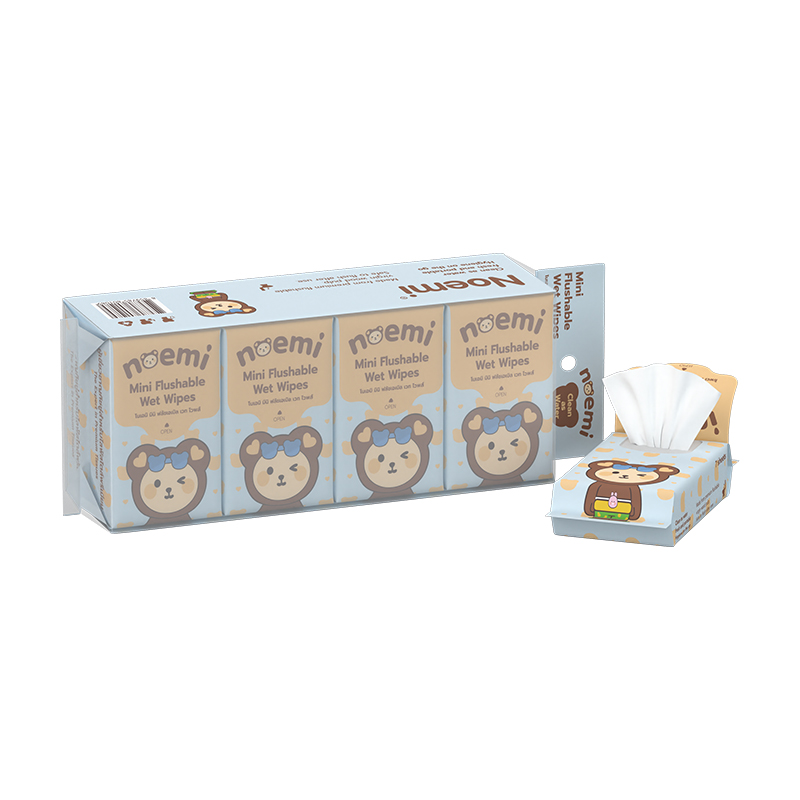
Wet wipes are one of the most versatile single-use products in common use. The same basic format — moistened nonwoven cloth in a resealable pack — is adapted across a broad range of applications by changing the substrate weight, solution formula, and wipe dimensions.
Personal hygiene is the largest use category. Baby wipes are the best-known example — designed for gentle cleansing of infant skin during diaper changes — but adult personal hygiene wipes, feminine hygiene wipes, and post-toilet cleansing wipes all serve similar functions for different demographics. These wipes are formulated to be pH-balanced for skin contact, free from harsh surfactants, and gentle enough for repeated daily use on sensitive areas.
Hand wipes — including the well-known Wet Ones brand — are designed specifically for cleaning hands when soap and water aren't available. They remove dirt, grease, and some surface bacteria effectively for on-the-go situations: travel, outdoor dining, public transport, childcare, and food handling. Antibacterial variants add benzalkonium chloride or a similar active to extend germ-killing performance beyond simple mechanical removal.
Cleaning wet wipes — distinct from personal care wipes — are formulated for hard surface cleaning and disinfection. Kitchen counter wipes, bathroom surface wipes, and healthcare-grade disinfectant wipes fall into this category. They typically contain active biocides and are not intended for skin contact. Using a surface disinfecting wipe on skin can cause irritation, dryness, or chemical sensitivity reactions.
Facial wipes and makeup remover wipes are formulated specifically for face use — thinner substrate, milder surfactants, and often enriched with skin care actives like micellar water, vitamin E, or soothing botanicals. They serve as a quick cleanse option, particularly for makeup removal, but most dermatologists note they work best as a first step followed by a proper rinse rather than a standalone cleansing routine.
Beyond the above, wet wipes are used in medical and clinical settings for patient hygiene, wound prep, and equipment surface disinfection; in industrial settings for equipment cleaning and solvent application; and in food service for sanitizing food contact surfaces. Each application has specific regulatory and formulation requirements distinct from consumer personal care products.
The best wet wipes for hands depend on the use context — quick freshening, heavy soil removal, or germ reduction all call for slightly different formulations. A few criteria apply across all quality hand wipes:
Individual wrapped wipes — single sachets — are the most practical format for travel, lunchboxes, and outdoor use where a full pack is impractical to carry. They stay fully moist until opened and take up minimal space.
Whether you can safely use wet wipes on your face depends entirely on which type of wipe you're using. Not all wet wipes are formulated for facial skin, and using the wrong product can cause irritation, breakouts, or allergic reactions.
Wipes that are generally safe for face use include dedicated facial cleansing wipes, micellar wipes, baby wipes (which are formulated for sensitive skin), and some gentle hand wipes labeled as alcohol-free and fragrance-free. These products are pH-balanced for skin, free from harsh surfactants, and tested for dermal tolerance.
Wipes that should not be used on the face include surface disinfectant wipes, household cleaning wipes, antibacterial wipes containing high concentrations of alcohol or quaternary ammonium compounds, and industrial wipes of any kind. These contain active ingredients at concentrations appropriate for hard surfaces — not the delicate skin barrier of the face.
Regarding Wet Ones specifically: the original Wet Ones hand wipes are formulated with benzalkonium chloride as an active, which is effective for hands but can be irritating to facial skin with repeated use, particularly around the eyes and mouth. Wet Ones does make sensitive skin and fragrance-free variants which are gentler, but the brand's primary hand wipe range is not optimized for face use. For occasional emergency use — removing visible dirt or sunscreen away from home — it's generally fine. As a daily facial cleansing routine, a dedicated facial wipe is the better choice.
Hand wipes — including Wet Ones and similar products — can be used for post-toilet cleansing in the same way as dedicated flushable wipes or moist toilet tissue, and many people find them more effective at cleaning than dry toilet paper alone. The formulation concern is minimal: most hand wipes are gentle enough for use on the perianal area, though fragrance-free variants are preferable to avoid potential irritation on sensitive skin.
The critical point is disposal. Standard hand wipes, baby wipes, and most wet wipes are not flushable — regardless of what the packaging says unless it carries a certified flushable mark (such as INDA/EDANA's Fine to Flush standard). Non-dispersible wipes do not break down in water and are a leading cause of sewer blockages and fatbergs. The correct disposal method is to place used wipes in the bin, not the toilet.
Products genuinely designed and certified as flushable use a dispersible substrate that breaks apart in water within minutes, similar to toilet paper. These are a distinct product category from standard wet wipes and are specifically engineered for toilet disposal. Even certified flushable wipes should be used sparingly in older or low-flow plumbing systems.
Pack sizing and usage estimates vary significantly by application. A few practical benchmarks:
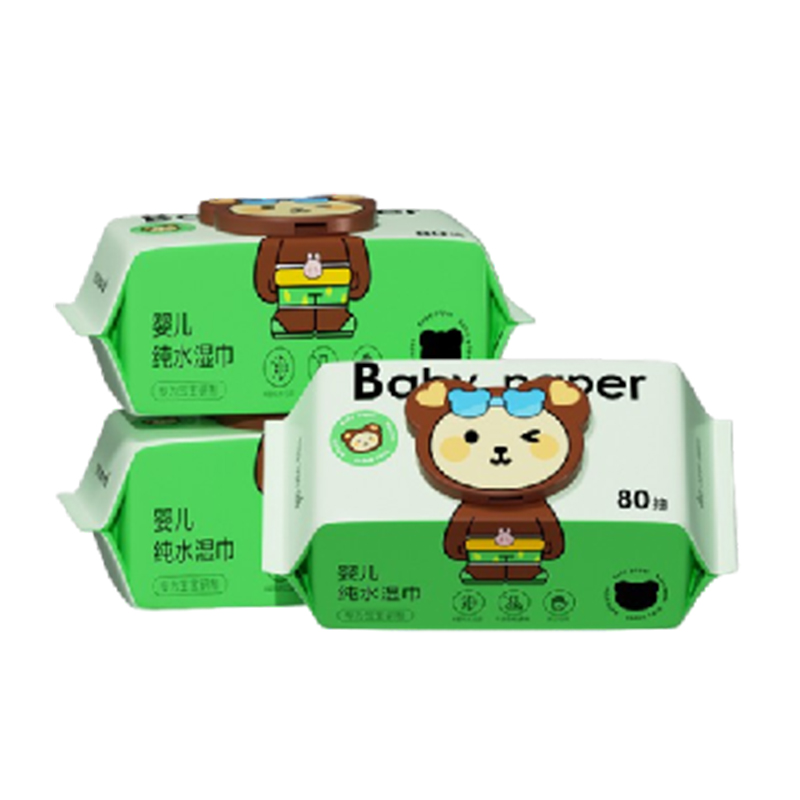
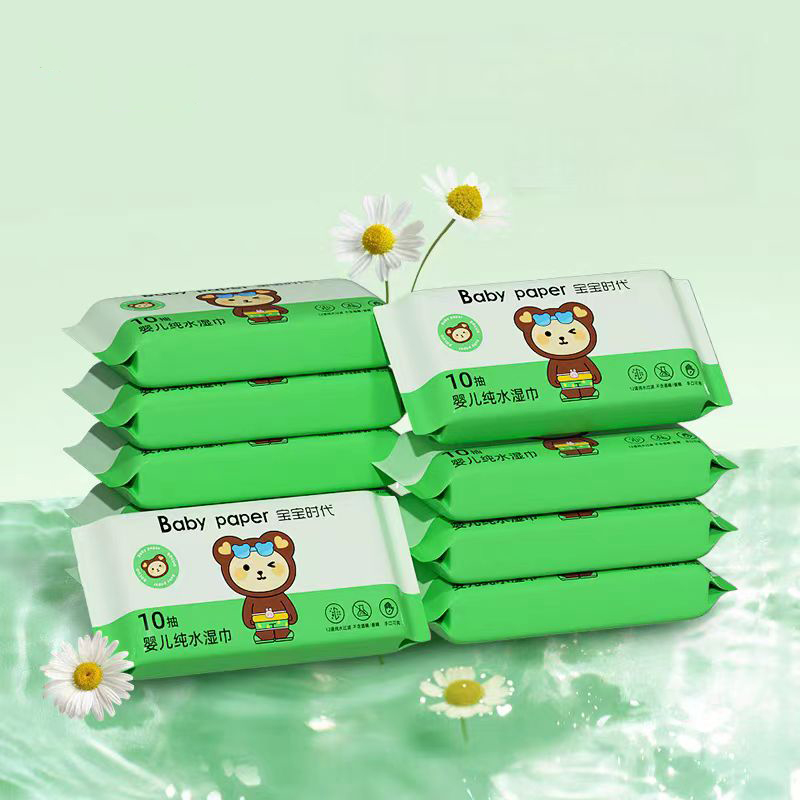
One general principle: the biggest waste in wipe usage is packs drying out before they're finished. Match pack size to realistic usage frequency — a 10-count travel pack for occasional use, a 80-count resealable tub for daily household use. Once a pack has dried out, adding a small amount of distilled water can partially revive it, though the preservative concentration will be diluted.
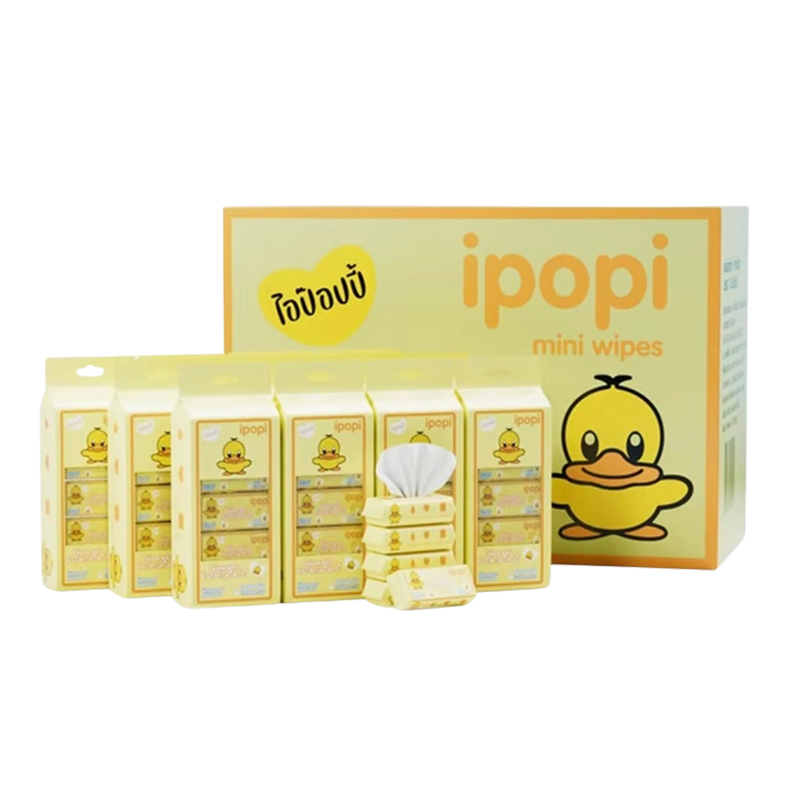
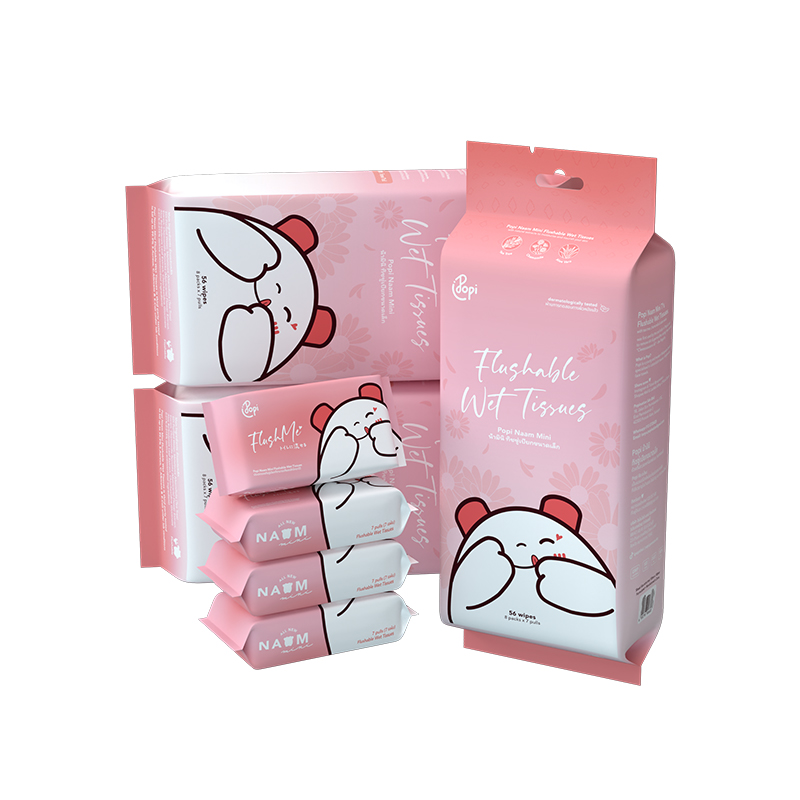



 English
 日本語
日本語 русский
 Español
 عربى
عربى