
Our team is proud to offer on time guarantee and product guarantee to customer satisfaction.
Read MoreA washcloth is a small square of absorbent fabric, usually about 30 by 30 centimeters, that you wet before washing skin, hands, or a surface.
Ask what a washcloth is used for and most people answer bathing, yet the same square also removes makeup, cleans a baby's face, cools a fever, and wipes a kitchen counter. Material choice decides which of those jobs it does well. Dense cotton terry scrubs and holds water, while a thin spunlace nonwoven disposable sheet stays gentler on compromised skin and never sits damp in a shower.
Content
A washcloth is used wet, as a layer of fabric that carries water and soap to a surface and then lifts away dirt, oil, and dead skin cells through friction. That single function covers more ground than most people expect:
In the bath or shower, a washcloth outperforms a bare hand for three reasons: friction, lather retention, and reach.
Friction matters most. Skin cells and sunscreen bind to the skin surface, and plain water will not lift them. The raised loops of a terry cloth create thousands of contact points that shear that layer loose. Lather retention is the second factor, because soap sits inside the pile instead of running off, so one application of body wash keeps working across a full arm. Reach explains the third: a folded cloth cleans behind the ears, between the toes, and along the spine, spots most people miss with their palms.
The hygiene side is less comfortable but more important. A damp cloth left in a shower collects skin cells, soap residue, and moisture, which is exactly what bacteria need. Use a fresh cloth for each bath or shower, launder at 60 degrees Celsius after any contact with broken skin, and never share one between family members.
A washcloth and a bath towel are not interchangeable, and the difference matters most to anyone buying for a hotel, clinic, or large household.
| Attribute | Washcloth | Bath towel | Disposable face towel |
| Typical size | 30 x 30 cm | 70 x 140 cm | 20 x 20 cm |
| Used wet | Yes, its main job | Rarely | Yes, single use |
| Reuse | 1 to 3 washes | 3 to 7 uses | None |
| Best for | Face, body, babies, cleaning | Drying after washing | Sensitive skin, travel, makeup |
| Drying time | 1 to 2 hours | 3 to 6 hours | Not applicable |
The practical takeaway: keep anything that touches your face small and wash it often, and let a larger towel do the drying job it was designed for. Disposable face towels exist because the washing step is where most people fail, not because nonwoven fabric cleans better than cotton.
For babies and sensitive skin, the cloth matters more than the cleanser for the first few months.
Newborn skin is roughly 30 percent thinner than adult skin, so friction that feels pleasant on an adult forearm can irritate a baby's cheeks and diaper area. Guidance for the first weeks is plain warm water and a soft, small cloth, with soap reserved for the diaper area. Muslin, bamboo viscose, and low-lint nonwoven fabrics stay soft after repeated washing, which is why they dominate baby care. Clinics use disposable washcloths for the opposite reason: one patient, one cloth, and no laundering loop to manage between rooms.
For a closer look at fabric construction, the types and benefits of disposable face towels breaks down ply, fiber, and surface texture in plain terms.
 Non-Woven Disposable Dry&Wet Facial Cleansing TowelsIntroducing our 70 - count non - woven disposable facial cleansing towels! These towels offer dual-use convenience: you can hang them up for easy dispensing, making th...View Product →
Outside the bathroom, washcloths handle jobs that paper towels do badly because a cloth can be rinsed and reused within a single task.
Keep the categories separate. A cloth used on floors or with cleaning chemicals should never return to the bathroom stack, and color coding by room is the simplest way to enforce that.
Reusable cotton wins on cost per use, disposable nonwoven wins on hygiene and convenience away from home, and the crossover point sits around three uses per cloth.
Run the numbers honestly. A 400 gsm cotton washcloth priced at about 3 dollars and washed 150 times costs roughly 2 cents per use before water and energy. A boxed disposable face towel runs about 4 to 8 cents per sheet. Reusable wins in a home with a washing machine. Disposable wins when skin is irritated, when water is limited, or when one fresh cloth per person per day is the only realistic way to keep hygiene consistent.
Manufacturers publish the details that matter for bulk buying. Wanfang Paper, the brand name used by Jingde County Wanfang Articles Commodity Co., Ltd, lists fabric weight, sheet count, and dimensions on its disposable face towel pages, which is the information to compare before committing to a case quantity.
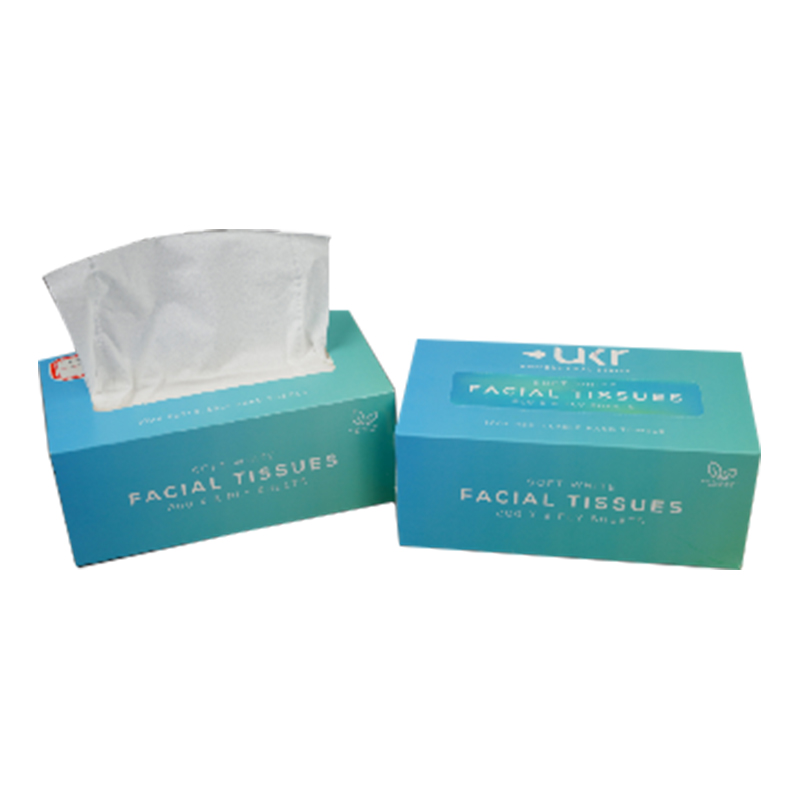 Boxed ultra-soft disposable face washclothsThe boxed ultra-soft disposable face wash towel is made of high-quality fibers, with a soft touch that reduces friction. It can be used with confidence even for sensit...View Product →
Four specifications decide how a washcloth performs: weight, fiber, weave, and size.
Weight predicts absorbency and durability. Below 300 gsm a cloth feels thin and wears through within months. Between 400 and 500 gsm suits daily face and body use. Above 600 gsm feels plush but takes hours to dry and holds moisture longer between washes.
Long staple cotton and bamboo viscose stay soft after dozens of washes, which matters for facial use. Shorter staple cotton and recycled blends feel rougher sooner, which is fine for cleaning cloths and hard on sensitive skin. Spunlace nonwoven, the material behind disposable face towels, holds its shape for a single session.
Terry loop is the standard for body washing, waffle weave dries faster and scrubs harder, and muslin suits newborn skin. A 30 by 30 centimeter square fits an adult hand, while 20 centimeter cloths suit babies and makeup removal. A finished dobby or serged edge survives repeat laundering; a raw cut edge frays by the tenth wash.
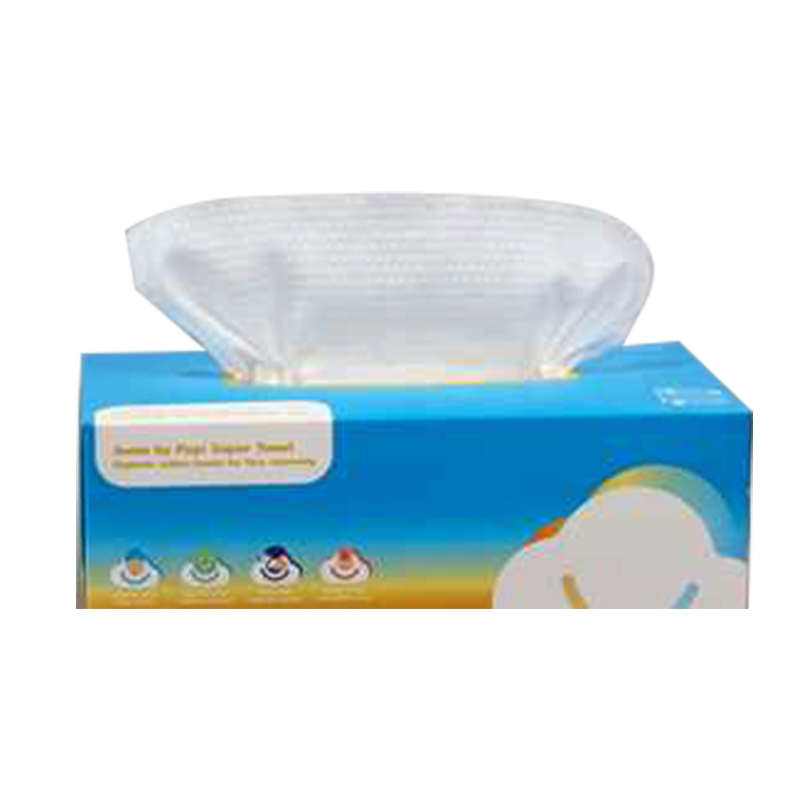 Boxed disposable cotton soft removable face towelThe Boxed Disposable Cotton Soft Removable Face Towel is made from premium long-staple cotton sourced from high-quality production regions. Known for its long fibers, ...View Product →
A washcloth is used wet to wash skin and surfaces. Its main jobs are bathing, face washing, exfoliation, makeup removal, baby care, compresses, and household cleaning such as wiping counters and blinds.
Yes for hygiene and control. A washcloth can be laundered at 60 degrees Celsius after every use, while a loofah traps shed skin cells in its core and is difficult to clean fully. A cloth also lets you control pressure, which matters on acne-prone skin.
Launder it after every one to three uses and replace it when the fabric thins or the edges fray, typically after 50 to 100 washes for mid-weight cotton. Cheap 200 gsm cloths often fail within a few months of daily use.
Yes, if the fabric is soft and you use light pressure. People with active acne, eczema, or rosacea should switch to a gentler option such as a low-lint disposable face towel or muslin cloth until the skin settles.



 English
 日本語
 русский
 Español
 عربى