
Our team is proud to offer on time guarantee and product guarantee to customer satisfaction.
Read MoreContent
The Transportation Security Administration explicitly permits all types of wipes in carry-on luggage without applying the 3-4 ounce liquid restriction. This includes baby wipes, disinfecting wipes, makeup wipes, and general wet wipes. The TSA classifies these items as solids rather than liquids because the moisture is bound within the wipe material rather than existing as free-flowing fluid. Travelers can pack full-size packages, travel-size packs, or individually wrapped single wipes in any quantity. There is no requirement to place wipes inside the quart-sized liquids bag, and they do not count toward the one-quart bag limit. This exemption makes wipes one of the most versatile and unrestricted hygiene items for air travel, particularly valuable for families with infants, passengers with medical needs, and travelers concerned about surface cleanliness during flights.
The practical implication of this rule is significant for packing strategy. While shampoos, lotions, and liquid hand sanitizers must each remain in containers of 3.4 ounces or less and fit within a single quart bag, wipes bypass these constraints entirely. A passenger can carry a 240-count package of baby wipes, a container of 75 disinfecting wipes, and a pack of 30 makeup remover wipes simultaneously without violating any TSA regulation. The TSA official What Can I Bring list confirms that wet wipes, makeup wipes, and disinfecting wipes are all permitted in both carry-on and checked baggage. The only caveat is that TSA officers retain final discretion at security checkpoints, and large wipe packages may trigger additional screening because dense packaging can obscure X-ray images.
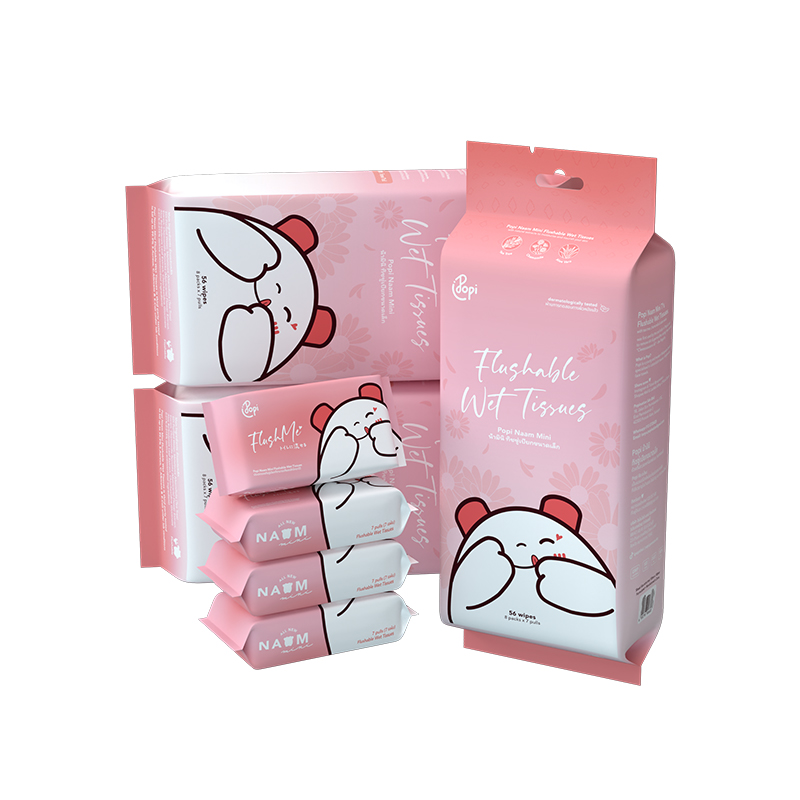
The TSA 3-1-1 rule restricts liquids, gels, aerosols, creams, and pastes to containers of 3.4 ounces or less, with all containers fitting inside one quart-sized clear bag per passenger. Wipes fall outside this classification because the liquid component is absorbed into a solid substrate rather than flowing freely. A wet wipe contains moisture but does not pour, spread, or take the shape of its container in the way that shampoo or hand sanitizer does. This physical distinction places wipes in the same category as solid bar soap, stick deodorant, and powder makeup, all of which are exempt from liquid restrictions. The TSA website specifically addresses this distinction, noting that makeup wipes and baby wipes are considered solid items even though they are moist.
This classification creates a strategic advantage for travelers. Instead of dedicating precious quart-bag space to liquid makeup remover or hand sanitizer, passengers can substitute wipes and reserve their liquid allowance for items that have no solid alternative. A 30-pack of makeup wipes replaces a 3.4-ounce bottle of liquid remover, freeing bag space for contact lens solution, prescription medications, or other essential liquids. Similarly, disinfecting wipes with 70% isopropyl alcohol deliver the same germ-killing efficacy as liquid hand sanitizer without consuming any of the liquid quota. For long-haul flights, this substitution strategy allows travelers to maintain comprehensive hygiene routines while fully complying with security regulations.
Disinfecting wipes offer practical advantages over travel-sized hand sanitizer gel for in-flight surface cleaning. A single alcohol wipe delivers consistent 70% to 91% alcohol concentration with mechanical friction, achieving a 99.9% reduction of common pathogens within 30 seconds. Hand sanitizer gel, by contrast, often dries in 15 to 25 seconds on airplane tray tables due to low cabin humidity, which is insufficient for full virucidal action. Wipes also avoid the sticky residue that some gel formulations leave on surfaces, and they require no secondary wiping step. From a packing perspective, a container of 75 disinfecting wipes occupies roughly the same space as two 3.4-ounce sanitizer bottles but provides significantly more applications. The TSA confirms that disinfecting wipes face no size limitations, whereas hand sanitizer remains subject to the 3.4-ounce container limit unless travelers use the temporary exemption that allows up to 12 ounces of sanitizer in carry-on bags.
Different wipe categories serve distinct purposes during travel, and all remain equally permitted in carry-on baggage. Baby wipes remain essential for families with infants, providing gentle cleansing for diaper changes, hand wiping, and face cleaning. Standard baby wipe packages range from 16-count travel packs to 240-count bulk containers, and all sizes are allowed. Makeup remover wipes dissolve cosmetics and sunscreen without requiring liquid cleansers, with formulations available for sensitive skin, waterproof mascara removal, and exfoliating applications. Disinfecting wipes containing quaternary ammonium compounds or alcohol solutions sanitize airplane tray tables, armrests, seatbelt buckles, and hotel room surfaces. General-purpose wet wipes serve as all-in-one refreshment tools for long flights, particularly on routes where shower facilities are unavailable during layovers.
Scented wipes are also permitted, though travelers should consider fellow passengers who may have allergies or scent sensitivities. Mild or unscented varieties minimize the risk of discomfort to nearby travelers. Individually wrapped single wipes offer particular advantages for air travel because they stay fresh, take up minimal space, and eliminate the risk of an entire package drying out if the resealable closure fails. Both individually wrapped and bulk-packaged wipes pass through security without issue. The key is ensuring that wipes remain in their original packaging or a clearly labeled resealable bag so TSA officers can quickly identify the contents during X-ray screening.
| Wipe Type | Primary Use | Typical Package Size | TSA Status |
|---|---|---|---|
| Baby Wipes | Infant care and general cleaning | 16 to 240 count | Permitted unlimited |
| Makeup Wipes | Cosmetic removal and facial cleansing | 25 to 60 count | Permitted unlimited |
| Disinfecting Wipes | Surface sanitization | 35 to 75 count | Permitted unlimited |
| General Wet Wipes | Personal refreshment and hand cleaning | 10 to 100 count | Permitted unlimited |
While wipes face no quantity restrictions, smart packing reduces the likelihood of secondary screening delays. Large bulk packages of wipes can appear as dense masses on X-ray machines, potentially prompting TSA officers to request bag inspection. To minimize this risk, travelers should distribute wipes throughout their carry-on rather than concentrating all packages in one location. Placing one pack in a personal item such as a purse or laptop bag, another in the main carry-on, and individually wrapped singles in jacket pockets spreads the visual density and simplifies identification. Keeping wipes in original packaging with visible labeling helps officers recognize the contents immediately if manual inspection becomes necessary.
Travelers should also consider accessibility during the flight. Wipes stored in overhead bins are difficult to reach during taxi, takeoff, and landing when seatbelt signs remain illuminated. Keeping a small travel pack or a few individually wrapped wipes in the personal item stored under the seat ensures availability throughout the flight without requiring bin access. Resealable packaging maintains moisture during multi-day trips, and zip-top bags provide an extra moisture barrier for opened packages. If a wipe package includes an attached liquid spray bottle, the spray component must comply with the 3-1-1 rule while the wipes themselves remain unrestricted. Separating the spray bottle into the liquids bag and packing only the wipes eliminates any potential confusion at security.
Although the TSA website clearly states that wipes are permitted, individual officers retain final authority at security checkpoints. Travelers who encounter questions about their wipes can reference the official TSA What Can I Bring page, which lists wet wipes, makeup wipes, and disinfecting wipes as explicitly allowed items. Screenshotting or printing this information before travel provides immediate documentation if needed. In practice, wipes rarely cause issues because they are common travel items that officers encounter daily. The most frequent reason for secondary inspection is oversized packaging that obscures other items in the X-ray image rather than any concern about the wipes themselves. Remaining cooperative and prepared to open packages for visual verification resolves virtually all screening situations promptly.
International travelers should verify that destination countries permit the import of wipes containing specific active ingredients. While the TSA allows disinfecting wipes with alcohol or quaternary ammonium compounds, some nations restrict the entry of products containing certain chemicals due to environmental or health regulations. Japan, Australia, and European Union countries generally follow similar guidelines to the TSA and permit standard wipe types for personal use. However, wipes marketed as pesticides or containing high concentrations of specific biocides may face customs scrutiny. The quantity of wipes should remain reasonable for personal use during the trip, as excessively large quantities might raise questions about commercial importation intent.
Environmental regulations also affect wipe disposal and selection in some destinations. The United Kingdom and several European countries have implemented restrictions on non-biodegradable wipes due to their contribution to sewer system blockages and marine pollution. Travelers visiting these regions should consider biodegradable or flushable alternatives if they plan to dispose of wipes through local waste systems. Many international airports provide wipes at security checkpoints or in restrooms, but carrying personal supplies ensures availability during long layovers and on budget carriers that may not provide complimentary amenities. The general principle remains consistent across most jurisdictions: wipes for personal hygiene and surface cleaning are permitted in carry-on baggage without liquid restrictions.
Using wipes during flights is permitted by all major airlines, though disposal etiquette varies slightly between carriers. Used wipes should be discarded in seatback trash pockets or restroom waste bins rather than flushed, as aircraft vacuum toilet systems can clog from non-dissolving wipe materials. Flight attendants generally appreciate passengers who use wipes for personal hygiene and surface cleaning, particularly on long-haul routes where shower facilities are unavailable. Unscented or mildly scented wipes are preferable to strong fragrances that might disturb nearby passengers in the confined cabin environment.
Airlines do not impose additional restrictions beyond TSA guidelines for wipes in carry-on baggage. Low-cost carriers with strict carry-on weight limits may count the total weight of a wipe package against the passenger allowance, but this is an airline-specific policy unrelated to security regulations. Passengers traveling with infants should note that most airlines allow diaper changing in lavatories only, and baby wipes are essential supplies for these situations. Some premium carriers provide complimentary hot towels or sanitizing wipes in business and first class, but economy passengers should carry their own supplies. The convenience of having wipes readily accessible in a personal item under the seat cannot be overstated, particularly during turbulence when overhead bin access is restricted.



 English
 日本語
日本語 русский
 Español
 عربى
عربى