
Our team is proud to offer on time guarantee and product guarantee to customer satisfaction.
Read More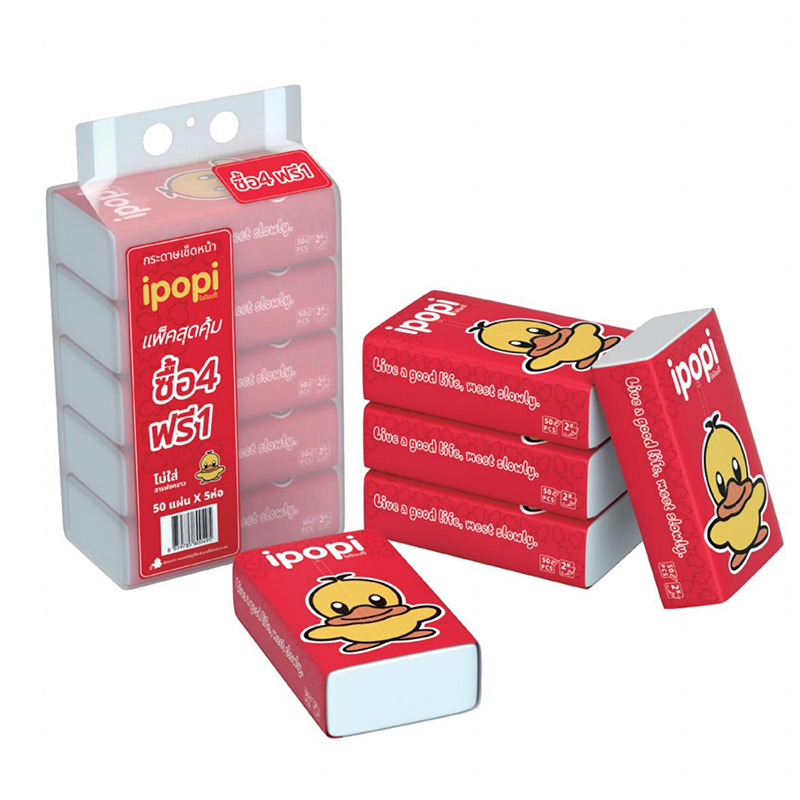



Kitchen paper either holds together when it meets a puddle of cooking oil or it collapses into wet pulp in your hand, and that outcome is settled at...
View MoreEvery morning, millions of people wet a cotton cloth, scrub their face, and hang it back in the bathroom. The problem is that this routine leaves oi...
View MoreWhen a purchasing manager opens a tissue paper specification sheet, the category rarely appears as a single item. The form breaks it into facial tis...
View MoreThe average face towel in a shared bathroom accumulates more bacteria after three days of use than a toilet seat in the same room. Most people reach...
View MoreMost consumers evaluate tissue by touch, but buyers sourcing at volume need a more precise framework. Three interdependent specifications determine the actual performance of any tissue product: ply count, gsm per ply, and sheet dimensions.
Ply count refers to the number of individual paper layers bonded together in each sheet. Standard facial tissue runs 2–3 ply; premium soft tissue reaches 4–5 ply. More plies generally means a thicker, more cushioned feel — but only when combined with an appropriate gsm. A 4-ply tissue built from very low-gsm layers can feel thinner than a well-constructed 2-ply.
GSM (grams per square meter) measures the weight of each individual ply. In tissue manufacturing, gsm typically ranges from 11.5g to 17g per ply. Higher gsm per ply produces a denser, more absorbent sheet with better wet strength. Lower gsm plies are lighter and softer but tear more easily when wet. For Disposable Clean Soft Rectangle Tissue, the combination of 3 ply at 17gsm represents a widely used benchmark for household facial tissue — balancing softness, durability, and production cost.
Sheet dimensions affect both the consumer use experience and carton loading efficiency. Standard facial tissue dimensions cluster around 193×200mm and 200×200mm for larger formats, with compact variants running 175×140mm or 180×140mm. A larger sheet delivers more coverage per pull but increases material cost per pack. For buyers entering a new retail market, matching sheet dimensions to locally established category norms reduces the risk of consumer rejection based on unfamiliar sizing. Jingde County Wanfang Articles Commodity Co., Ltd. produces tissue across a full range of sheet sizes, supporting buyers who need to match specifications to specific regional markets.
The raw material used to manufacture tissue paper directly affects brightness, softness, and the sustainability claims available to the finished product. Understanding the tradeoffs helps buyers align material selection with both product positioning and target market requirements.
Virgin wood pulp produces tissue with higher brightness (whiteness), greater softness, and more consistent sheet strength. It is the standard raw material for premium and mid-market facial tissue, lotion-infused soft tissue, and any product where skin contact comfort is a primary purchasing driver. Virgin pulp tissue is also easier to emboss and texturize during manufacturing, supporting differentiated product aesthetics.
Recycled fiber tissue trades some softness and brightness for a lower raw material cost and the ability to carry recycled-content claims on pack. In retail markets with active sustainability agendas — particularly Western Europe and parts of North America — recycled tissue is a viable positioning choice for value-tier and eco-labeled private label ranges. The key sourcing consideration is fiber quality: post-consumer recycled pulp varies significantly in brightness and cleanliness across suppliers, making mill-level documentation important.
A third option — blended pulp with a percentage of lotion or softening additive — sits between the two on the performance curve. Lotion-infused virgin pulp tissue (typically with added skin-conditioning agents) targets the sensitive-skin and premium household segment, commanding higher retail price points in markets such as the United States, Australia, and Japan. The lotion content increases pack weight slightly and requires additional formulation controls during manufacturing to ensure consistent application across the sheet.
The format a tissue product takes — box, soft pack, hanging pack, or pocket pack — is not purely aesthetic. Each format reflects a specific use environment, retail channel, and consumer behavior pattern. Buyers developing a tissue range benefit from understanding the commercial logic behind each format before committing to a SKU architecture.
Box tissue is the living room and office desk format. The rigid box provides structure on flat surfaces, enables high-quality print finishes for brand differentiation, and dispenses one sheet at a time reliably. Box tissue commands a shelf price premium over equivalent soft packs and is the format most associated with gifting, seasonal packaging, and brand-building in the tissue category. Sheet counts of 100–120 per box are the most common retail configuration.
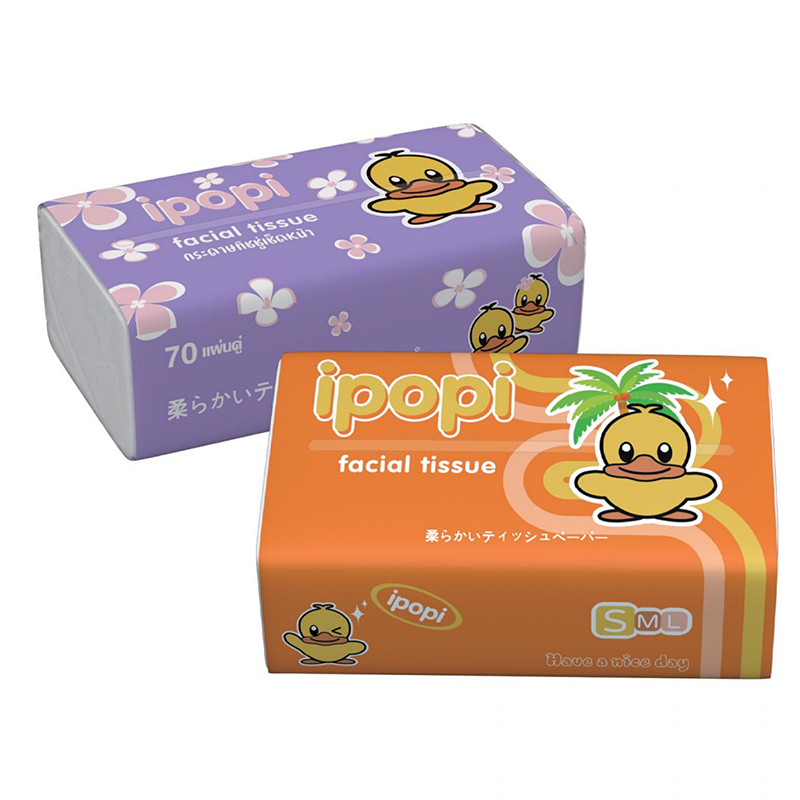
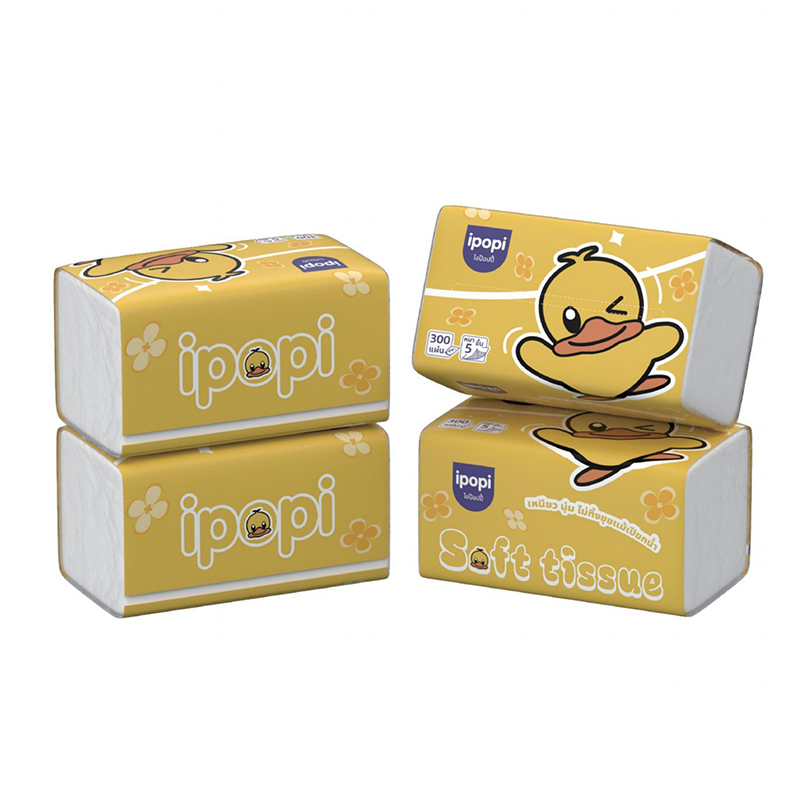
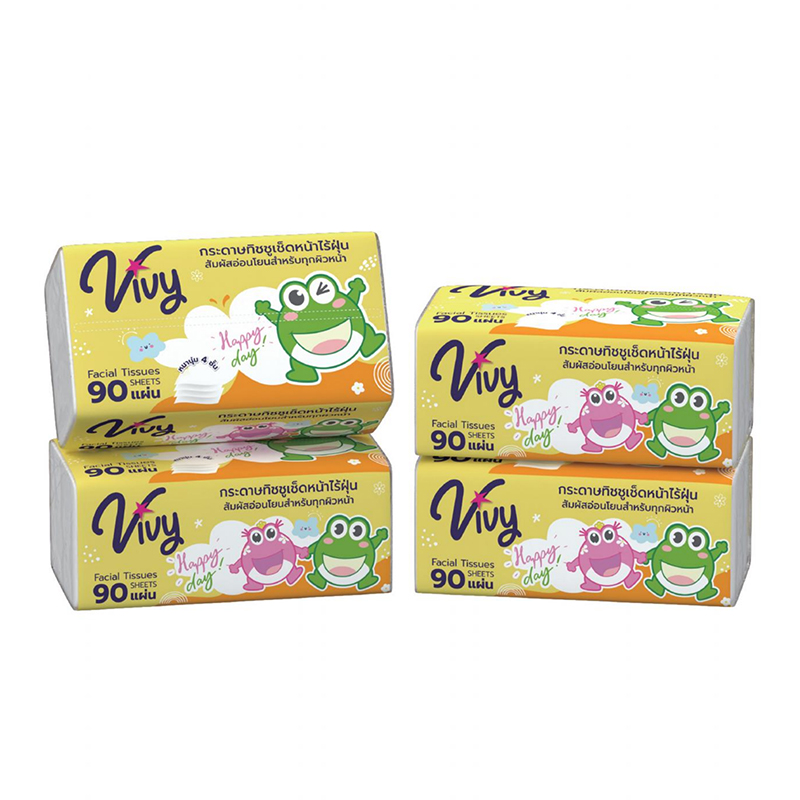
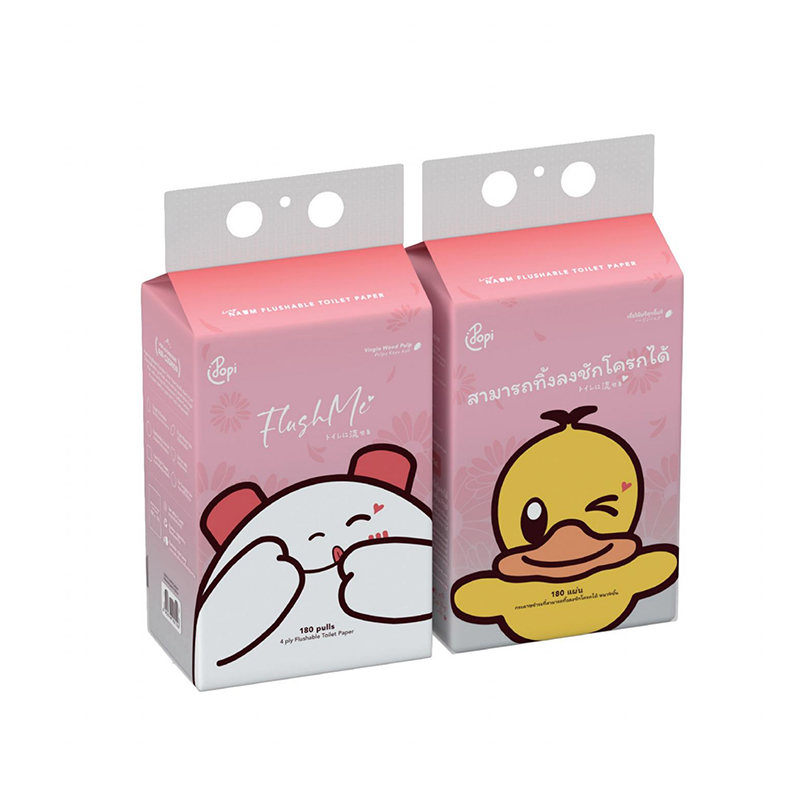
Soft pack bagged tissue is the high-volume household format. Lower packaging cost per unit, greater flexibility in sheet count configuration (40 to 240 sheets per pack), and compact storage make this the dominant format in Asian and Southeast Asian retail markets. The Viy brand's strong performance in Thai supermarkets and department stores is built primarily on this format.
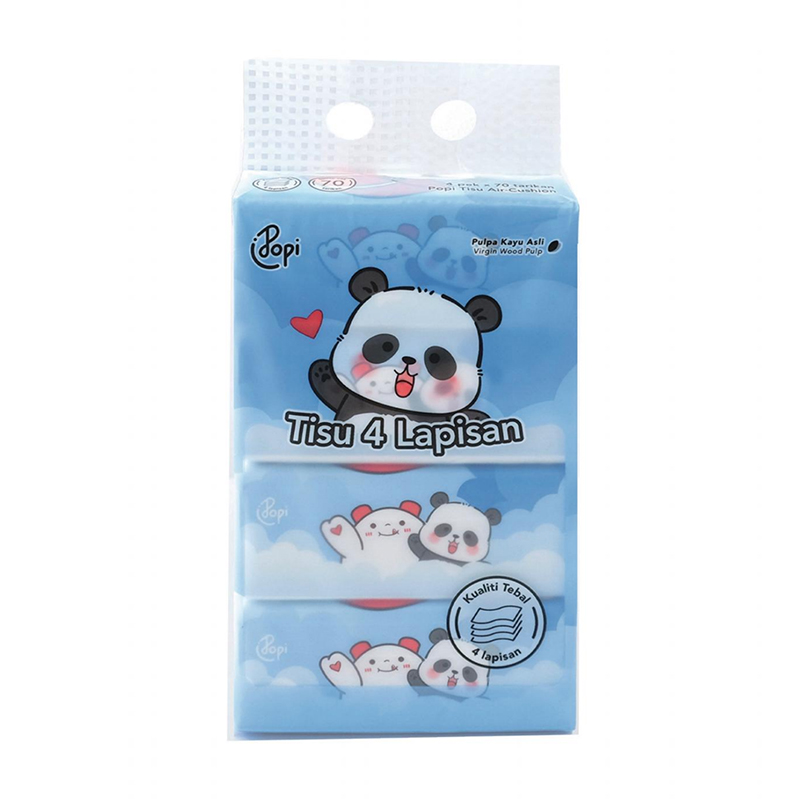
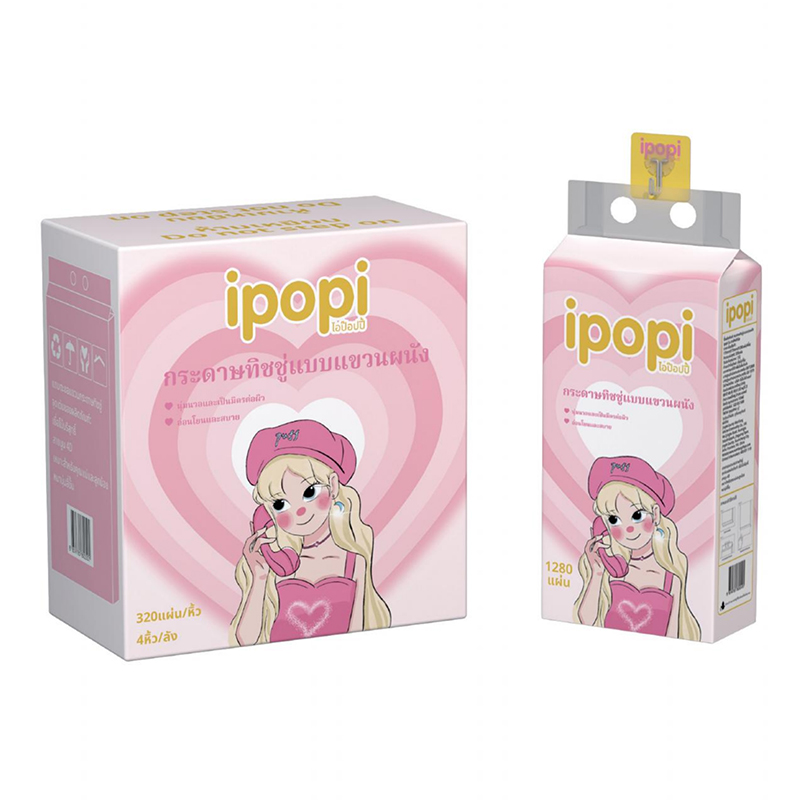
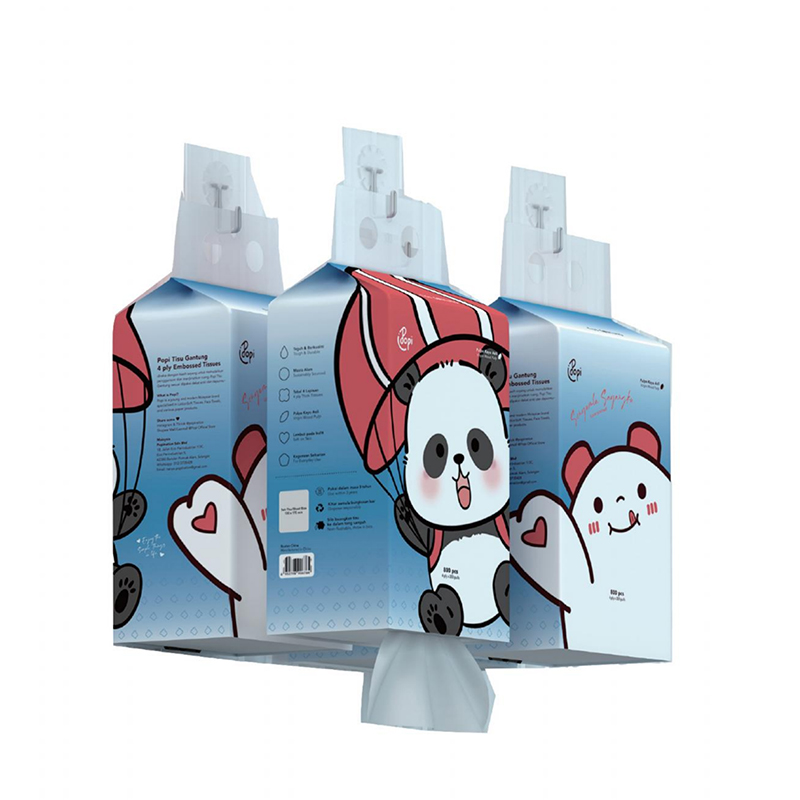
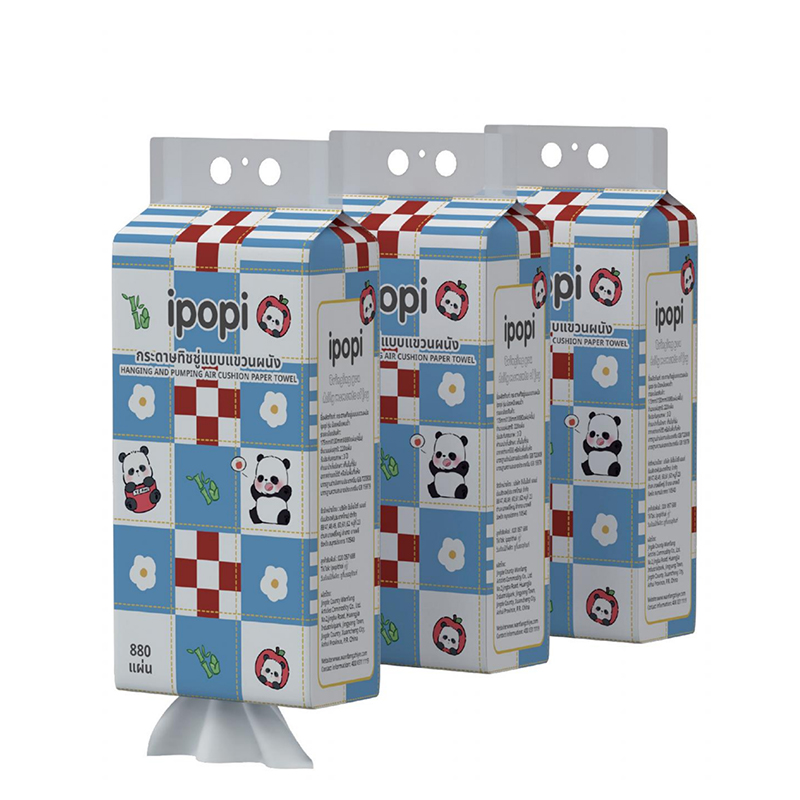
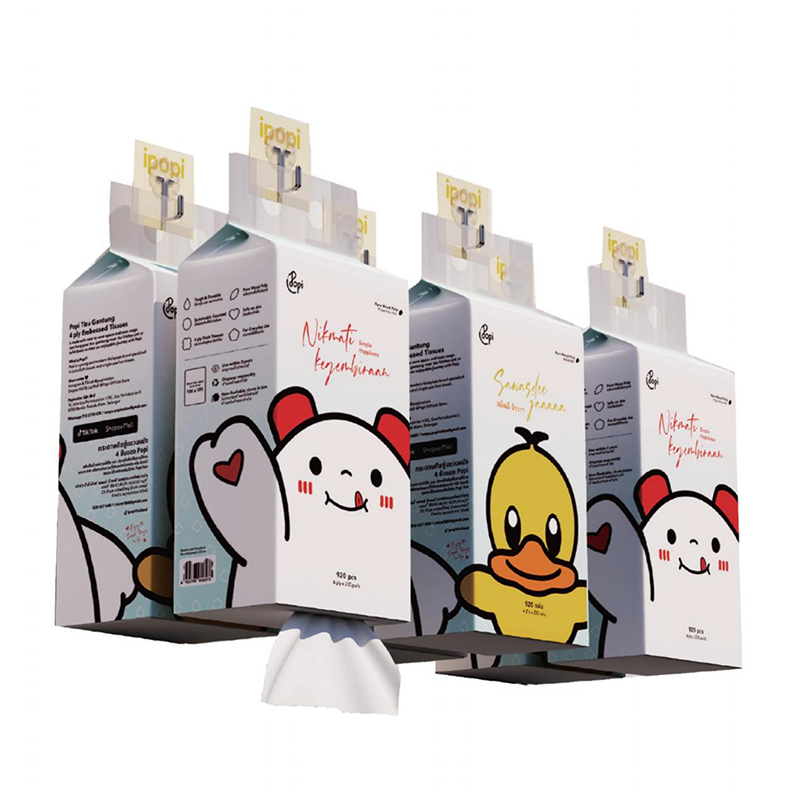
Hanging tissue serves bathroom and compact living space contexts. The top-header hanging design allows wall or hook mounting, freeing counter space. This format is particularly relevant in smaller urban apartments and hospitality settings where counter real estate is limited. Sheet counts of 200–320 per pack reduce replacement frequency, an important convenience factor in bathroom use.
For buyers evaluating tissue paper formats for new market entry, reviewing the format share of existing category bestsellers in the target market provides the most reliable signal of consumer preference — more reliable than extrapolating from home market behavior, which can differ substantially across retail cultures.
Tissue manufacturing is often assumed to be a commodity process, but production environment quality has measurable consequences for finished product consistency and hygiene — particularly for products that contact facial skin directly. Two aspects of the manufacturing environment are worth examining during supplier qualification.
Airborne particulate control during converting and packaging affects the cleanliness of the finished product. A 100,000-level (ISO Class 8) clean production workshop limits the concentration of airborne particles in the manufacturing environment, reducing the risk of contamination during the cutting, folding, and packing stages where the tissue substrate is most exposed. For facial tissue and soft tissue positioned for sensitive or infant skin use, this is a meaningful quality assurance layer that supports on-label hygiene claims.
Process consistency across production runs determines whether a private label buyer receives product that matches the approved sample throughout the supply relationship. Key in-process controls include gsm monitoring (to confirm pulp weight is within specification), moisture content measurement (which affects sheet feel and shelf life), and packaging seal integrity checks (which prevent sheet drying in soft-pack formats before the consumer opens the product).
Wanfang Paper's manufacturing operations span both China and Bangkok, Thailand — a structure that gives buyers options on country-of-origin designation and production capacity allocation. The company's commitment to zero-carbon factory operations by 2025 is an increasingly relevant supply chain attribute for buyers whose retail customers require Scope 3 emissions documentation as part of own-brand sustainability reporting. For tissue sourcing programs where both product quality and supply chain transparency are purchasing criteria, verifying these factory-level commitments during onboarding reduces compliance risk downstream.



 English
 日本語
日本語 русский
 Español
 عربى
عربى

