
Our team is proud to offer on time guarantee and product guarantee to customer satisfaction.
Read More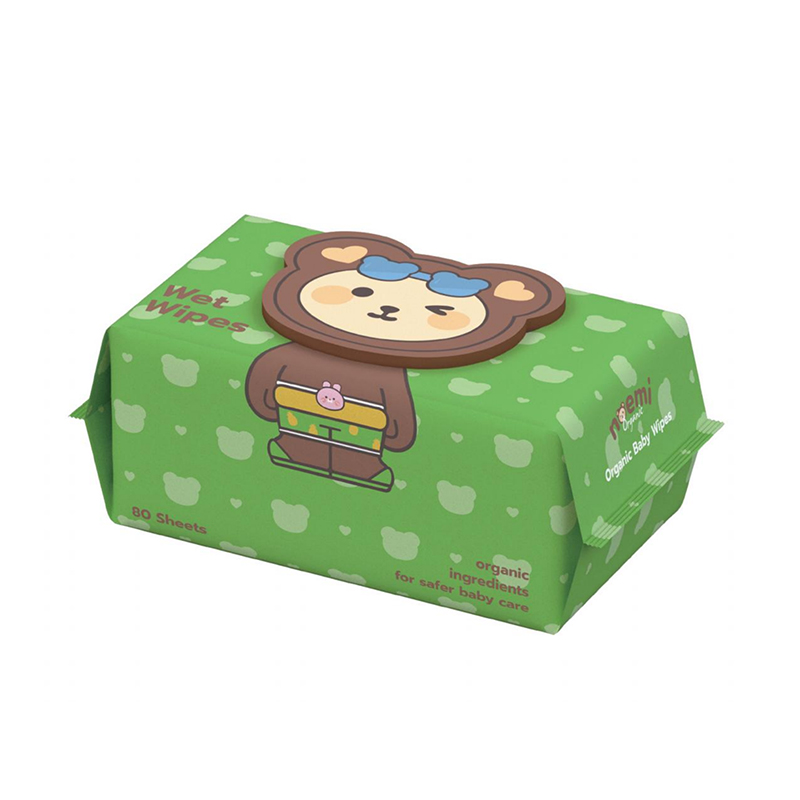
Squeeze a sheet of bathroom tissue between two fingers and you are holding a paper that weighs 12 to 20 grams per square meter, roughly one fifth th...
View MoreKitchen paper either holds together when it meets a puddle of cooking oil or it collapses into wet pulp in your hand, and that outcome is settled at...
View MoreEvery morning, millions of people wet a cotton cloth, scrub their face, and hang it back in the bathroom. The problem is that this routine leaves oi...
View MoreWhen a purchasing manager opens a tissue paper specification sheet, the category rarely appears as a single item. The form breaks it into facial tis...
View MoreThe substrate of a wet wipe is the single biggest factor in how it performs. Most wipes on the market today are made from one of three base materials: spunlace nonwoven fabric (a blend of viscose and polyester), 100% polyester, or plant-derived dissolvable pulp. Each has a distinct profile.
Viscose/polyester blends (typically 30/70 or 20/80) are the industry standard for general-purpose and disinfectant wipes. Viscose adds softness and absorbency; polyester adds tensile strength and prevents tearing during use. A 30/70 blend favors softness, while a 20/80 blend favors durability — the right balance depends on the intended application.
100% polyester substrates are used in products where lint-free performance and consistency matter more than absorbency, such as certain skincare wipes and pure water formats for infant care.
Dissolvable wood pulp is the material behind flushable wipes. Unlike standard nonwovens, wood pulp breaks down in water within minutes under standard drain conditions. For Baby Cleaning Sanitary Wet Wipes intended for toilet disposal, dissolvable pulp is the only substrate that can legitimately carry a flushable claim.
The lotion formula — water, preservative system, skin-conditioning agents — is added after the substrate is cut and folded. For infant wipes, the formulation is typically closer to pure water with minimal additives, which is why gsm weight and substrate softness matter even more when active ingredients are intentionally kept low.
Sheet count is one of the most misread specs in wet wipe procurement. A higher sheet count does not automatically mean better value — the relationship between sheet size, gsm weight, and lotion loading determines the real cost-per-use.
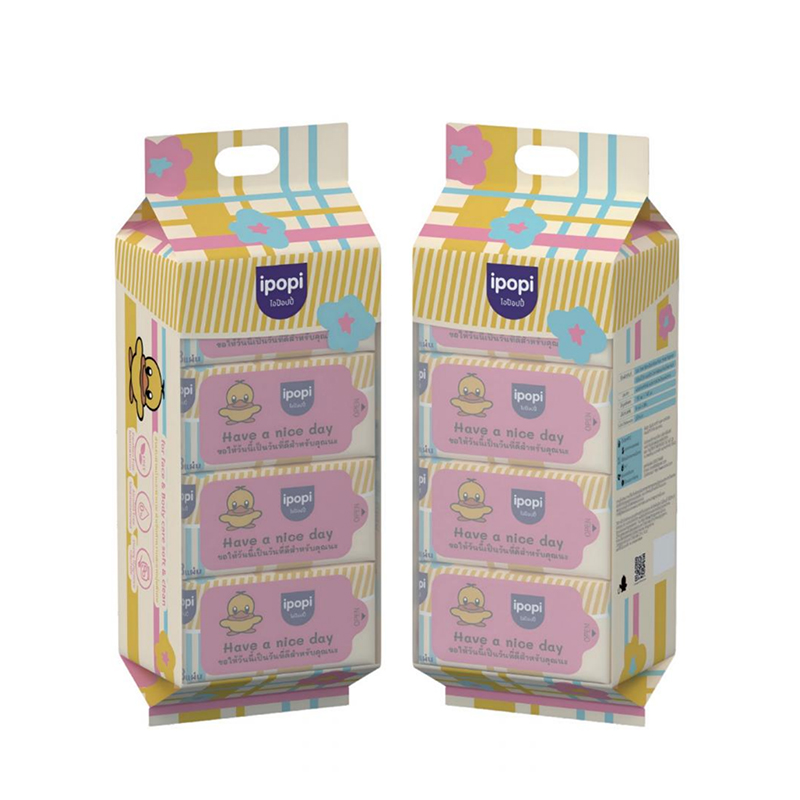
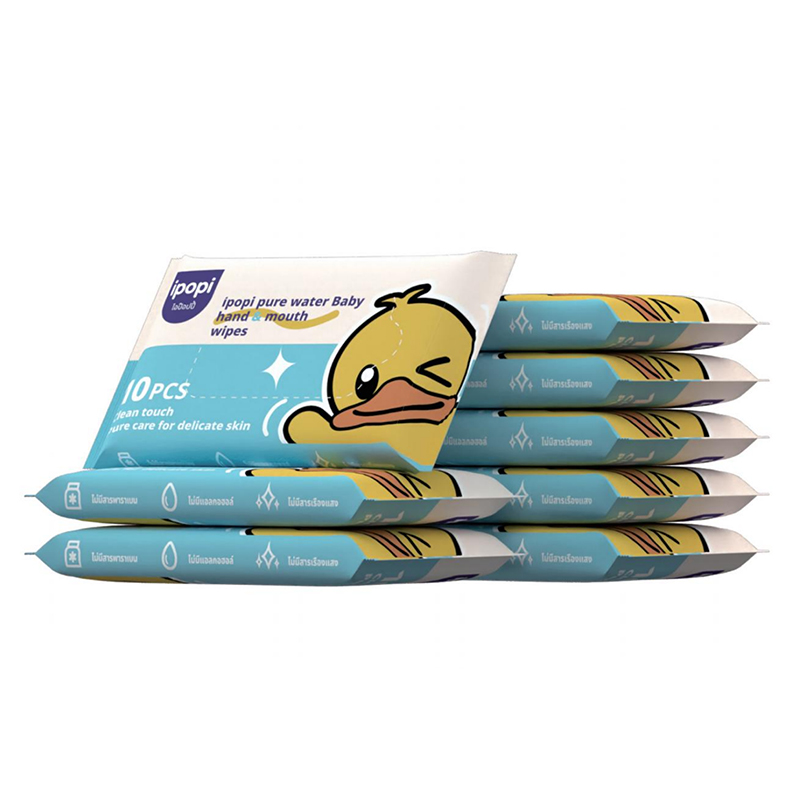
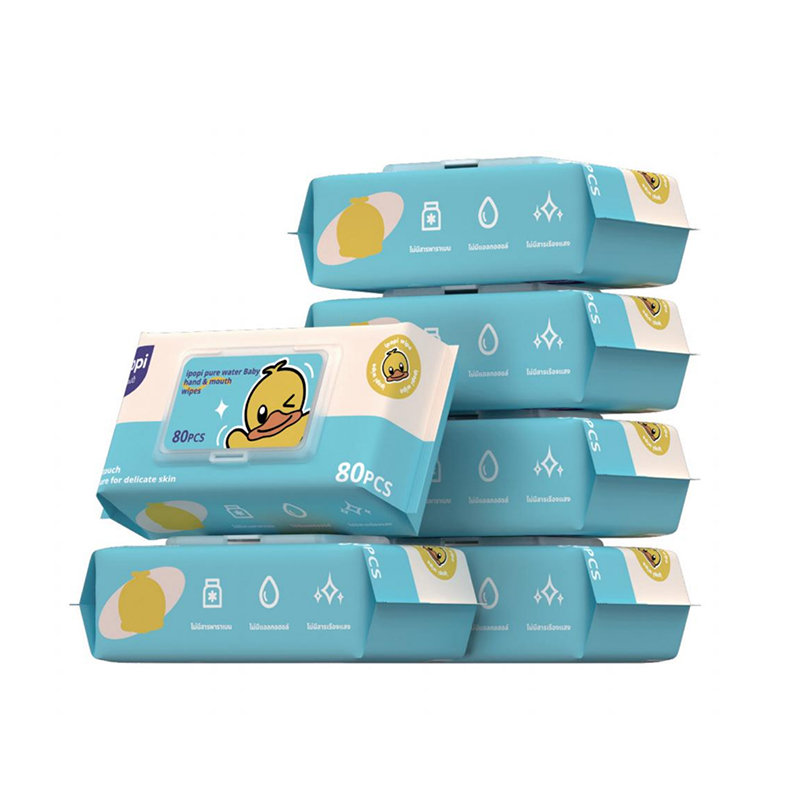
For baby and personal hygiene applications, pack formats broadly fall into three categories:
For B2B buyers sourcing Wet Wipes at volume, carton efficiency is worth examining alongside unit specs. A pack that appears cheaper per unit may load fewer cartons per 40HQ container, increasing per-unit freight costs in practice.
The line between a skincare wipe and a disinfectant wipe is a regulatory boundary, not just a marketing one. In most markets, a wipe that claims to kill bacteria or viruses is classified as a biocidal product or antiseptic, subject to different registration requirements than a cosmetic or personal care product.
Disinfectant wipes typically contain an active biocidal agent — commonly benzalkonium chloride (BAC), alcohol (70% ethanol), or hypochlorous acid. These are effective against a broad spectrum of pathogens, but they are not appropriate for repeated contact with infant skin. The EU Biocidal Products Regulation (BPR) and the U.S. EPA both require product registration before a disinfectant claim can be made on label.
Pure water wipes take the opposite approach: the formulation is intentionally minimal, relying on mechanical removal rather than chemical action. The substrate is typically 100% polyester or a high-polyester blend, and the lotion is purified water with a simple preservative system — or, in some premium formats, no preservative at all (sealed packaging maintains shelf life). Jingde County Wanfang Articles Commodity Co., Ltd. supplies pure water wipes specifically for the infant and sensitive-skin segment, where formulation simplicity is a core purchasing criterion.
For buyers sourcing across both categories, it is worth confirming which regulatory framework applies in each target market before committing to label copy, since claims that are standard in one country (e.g., "antibacterial") may require registration documentation in another.
Wet wipes have faced increasing scrutiny over their environmental footprint, driven primarily by two issues: nonwoven substrates that do not biodegrade in standard timeframes, and the contribution of non-flushable wipes to sewer blockages. For sourcing teams under ESG pressure, both issues have practical sourcing responses.
On the substrate side, dissolvable wood pulp and plant-fiber nonwovens (lyocell, bamboo viscose) offer improved end-of-life profiles compared to synthetic polyester. However, these materials typically carry higher raw material costs and may require different processing conditions. Buyers should request test data confirming dispersibility (e.g., INDA/EDANA flushability guidelines) rather than relying on label claims alone.
On the manufacturing side, factory-level commitments are increasingly part of supplier qualification criteria in regulated markets. With operations in both China and Thailand, Wanfang Paper has committed to achieving zero-carbon factory status by 2025 — a supply chain characteristic that is directly relevant to buyers whose own sustainability reporting extends to Scope 3 emissions.
Packaging reduction is a third lever often overlooked in wipe sourcing. Switching from individual poly-wrapped packs to multi-pack retail formats, or from rigid tubs to flexible pouches, can meaningfully reduce the packaging weight per unit shipped — which compounds across large order volumes. This is worth discussing with suppliers during product development, particularly when developing private-label ranges for sustainability-focused retail channels.



 English
 日本語
日本語 русский
 Español
 عربى
عربى

