
Our team is proud to offer on time guarantee and product guarantee to customer satisfaction.
Read More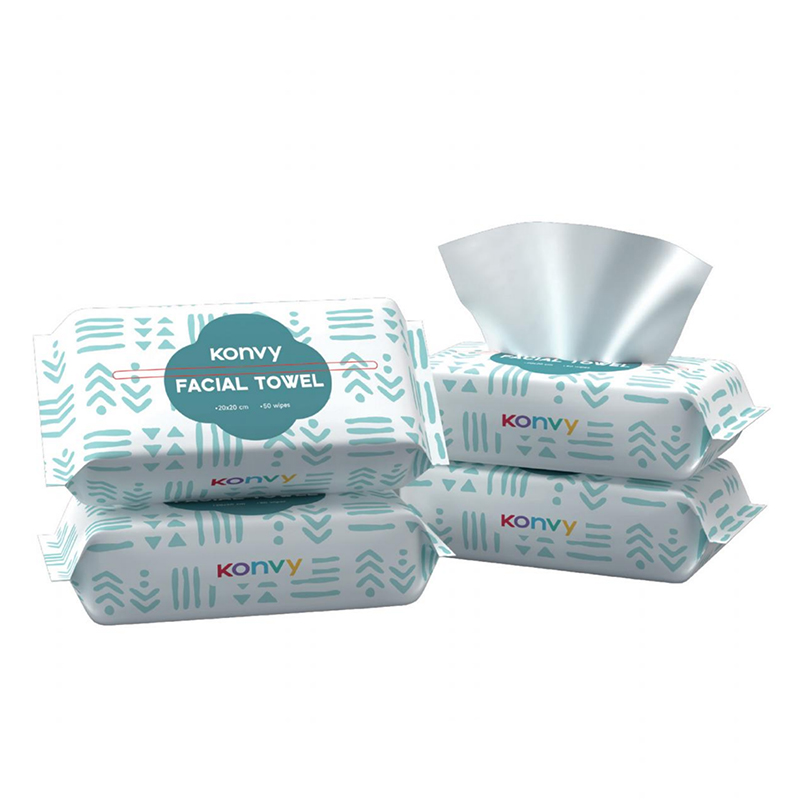
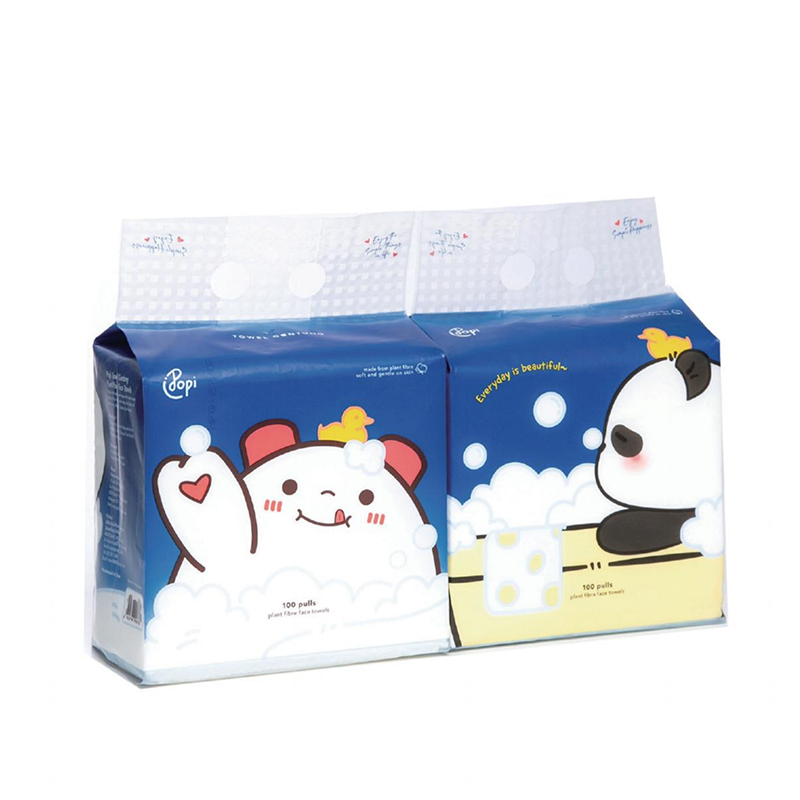
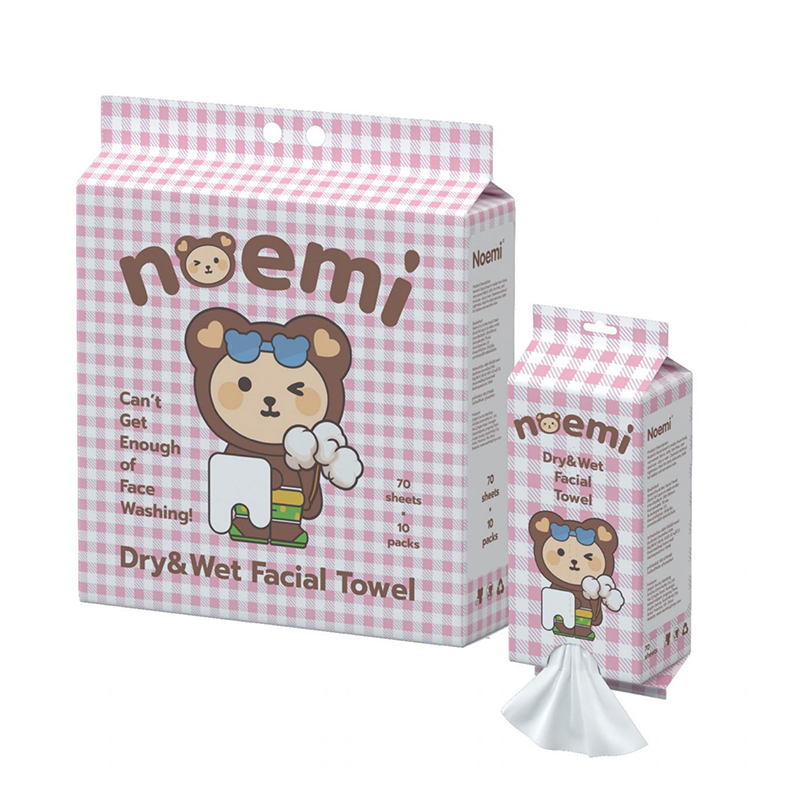
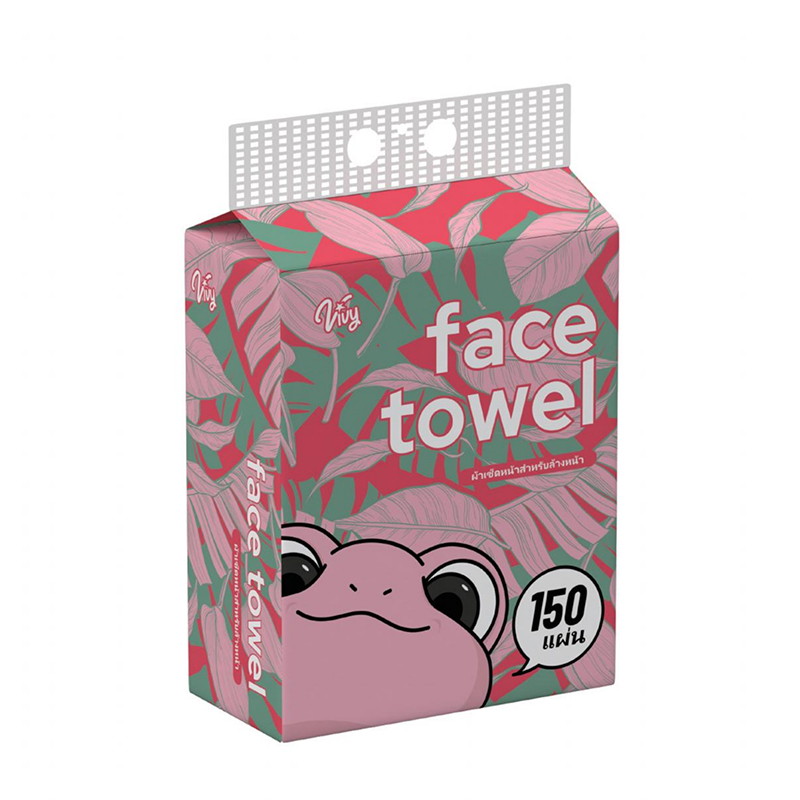
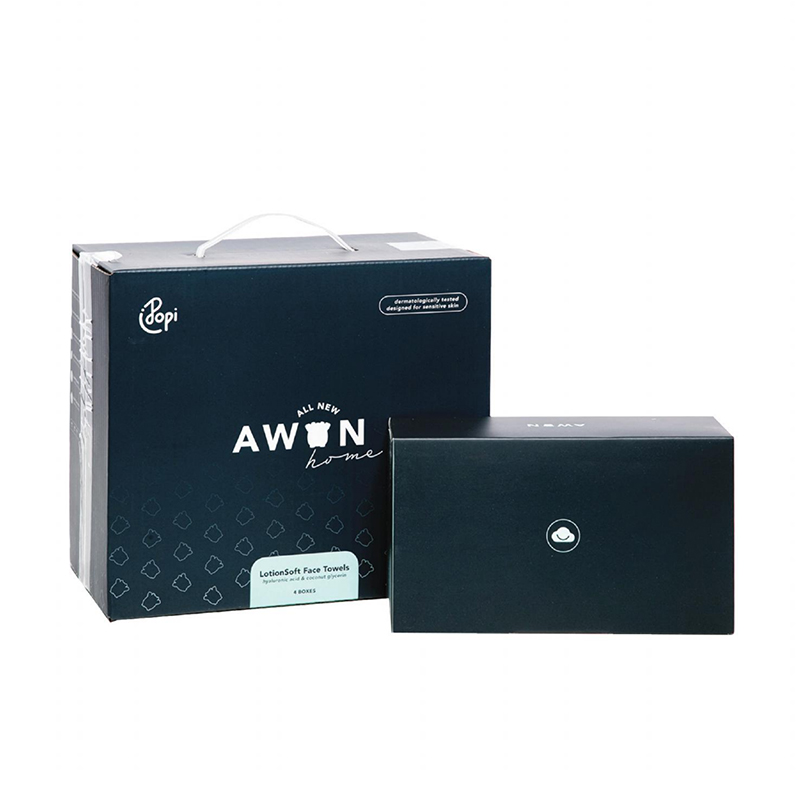
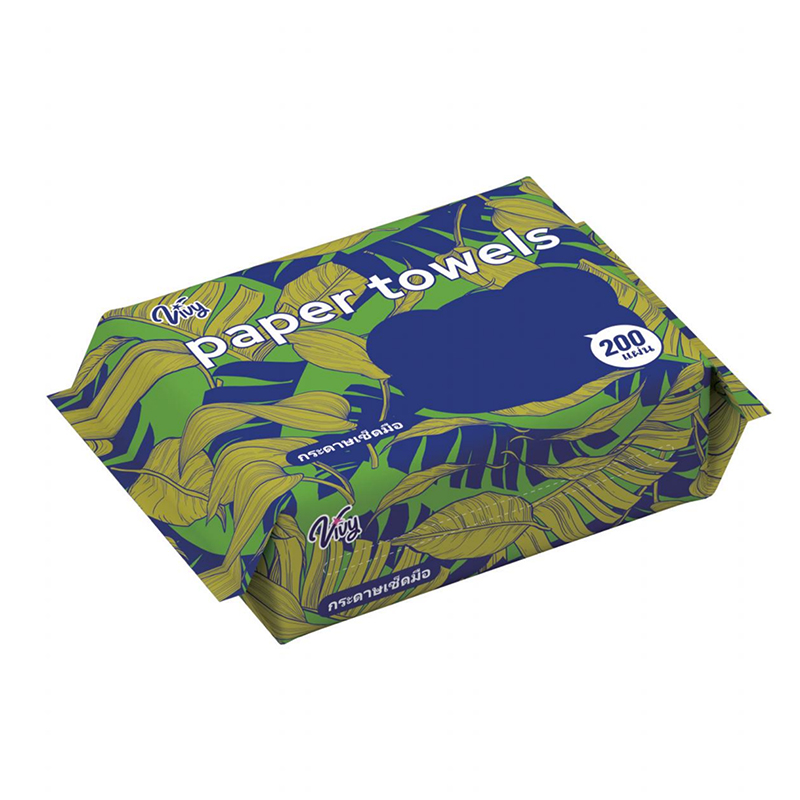
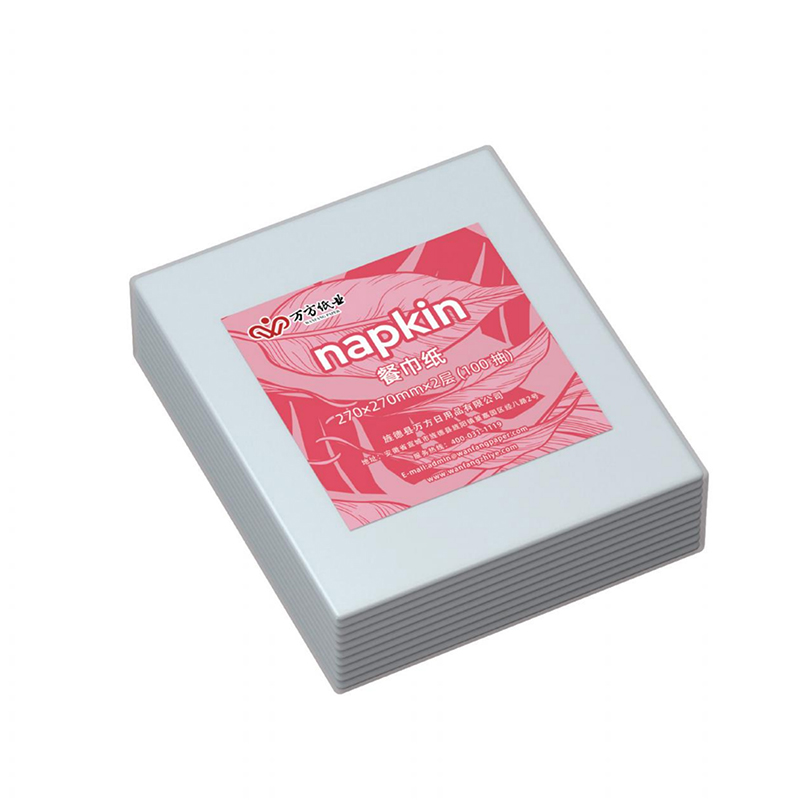
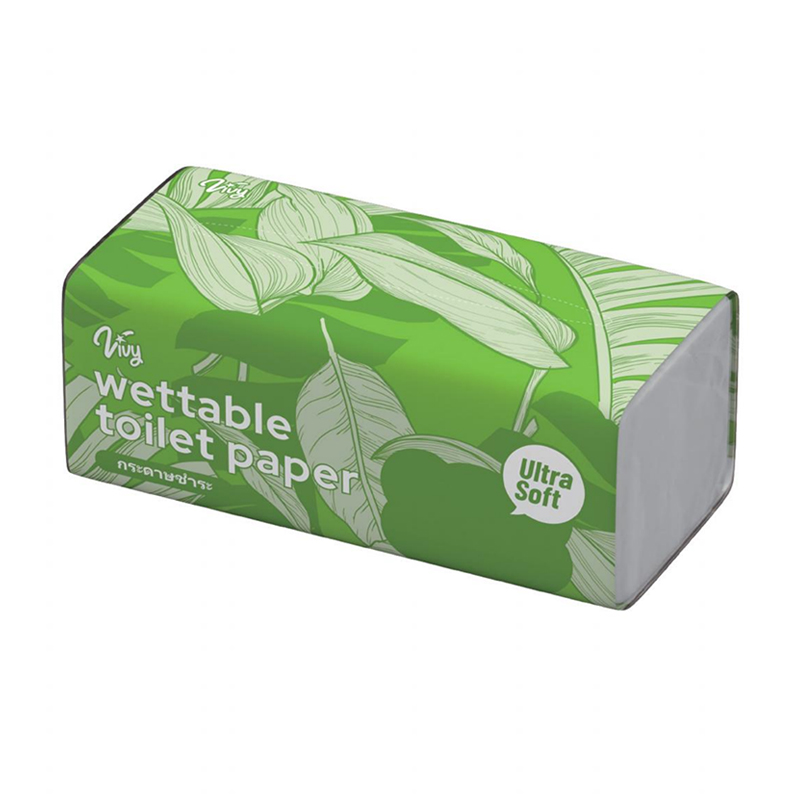
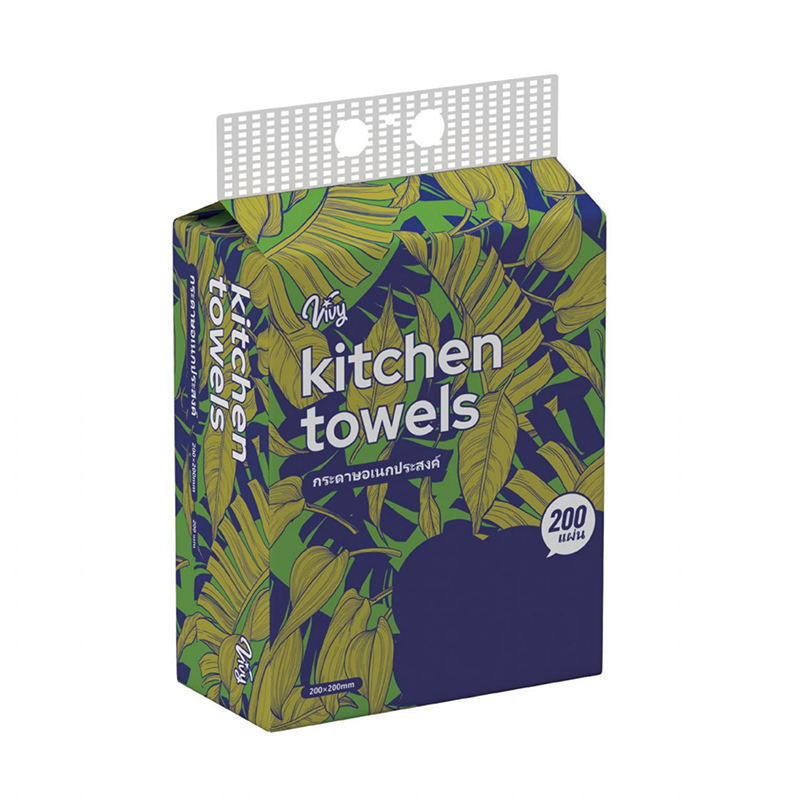
Squeeze a sheet of bathroom tissue between two fingers and you are holding a paper that weighs 12 to 20 grams per square meter, roughly one fifth th...
View MoreKitchen paper either holds together when it meets a puddle of cooking oil or it collapses into wet pulp in your hand, and that outcome is settled at...
View MoreEvery morning, millions of people wet a cotton cloth, scrub their face, and hang it back in the bathroom. The problem is that this routine leaves oi...
View MoreWhen a purchasing manager opens a tissue paper specification sheet, the category rarely appears as a single item. The form breaks it into facial tis...
View MorePrivate label in the paper tissue category is not simply a matter of putting a retailer's name on a manufacturer's existing product. A genuine private label program typically involves a defined specification — substrate gsm, ply count, sheet dimensions, lotion formulation where applicable — that the brand owner controls and the manufacturer produces to order. The distinction matters because it determines who owns the product identity and, ultimately, who captures the margin.
In practice, private label tissue programs operate along a spectrum. At one end, a buyer selects from a manufacturer's existing SKU catalogue and applies custom packaging — this is the most common entry point, with low minimum order quantities and fast time-to-market. At the other end, a buyer develops a fully custom specification: unique sheet size, proprietary blend of virgin and recycled pulp, exclusive fragrance or lotion formulation, and packaging designed from scratch. The second model requires deeper technical collaboration with the factory but produces a product that cannot be easily replicated by competitors sourcing from the same supplier.
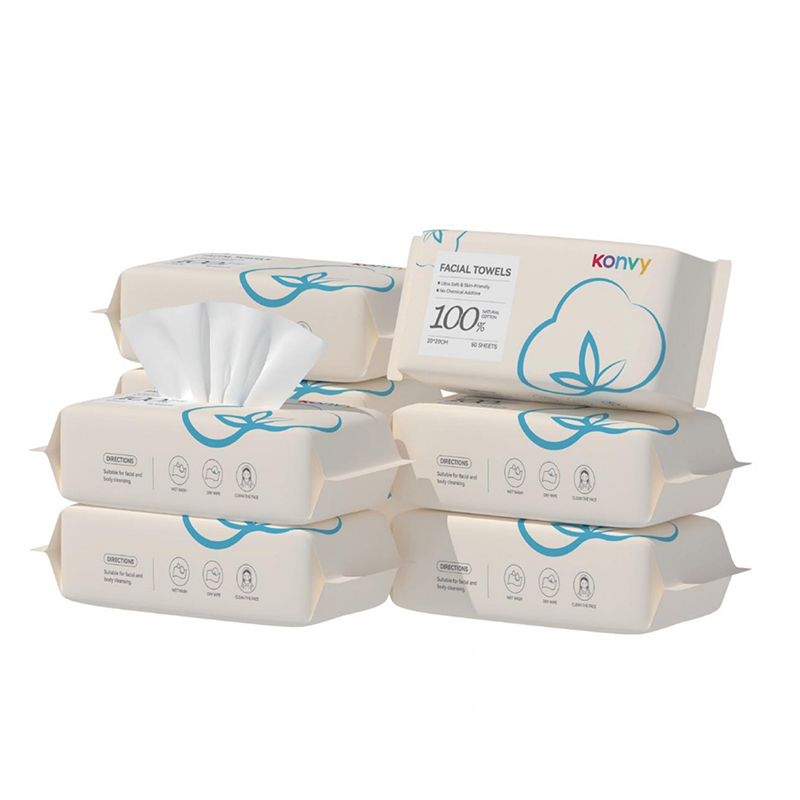
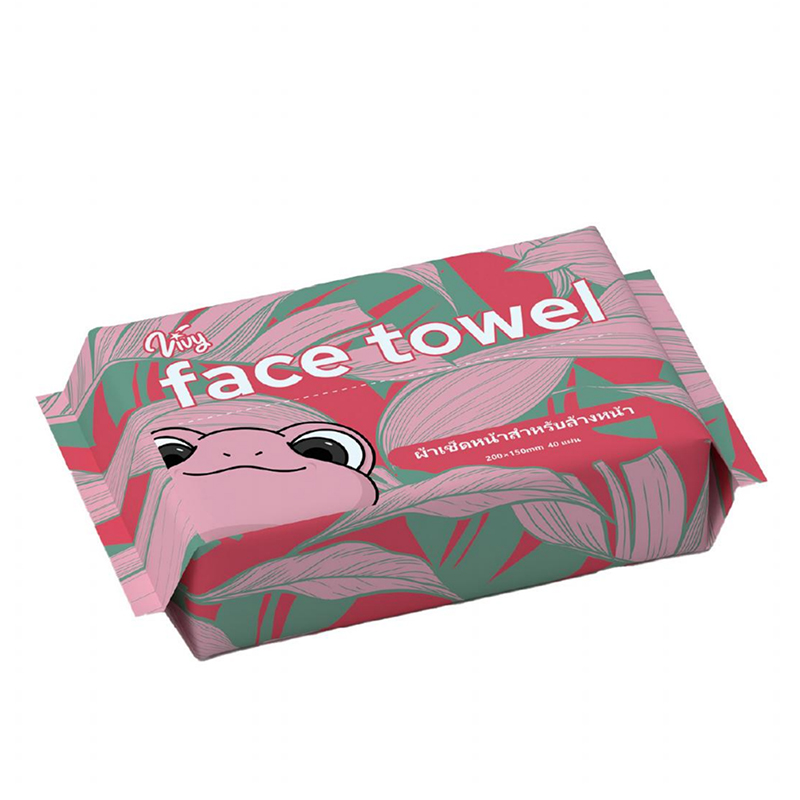
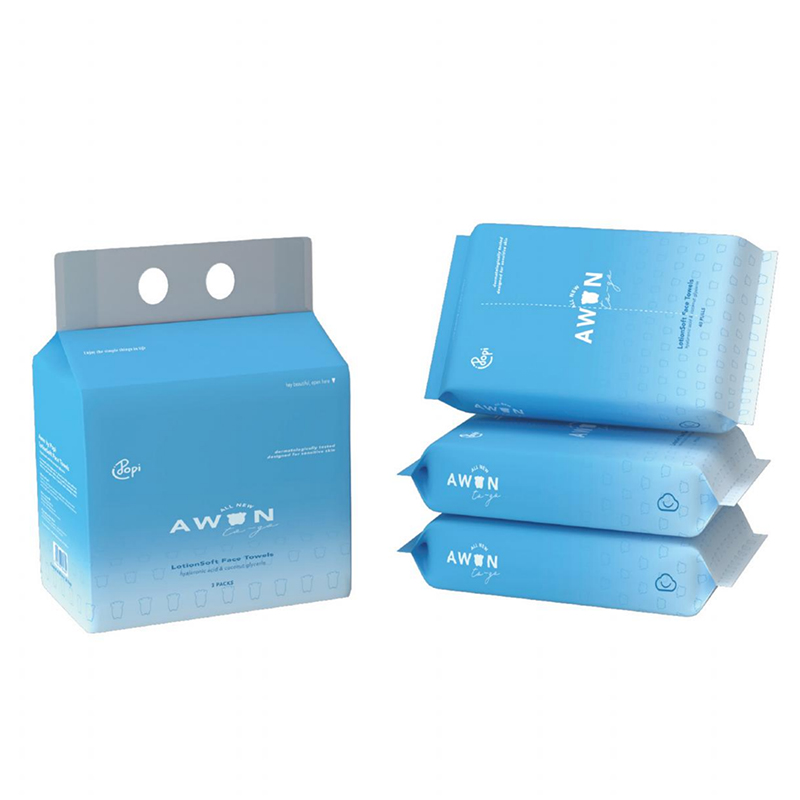
For retail buyers, the core advantage of Private Label Disposable Paper Tissue Towels is margin control. Branded tissue products carry significant marketing overhead; private label removes that cost layer entirely. In markets like Thailand — where Jingde County Wanfang Articles Commodity Co., Ltd. has established distribution across major department stores and supermarkets — private label tissue has proven competitive against national brands on both price and shelf placement.
Vague briefs produce vague quotes. Before entering negotiations with a tissue manufacturer, a private label buyer should be able to specify the following parameters clearly:
Having these parameters defined before the first factory conversation compresses the sampling cycle significantly and reduces the risk of receiving samples that miss the intended price tier entirely.
In tissue manufacturing, cleanroom or controlled-environment production is not universal — it is a differentiator. For products in direct contact with skin, particularly facial tissues and baby wipes, the microbial quality of the production environment affects finished product safety. A 100,000-level (ISO Class 8) clean workshop limits airborne particulate counts during production, which is a meaningful quality assurance layer for sensitive-skin and infant-targeted SKUs.
Beyond the production environment, buyers evaluating factories for private label programs should examine:
Wanfang Paper's dual-factory structure — with manufacturing in both China and Bangkok, Thailand — also gives private label buyers flexibility in country-of-origin designation, which can have practical implications for tariff classification in certain destination markets.
Sustainability claims on tissue products have become standard retail positioning — but the claims that hold up to scrutiny are narrower than marketing language often implies. For private label buyers building a sustainability narrative, it is worth distinguishing between claims that are directly verifiable and those that are aspirational.
Verifiable at the product level: Recycled fiber content (confirmed by mill certificates), FSC or PEFC certification on virgin pulp, dissolvable/flushable substrate (confirmed by standardized dispersibility testing), and reduced packaging weight per unit.
Verifiable at the factory level: Renewable energy use, wastewater treatment compliance, and carbon accounting. Factory-level commitments — such as a roadmap toward zero-carbon operations — are increasingly evaluated by retail sustainability teams as part of supplier qualification for own-brand programs.
For retail buyers sourcing Private Label Disposable Paper Tissue Towels for environmentally conscious markets, aligning with a manufacturer that has documented sustainability targets provides stronger on-shelf claim substantiation than relying solely on product-level attributes. It also reduces the risk of greenwashing exposure as retail sustainability disclosure standards continue to tighten in the EU and other major markets.



 English
 日本語
日本語 русский
 Español
 عربى
عربى

